THE ADVENTURE COLLECTIVE® · Independent discovery and booking for outdoor travel

Visit Izamal’s yellow streets, tour the monumental pyramids of Chichén Itzá, swim in Cenote Xcajum and wander colonial Valladolid on a full-day trip from Mérida. This itinerary combines Maya archaeology, geology, and local culture into one practical, photo-ready day.
Visit Izamal’s yellow streets, tour the monumental pyramids of Chichén Itzá, swim in Cenote Xcajum and wander colonial Valladolid on a full-day trip from Mérida. This itinerary combines Maya archaeology, geology, and local culture into one practical, photo-ready day.
Morning light in the Yucatán slants across low limestone, turning the facades of Izamal a startling yellow as the van rolls out of Mérida. You step onto cobblestones, hear church bells and the distant hum of cicadas, then climb Kinich Kakmó for a town-wide view that reads like a map of layered history.
Verified experiences and guided adventures in the surrounding area.
Operated by Stap Travel Tours · Mérida, Yucatán
Morning light in the Yucatán slants across low limestone, turning the facades of Izamal a startling yellow as the van rolls out of Mérida. You step onto cobblestones, hear church bells and the distant hum of cicadas, then climb Kinich Kakmó for a town-wide view that reads like a map of layered history.
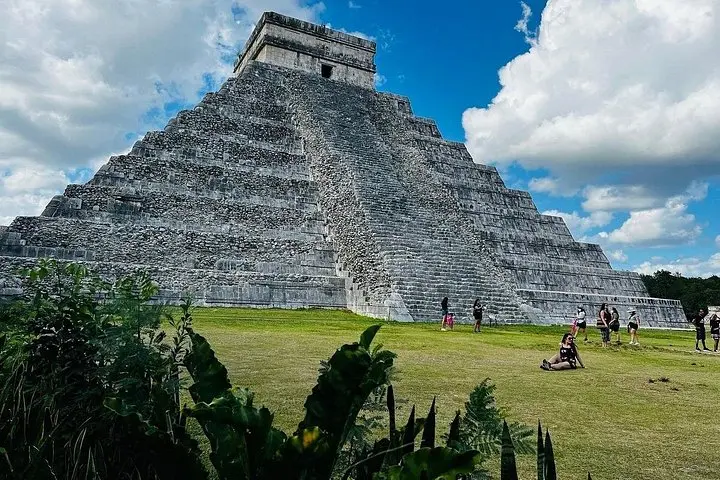
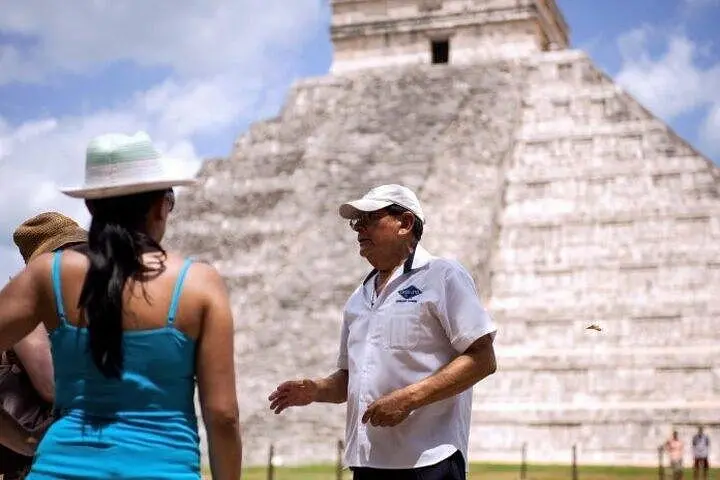
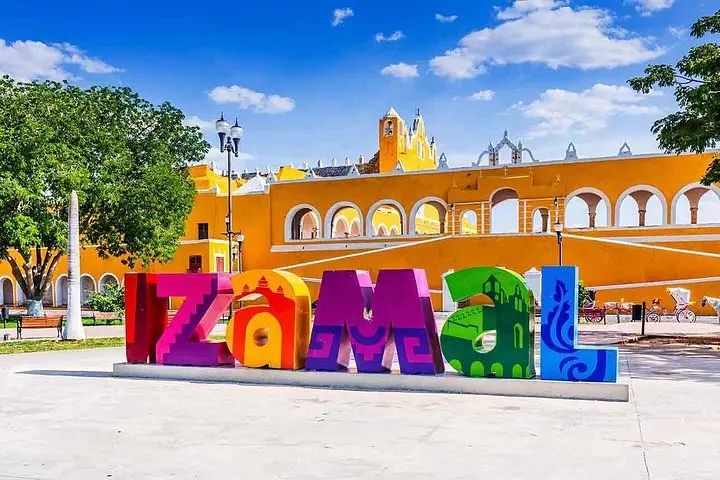
The day tightens into a clean rhythm: colonial convents and painted plazas in Izamal, the monumental geometry of Chichén Itzá, a cool swim in Cenote Xcajum, and a late-afternoon stroll through Valladolid’s central park. Chichén Itzá—built by the Maya between the Classic and Postclassic periods—is a lesson in astronomy and architecture; El Castillo’s shadow still marks equinoxes, while the ball court and Sacred Cenote speak to ritual, sport and sacrifice. Geologically, the route follows karst terrain: cenotes are sinkholes where groundwater intersects collapsed limestone—refreshing and fragile.
Culturally, this circuit threads Maya heritage with colonial overlays: convents erected atop pyramids, Spanish grids over pre-Columbian roads, and living traditions seen in crafts and food stalls.
Practical guidance: expect a long day (early departure, full return), bring cash for site fees and the cenote, and pack a swimsuit and a change of clothes. Wear sturdy walking shoes for uneven stone and shade up—sun and humidity build fast. If you want quieter photos, time at Chichén Itzá is best early; afternoons fill with tour groups. Respect signs at archaeological zones and cenotes—these places are archeological and ecological resources, not just photo backdrops.
No—entrance to Chichén Itzá and the cenote are paid on site (Chichén Itzá has separate domestic and foreign rates); bring cash to cover these.
This specific tour does not include hotel pickups—check the booking page for meeting point details and arrive early to board on time.
Yes—Cenote Xcajum provides stairs, life jackets, and changing facilities; an entrance fee applies and must be paid at the cenote.
The tour is family-friendly but involves walking, stairs and uneven surfaces; it’s not recommended for travelers with significant mobility or serious medical conditions.
Stap Travel Tours operates guided outdoor trips and adventures with an emphasis on safety, stewardship, and memorable experiences.
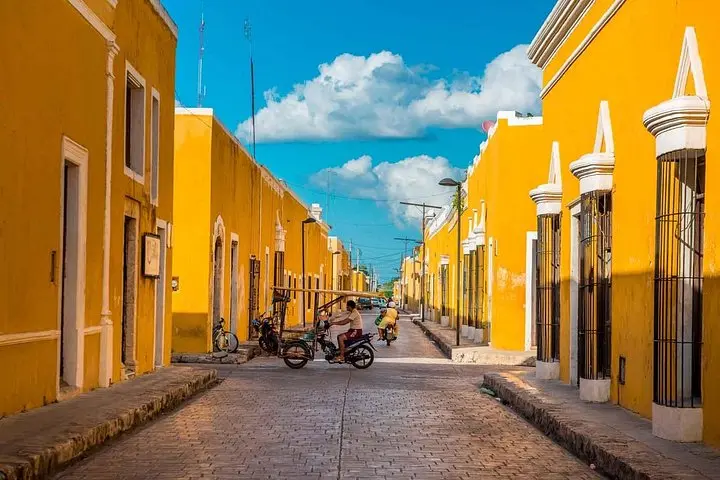
Morning light in the Yucatán slants across low limestone, turning the facades of Izamal a startling yellow as the van rolls out of Mérida. You step onto cobblestones, hear church bells and the distant hum of cicadas, then climb Kinich Kakmó for a town-wide view that reads like a map of layered history.
Morning light in the Yucatán slants across low limestone, turning the facades of Izamal a startling yellow as the van rolls out of Mérida. You step onto cobblestones, hear church bells and the distant hum of cicadas, then climb Kinich Kakmó for a town-wide view that reads like a map of layered history.
The day tightens into a clean rhythm: colonial convents and painted plazas in Izamal, the monumental geometry of Chichén Itzá, a cool swim in Cenote Xcajum, and a late-afternoon stroll through Valladolid’s central park. Chichén Itzá—built by the Maya between the Classic and Postclassic periods—is a lesson in astronomy and architecture; El Castillo’s shadow still marks equinoxes, while the ball court and Sacred Cenote speak to ritual, sport and sacrifice. Geologically, the route follows karst terrain: cenotes are sinkholes where groundwater intersects collapsed limestone—refreshing and fragile.
Culturally, this circuit threads Maya heritage with colonial overlays: convents erected atop pyramids, Spanish grids over pre-Columbian roads, and living traditions seen in crafts and food stalls.
Practical guidance: expect a long day (early departure, full return), bring cash for site fees and the cenote, and pack a swimsuit and a change of clothes. Wear sturdy walking shoes for uneven stone and shade up—sun and humidity build fast. If you want quieter photos, time at Chichén Itzá is best early; afternoons fill with tour groups. Respect signs at archaeological zones and cenotes—these places are archeological and ecological resources, not just photo backdrops.