THE ADVENTURE COLLECTIVE® · Independent discovery and booking for outdoor travel

A full-day excursion from Playa del Carmen that pairs an hour-long guided visit to Chichén Itzá with swims in two dramatic cenotes and time in colonial Valladolid. Expect long transit, cultural context, and clear guidance for swimming and exploring.
A full-day excursion from Playa del Carmen that pairs an hour-long guided visit to Chichén Itzá with swims in two dramatic cenotes and time in colonial Valladolid. Expect long transit, cultural context, and clear guidance for swimming and exploring.
Before dawn the coach eases out of Playa del Carmen and the highway opens up to flat, scrubby limestone and low, thorny forest. By midmorning the great pyramid of El Castillo rises from the plain—its stepped silhouette cutting a clean line against the Yucatán sky—and the guide’s voice folds history into the stones as you walk.
Verified experiences and guided adventures in the surrounding area.
Operated by Adventours Travel · Piste, Yucatán
Before dawn the coach eases out of Playa del Carmen and the highway opens up to flat, scrubby limestone and low, thorny forest. By midmorning the great pyramid of El Castillo rises from the plain—its stepped silhouette cutting a clean line against the Yucatán sky—and the guide’s voice folds history into the stones as you walk.
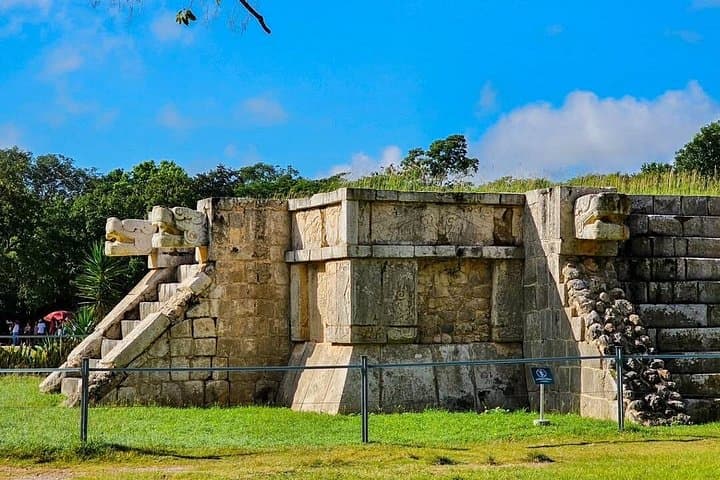
Chichén Itzá was a major Mayan and later Toltec center; its plazas, ballcourt and observatory reveal a culture fluent in astronomy and monumental planning. Geologically the region is a karst plateau: rain over millennia dissolved limestone to form underground caverns that collapse into cenotes—the freshwater sinkholes that punctuate the landscape.
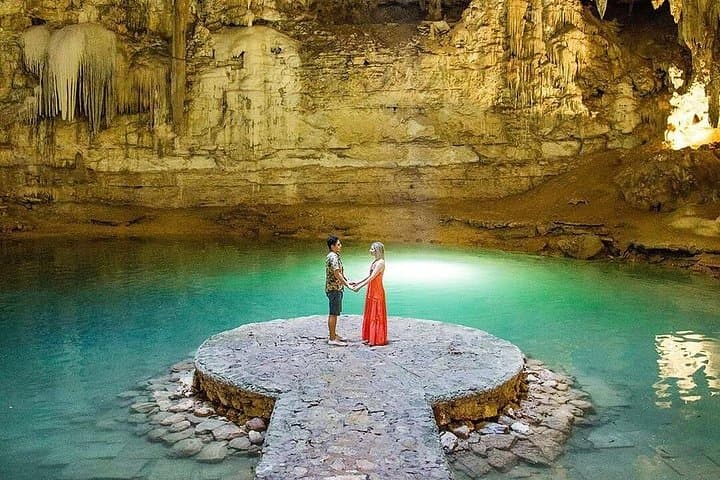
Suytún and Ik-Kil offer a counterpoint to dry stone: shafts of light, cool turquoise water, and a strict etiquette born of both ecology and local belief. Valladolid’s colonial streets add a human-scale finish, with pastel façades, local markets and Yucatecan flavors like cochinita pibil.
Practical edge: this is a long, guided day—expect 10–12 hours including transit. Bring a refillable water bottle, reef-safe sunscreen, comfortable shoes for uneven ground and a swimsuit for cenotes; life jackets are usually provided but towels and lockers can carry extra fees. Carry small pesos for entrance fees, tips and markets; modest clothing is advisable at archaeological sites. Aim for the earliest departures to beat heat and crowds, and respect posted rules at cenotes—avoid non‑biodegradable products in the water. With a bit of planning, this blend of archaeology, geology and swimming makes for a full, accessible Yucatán day that pairs storytelling with clear practicalities.
Many operators include transportation and guided commentary but not always admissions—confirm at booking; if not included, bring pesos for park and cenote fees.
Yes, swimming is allowed at Suytún and Ik-Kil; most tours provide lifejackets but towels and lockers may incur extra charges.
Pickup is typically from hotels in Playa del Carmen; expect about 2–3 hours each way depending on traffic, making this a 10–12 hour day.
The tour is rated easy physically, but it is long and includes stairs at Chichén Itzá; families and older guests should plan for a full day and moderate mobility.
Adventours Travel operates guided outdoor trips and adventures with an emphasis on safety, stewardship, and memorable experiences.
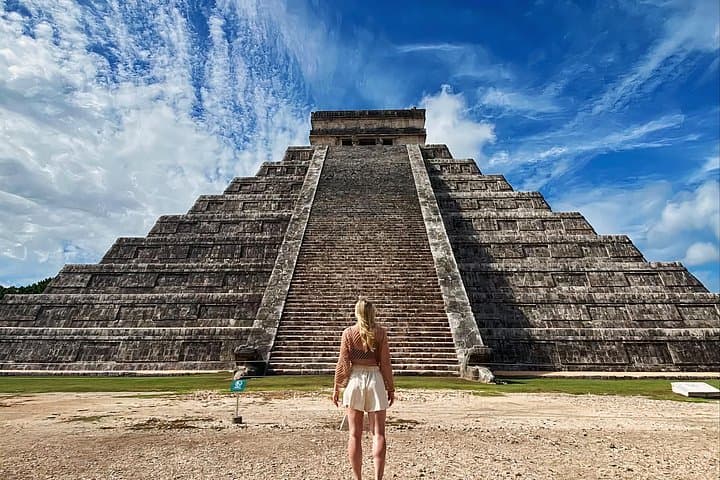

Before dawn the coach eases out of Playa del Carmen and the highway opens up to flat, scrubby limestone and low, thorny forest. By midmorning the great pyramid of El Castillo rises from the plain—its stepped silhouette cutting a clean line against the Yucatán sky—and the guide’s voice folds history into the stones as you walk.
Before dawn the coach eases out of Playa del Carmen and the highway opens up to flat, scrubby limestone and low, thorny forest. By midmorning the great pyramid of El Castillo rises from the plain—its stepped silhouette cutting a clean line against the Yucatán sky—and the guide’s voice folds history into the stones as you walk.
Chichén Itzá was a major Mayan and later Toltec center; its plazas, ballcourt and observatory reveal a culture fluent in astronomy and monumental planning. Geologically the region is a karst plateau: rain over millennia dissolved limestone to form underground caverns that collapse into cenotes—the freshwater sinkholes that punctuate the landscape.
Suytún and Ik-Kil offer a counterpoint to dry stone: shafts of light, cool turquoise water, and a strict etiquette born of both ecology and local belief. Valladolid’s colonial streets add a human-scale finish, with pastel façades, local markets and Yucatecan flavors like cochinita pibil.
Practical edge: this is a long, guided day—expect 10–12 hours including transit. Bring a refillable water bottle, reef-safe sunscreen, comfortable shoes for uneven ground and a swimsuit for cenotes; life jackets are usually provided but towels and lockers can carry extra fees. Carry small pesos for entrance fees, tips and markets; modest clothing is advisable at archaeological sites. Aim for the earliest departures to beat heat and crowds, and respect posted rules at cenotes—avoid non‑biodegradable products in the water. With a bit of planning, this blend of archaeology, geology and swimming makes for a full, accessible Yucatán day that pairs storytelling with clear practicalities.