THE ADVENTURE COLLECTIVE® · Independent discovery and booking for outdoor travel

Explore Chichén Itzá, swim in a crystalline cenote and wander the colonial streets of Valladolid on a full-day trip from Playa del Carmen. This tour pairs archaeological wonder with natural karst pools and a taste of Yucatecan culture.
Explore Chichén Itzá, swim in a crystalline cenote and wander the colonial streets of Valladolid on a full-day trip from Playa del Carmen. This tour pairs archaeological wonder with natural karst pools and a taste of Yucatecan culture.
A half-day begins to feel like a full journey as you board an air-conditioned vehicle in Playa del Carmen and trade beachfront palms for the low, scrubby karst of the Yucatán. By midmorning the silhouette of El Castillo cuts the horizon at Chichén Itzá; stone steps catch sunlight while wind and birds move through the plaza, and the pyramidal temple seems to count the day in shadows.
Verified experiences and guided adventures in the surrounding area.
Operated by NS Tours Mexico · Piste, Yucatan
A half-day begins to feel like a full journey as you board an air-conditioned vehicle in Playa del Carmen and trade beachfront palms for the low, scrubby karst of the Yucatán. By midmorning the silhouette of El Castillo cuts the horizon at Chichén Itzá; stone steps catch sunlight while wind and birds move through the plaza, and the pyramidal temple seems to count the day in shadows.
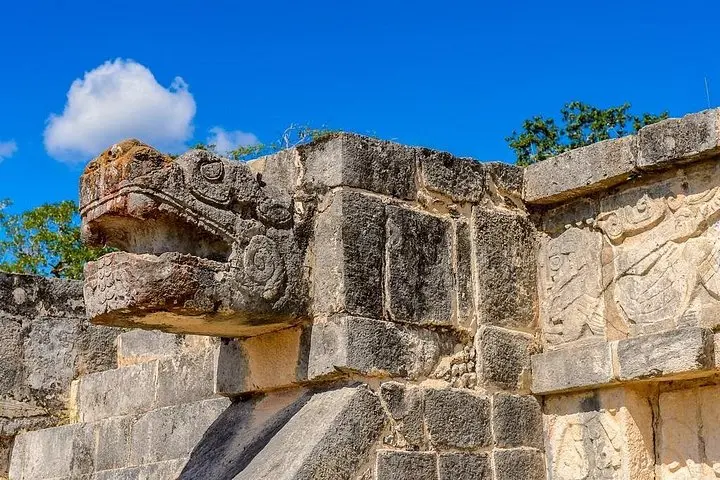
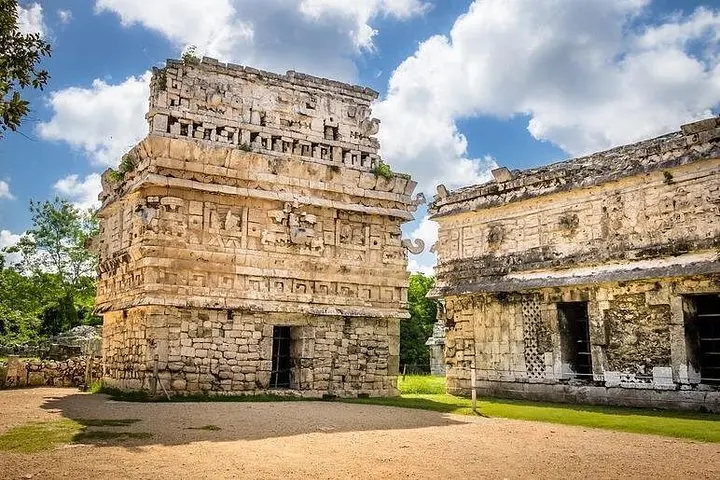
Chichén Itzá grew as a political and ceremonial center of the Classic to Postclassic Maya world. Its architecture encodes astronomy and ritual: the feathered serpent carving that slides down El Castillo during equinox light plays and the Great Ball Court that once echoed shouted challenges.
Geology shapes the visit. The Yucatán is limestone underlain by caves and sinkholes; the sacred cenote you visit is part of that karst system and offers cool, clear water that is both a refuge and a cultural site. After the ruins, the colonial town of Valladolid provides a quieter counterpoint—plaza life, the San Gervasio (San Servacio) church, and local Yucatecan cuisine at a buffet lunch.
Practical notes: expect a long day (about 12–13 hours total), moderate walking on uneven stone and packed-earth trails, and crowded peak-season conditions. Bring biodegradable sunscreen for cenote swimming, a quick-dry towel, sturdy closed-toe shoes for the archaeological zone, and cash for markets. Guides typically include transport, site and cenote entry, and lunch; confirm pickup points and accessibility when you book. Start early, hydrate well, and leave space in your camera roll for the unexpected — an iguana sunning on a wall or a sudden birdsong through the ruins.
Most operators include round-trip transport from Playa del Carmen, bilingual guide, Chichén Itzá and cenote entry, and a buffet lunch—verify the booking details for your date.
Expect moderate walking on uneven ground and stairs near monuments; access onto some structures is restricted, but viewing requires movement across the site.
Basic swimming ability is recommended; lifeguards are not guaranteed—follow staff guidance and avoid wearing sunscreen in the water unless it’s biodegradable and allowed.
Yes—children can join but tours are long; ensure they can handle several hours of travel, walking, and heat exposure.
NS Tours Mexico operates guided outdoor trips and adventures with an emphasis on safety, stewardship, and memorable experiences.
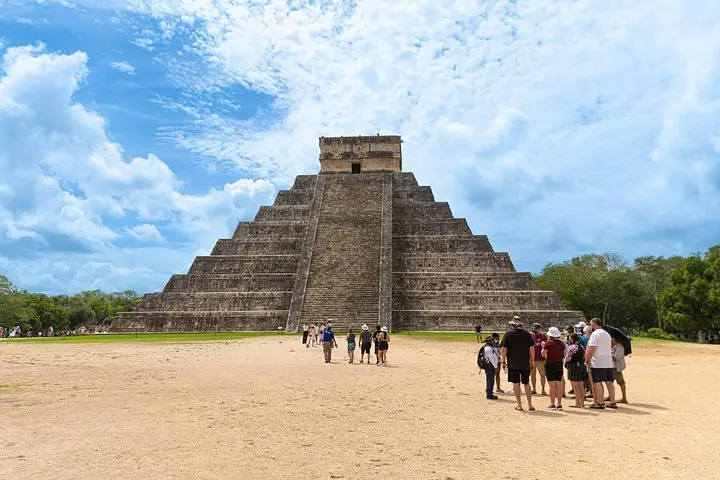
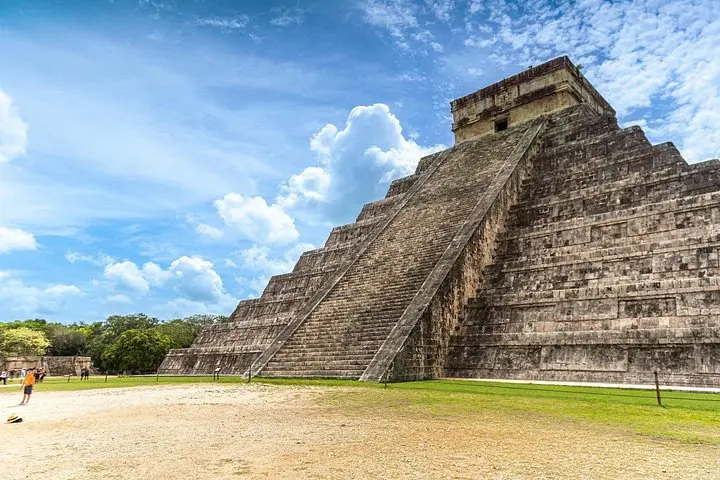
A half-day begins to feel like a full journey as you board an air-conditioned vehicle in Playa del Carmen and trade beachfront palms for the low, scrubby karst of the Yucatán. By midmorning the silhouette of El Castillo cuts the horizon at Chichén Itzá; stone steps catch sunlight while wind and birds move through the plaza, and the pyramidal temple seems to count the day in shadows.
A half-day begins to feel like a full journey as you board an air-conditioned vehicle in Playa del Carmen and trade beachfront palms for the low, scrubby karst of the Yucatán. By midmorning the silhouette of El Castillo cuts the horizon at Chichén Itzá; stone steps catch sunlight while wind and birds move through the plaza, and the pyramidal temple seems to count the day in shadows.
Chichén Itzá grew as a political and ceremonial center of the Classic to Postclassic Maya world. Its architecture encodes astronomy and ritual: the feathered serpent carving that slides down El Castillo during equinox light plays and the Great Ball Court that once echoed shouted challenges.
Geology shapes the visit. The Yucatán is limestone underlain by caves and sinkholes; the sacred cenote you visit is part of that karst system and offers cool, clear water that is both a refuge and a cultural site. After the ruins, the colonial town of Valladolid provides a quieter counterpoint—plaza life, the San Gervasio (San Servacio) church, and local Yucatecan cuisine at a buffet lunch.
Practical notes: expect a long day (about 12–13 hours total), moderate walking on uneven stone and packed-earth trails, and crowded peak-season conditions. Bring biodegradable sunscreen for cenote swimming, a quick-dry towel, sturdy closed-toe shoes for the archaeological zone, and cash for markets. Guides typically include transport, site and cenote entry, and lunch; confirm pickup points and accessibility when you book. Start early, hydrate well, and leave space in your camera roll for the unexpected — an iguana sunning on a wall or a sudden birdsong through the ruins.