THE ADVENTURE COLLECTIVE® · Independent discovery and booking for outdoor travel

Full-day van tour from Cancún to Chichén Itzá, a swim in a private hacienda cenote and a stop in colonial Valladolid. Expect long days, strong sun, and a mix of archaeology, geology and local flavors.
Full-day van tour from Cancún to Chichén Itzá, a swim in a private hacienda cenote and a stop in colonial Valladolid. Expect long days, strong sun, and a mix of archaeology, geology and local flavors.
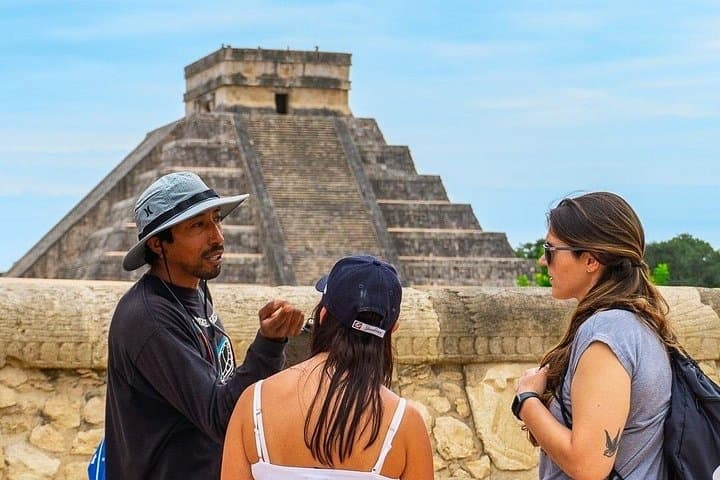
You step out of the air‑conditioned van onto a broad expanse of pale limestone and the Pyramid of Kukulkán rises like a geometric horizon—sunlight carving hard shadows into its tiers while a steady breeze moves through the plaza.
Verified experiences and guided adventures in the surrounding area.
Operated by Viajes Tours Maya · Piste, Yucatán
You step out of the air‑conditioned van onto a broad expanse of pale limestone and the Pyramid of Kukulkán rises like a geometric horizon—sunlight carving hard shadows into its tiers while a steady breeze moves through the plaza.
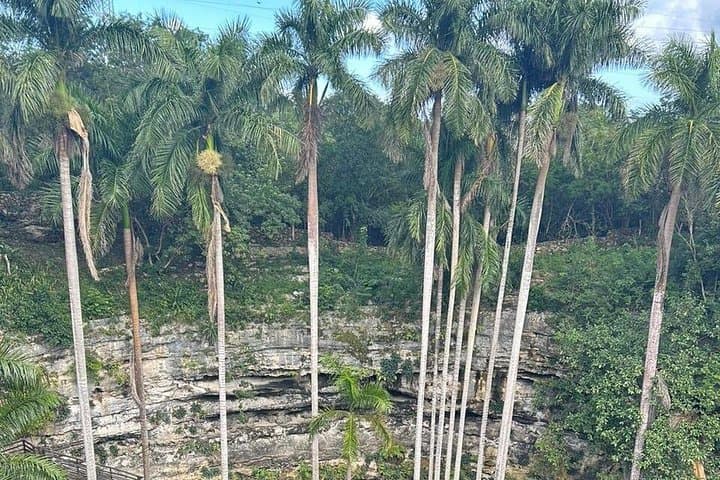
Chichén Itzá was a major Maya center between the Classic and Postclassic periods; the pyramid’s north stair aligns with the equinox shadow-serpent phenomenon and the Ball Court still holds the scale and silence of ancient contests. The surrounding plain is karst: porous limestone that drains toward underground rivers and creates the cenotes that sustain life here.
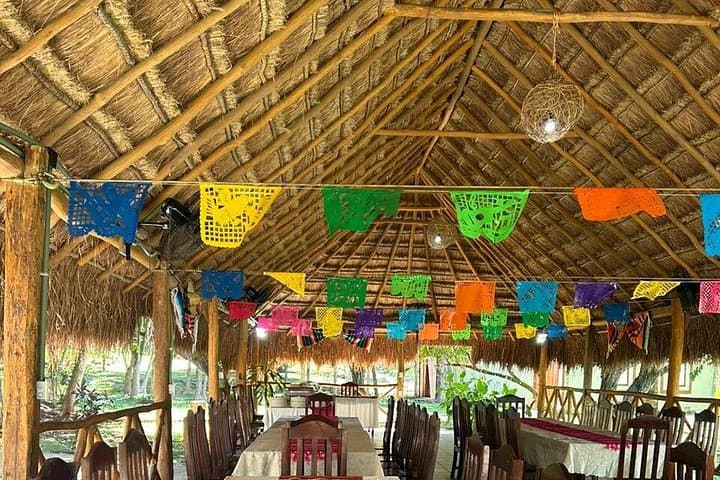
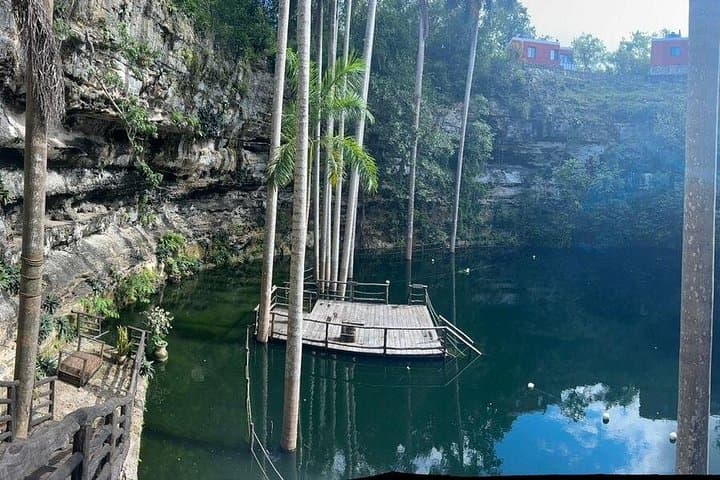
Later the tour slows to a different pace at a restored hacienda where agricultural history meets contemporary hospitality. A clear cenote opens like a cool well—water that has filtered through millennia of rock, now daring you to descend and swim. The final act is Valladolid, where colonial facades and market stalls keep local crafts and cuisine alive.
Practical guide: expect a long, mostly flat day with uneven stone at the ruins and slick rock around the cenote. Plan for 10–12 hours door‑to‑door, with 1–2 hours at Chichén Itzá, a couple hours at the hacienda and cenote, and a short stop in Valladolid. Bring sun protection, comfortable closed‑toe shoes for walking the ruins, swimwear and a towel for the cenote, and small cash for souvenirs or lockers. Respect archaeological rules—no climbing and no flash photography in restricted areas—and use biodegradable sunscreen in the cenote to reduce contamination.
Policies vary by operator; many tours include transportation and a guide but require separate archaeological zone admission—confirm with your booking.
Yes, the hacienda cenote stop generally allows swimming; bring swimwear and biodegradable sunscreen and check for locker/changing availability.
Families are common on this itinerary; infant seats and stroller access are often available, but the ruins have uneven ground and long walking stretches.
Access at the archaeological site is limited—paths and steps are uneven; the hacienda tends to be more accessible but check operator details for special assistance.
Viajes Tours Maya operates guided outdoor trips and adventures with an emphasis on safety, stewardship, and memorable experiences.
You step out of the air‑conditioned van onto a broad expanse of pale limestone and the Pyramid of Kukulkán rises like a geometric horizon—sunlight carving hard shadows into its tiers while a steady breeze moves through the plaza.
You step out of the air‑conditioned van onto a broad expanse of pale limestone and the Pyramid of Kukulkán rises like a geometric horizon—sunlight carving hard shadows into its tiers while a steady breeze moves through the plaza.
Chichén Itzá was a major Maya center between the Classic and Postclassic periods; the pyramid’s north stair aligns with the equinox shadow-serpent phenomenon and the Ball Court still holds the scale and silence of ancient contests. The surrounding plain is karst: porous limestone that drains toward underground rivers and creates the cenotes that sustain life here.
Later the tour slows to a different pace at a restored hacienda where agricultural history meets contemporary hospitality. A clear cenote opens like a cool well—water that has filtered through millennia of rock, now daring you to descend and swim. The final act is Valladolid, where colonial facades and market stalls keep local crafts and cuisine alive.
Practical guide: expect a long, mostly flat day with uneven stone at the ruins and slick rock around the cenote. Plan for 10–12 hours door‑to‑door, with 1–2 hours at Chichén Itzá, a couple hours at the hacienda and cenote, and a short stop in Valladolid. Bring sun protection, comfortable closed‑toe shoes for walking the ruins, swimwear and a towel for the cenote, and small cash for souvenirs or lockers. Respect archaeological rules—no climbing and no flash photography in restricted areas—and use biodegradable sunscreen in the cenote to reduce contamination.