THE ADVENTURE COLLECTIVE® · Independent discovery and booking for outdoor travel

Spend a full day exploring Chichén Itzá’s pyramids, swimming in a freshwater cenote, and wandering the colonial streets of Valladolid. This guided excursion mixes archaeology, geology and regional cuisine into a single practical, adventurous day.
Spend a full day exploring Chichén Itzá’s pyramids, swimming in a freshwater cenote, and wandering the colonial streets of Valladolid. This guided excursion mixes archaeology, geology and regional cuisine into a single practical, adventurous day.
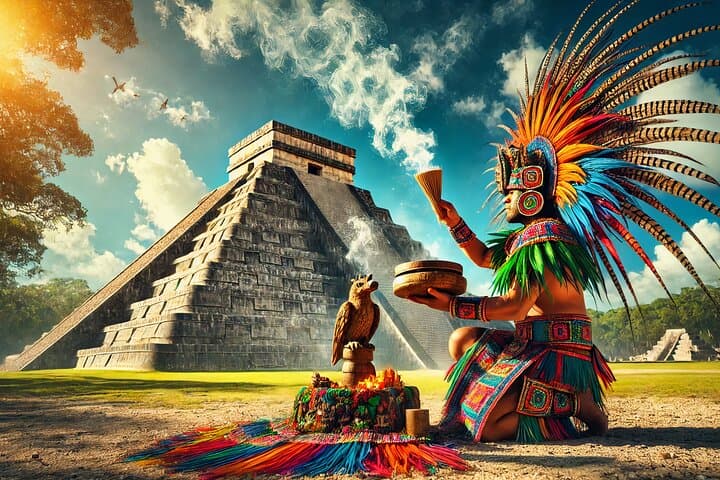
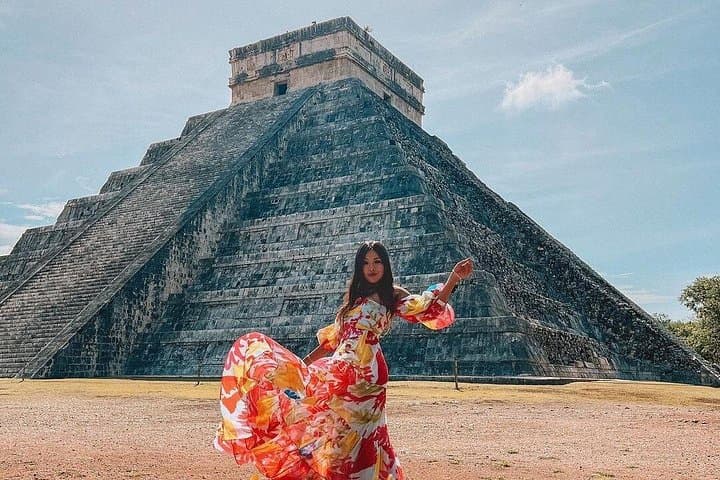
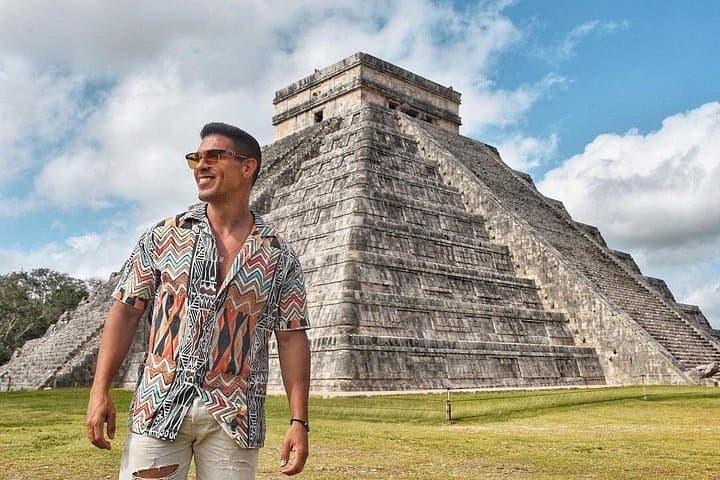
A cool morning road hums beneath the bus as palms slide past the window and the low Yucatán horizon opens to stone. Arriving at Chichén Itzá, the pyramid of Kukulcán dominates the plain—its stepped faces throwing hard, readable shadows that change by the minute. Guides point out the ball court’s scale and the observatory’s angles, turning carved stone into an atlas of Maya astronomy.
Verified experiences and guided adventures in the surrounding area.
Operated by Josmar Line · Valladolid, Yucatán
A cool morning road hums beneath the bus as palms slide past the window and the low Yucatán horizon opens to stone. Arriving at Chichén Itzá, the pyramid of Kukulcán dominates the plain—its stepped faces throwing hard, readable shadows that change by the minute. Guides point out the ball court’s scale and the observatory’s angles, turning carved stone into an atlas of Maya astronomy.
The region is a limestone plateau pocked by cenotes—collapsed caves where groundwater gathers—evidence of Yucatán’s soluble geology. Chichén Itzá itself rose to prominence during the Terminal Classic and Postclassic periods; its plazas and columns reflect trade, ritual and an astronomical mind that calculated equinox shadows with uncanny precision.
After the site, the water of Saamal cenote offers a cool counterpoint: clear, slightly mineral, edged by roots and vines that seem to listen. Valladolid’s colonial streets close the loop—masonry faces, a quiet convent patio and local flavors at a long buffet that emphasizes cochinita, tortillas, and, yes, vegetarian options.
Practical edge: the full-day itinerary is roughly 12 hours door-to-door from Cancún, with about 3–4 hours on-site between the pyramid, cenote swim and town visit. Expect uneven stone paths at the ruins, wet surfaces at the cenote and strong sun midday. Carry sunscreen (apply after leaving the water), refillable water, cash for site fees or pro-camera permits, and comfortable shoes. Move deliberately—listen to the guide, give the place its space, and let the cool cenote wash away the heat of the plain.
The one-way drive is about 2.5 hours under normal traffic, making the tour roughly a 12-hour round trip from Cancún including stops.
Yes — Saamal (Oxman) cenote permits swimming; bring swimwear and a towel and avoid applying sunscreen or insect repellent before entering the water to reduce contamination.
Tour inclusions vary; this operator’s listing does not explicitly state entrance fees, so confirm with the provider prior to travel and carry local currency for any on-site permits or professional camera fees.
Chichén Itzá has uneven stone surfaces and some stairs; while main viewing areas are reachable, full accessibility is limited—contact the operator to discuss specific mobility needs.
Josmar Line operates guided outdoor trips and adventures with an emphasis on safety, stewardship, and memorable experiences.
A cool morning road hums beneath the bus as palms slide past the window and the low Yucatán horizon opens to stone. Arriving at Chichén Itzá, the pyramid of Kukulcán dominates the plain—its stepped faces throwing hard, readable shadows that change by the minute. Guides point out the ball court’s scale and the observatory’s angles, turning carved stone into an atlas of Maya astronomy.
A cool morning road hums beneath the bus as palms slide past the window and the low Yucatán horizon opens to stone. Arriving at Chichén Itzá, the pyramid of Kukulcán dominates the plain—its stepped faces throwing hard, readable shadows that change by the minute. Guides point out the ball court’s scale and the observatory’s angles, turning carved stone into an atlas of Maya astronomy.
The region is a limestone plateau pocked by cenotes—collapsed caves where groundwater gathers—evidence of Yucatán’s soluble geology. Chichén Itzá itself rose to prominence during the Terminal Classic and Postclassic periods; its plazas and columns reflect trade, ritual and an astronomical mind that calculated equinox shadows with uncanny precision.
After the site, the water of Saamal cenote offers a cool counterpoint: clear, slightly mineral, edged by roots and vines that seem to listen. Valladolid’s colonial streets close the loop—masonry faces, a quiet convent patio and local flavors at a long buffet that emphasizes cochinita, tortillas, and, yes, vegetarian options.
Practical edge: the full-day itinerary is roughly 12 hours door-to-door from Cancún, with about 3–4 hours on-site between the pyramid, cenote swim and town visit. Expect uneven stone paths at the ruins, wet surfaces at the cenote and strong sun midday. Carry sunscreen (apply after leaving the water), refillable water, cash for site fees or pro-camera permits, and comfortable shoes. Move deliberately—listen to the guide, give the place its space, and let the cool cenote wash away the heat of the plain.