THE ADVENTURE COLLECTIVE® · Independent discovery and booking for outdoor travel

Learn to make traditional chicken pibil and hand-pressed tortillas, then relax in a freshwater cenote while your meal slow-cooks underground. This four-hour class blends practical skills with cultural context and a refreshing swim.
Learn to make traditional chicken pibil and hand-pressed tortillas, then relax in a freshwater cenote while your meal slow-cooks underground. This four-hour class blends practical skills with cultural context and a refreshing swim.
The afternoon opens with limestone air and the hush of a cenote drawing you toward the water: sunlight fracturing through a jungle canopy, the cenote’s surface daring you to dive in while embers below begin their slow work. This four-hour, hands-on class teaches the classic chicken pibil method — marinated in achiote and citrus, wrapped in banana leaf, and cooked in an underground pit called a pib — while the meat slowly surrenders to heat beneath the earth.
Verified experiences and guided adventures in the surrounding area.
Operated by Cenote Secreto Maya · Tulum, Quintana Roo
The afternoon opens with limestone air and the hush of a cenote drawing you toward the water: sunlight fracturing through a jungle canopy, the cenote’s surface daring you to dive in while embers below begin their slow work. This four-hour, hands-on class teaches the classic chicken pibil method — marinated in achiote and citrus, wrapped in banana leaf, and cooked in an underground pit called a pib — while the meat slowly surrenders to heat beneath the earth.
Cenotes are collapsed sections of Yucatán’s karst limestone; their fresh, clear pools once supplied Maya communities and held ritual importance. The pibil technique comes from that same deep-rooted culture: communal cooking, layered flavors, and practical use of local leaves and spices. Expect a short orientation, time to prepare masa and tortillas by hand, and a long, relaxed break while the chicken cooks — a natural pause for a swim or quiet observation.
Practical notes: wear quick-dry swimwear under modest clothing, use biodegradable sunscreen and insect repellent, and bring cash for tips. The site usually provides ingredients, nonalcoholic drinks, and accessible paths, but terrain around cenotes can be uneven and slick. The rhythm of the day favors patience — food cooked in earth takes time, and the reward is communal, deeply local cuisine served beside a striking freshwater sinkhole.
This is part culinary lesson, part eco-cultural experience: you’ll leave with new cooking skills, a fuller sense of Maya culinary history, and the memory of cool water against warm stone.
Yes — the itinerary includes access to the cenote and free time to swim while the chicken pibil cooks, but swimming is optional.
The class centers on chicken pibil and region-specific sides; contact the operator beforehand to discuss allergies or substitutions.
It’s low-impact: standing, simple food prep, and brief walking; there’s no technical skill required and most guests complete it comfortably.
Bring a swimsuit, towel, biodegradable sunscreen, insect repellent, and a dry bag or ziplock for electronics; landings can be damp and rocky.
Cenote Secreto Maya operates guided outdoor trips and adventures with an emphasis on safety, stewardship, and memorable experiences.
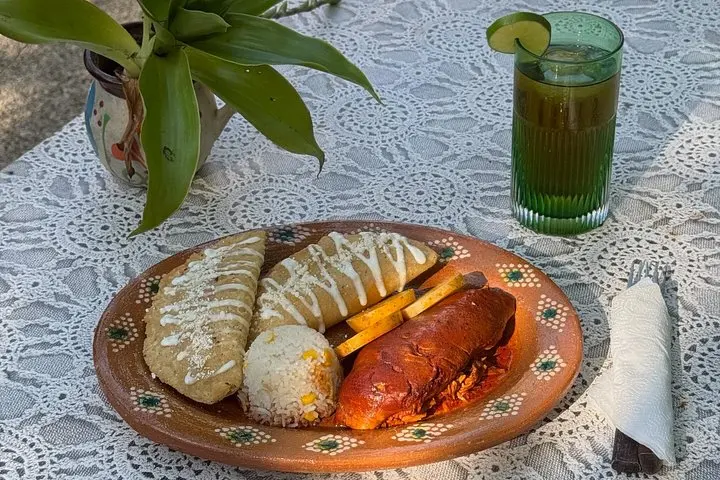
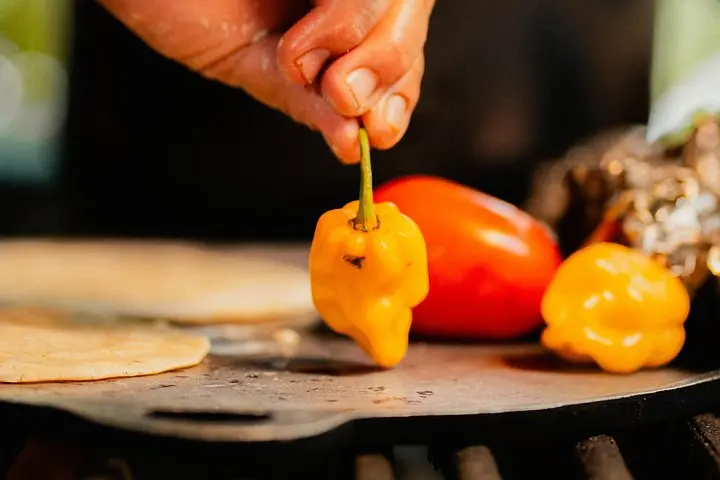
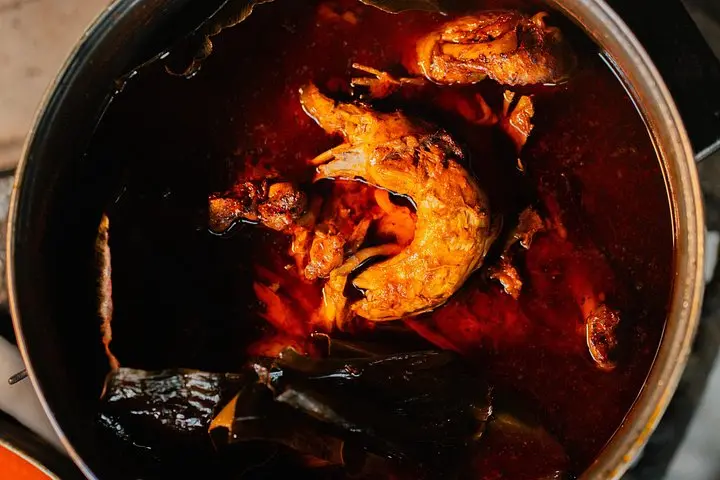
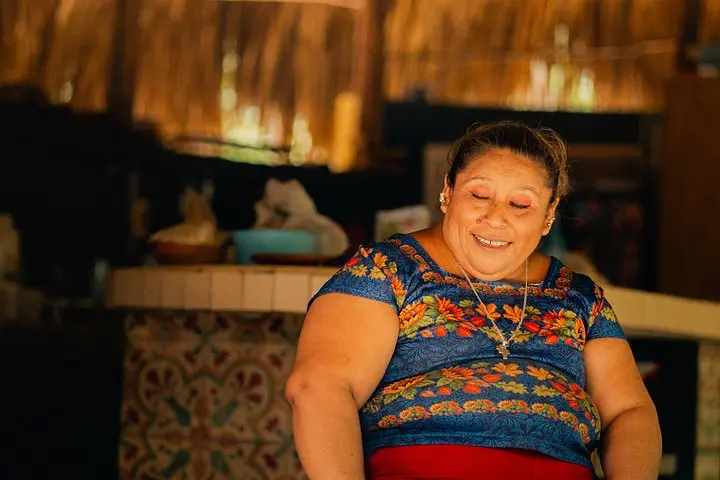
The afternoon opens with limestone air and the hush of a cenote drawing you toward the water: sunlight fracturing through a jungle canopy, the cenote’s surface daring you to dive in while embers below begin their slow work. This four-hour, hands-on class teaches the classic chicken pibil method — marinated in achiote and citrus, wrapped in banana leaf, and cooked in an underground pit called a pib — while the meat slowly surrenders to heat beneath the earth.
The afternoon opens with limestone air and the hush of a cenote drawing you toward the water: sunlight fracturing through a jungle canopy, the cenote’s surface daring you to dive in while embers below begin their slow work. This four-hour, hands-on class teaches the classic chicken pibil method — marinated in achiote and citrus, wrapped in banana leaf, and cooked in an underground pit called a pib — while the meat slowly surrenders to heat beneath the earth.
Cenotes are collapsed sections of Yucatán’s karst limestone; their fresh, clear pools once supplied Maya communities and held ritual importance. The pibil technique comes from that same deep-rooted culture: communal cooking, layered flavors, and practical use of local leaves and spices. Expect a short orientation, time to prepare masa and tortillas by hand, and a long, relaxed break while the chicken cooks — a natural pause for a swim or quiet observation.
Practical notes: wear quick-dry swimwear under modest clothing, use biodegradable sunscreen and insect repellent, and bring cash for tips. The site usually provides ingredients, nonalcoholic drinks, and accessible paths, but terrain around cenotes can be uneven and slick. The rhythm of the day favors patience — food cooked in earth takes time, and the reward is communal, deeply local cuisine served beside a striking freshwater sinkhole.
This is part culinary lesson, part eco-cultural experience: you’ll leave with new cooking skills, a fuller sense of Maya culinary history, and the memory of cool water against warm stone.