THE ADVENTURE COLLECTIVE® · Independent discovery and booking for outdoor travel

A nine-day loop from Colombo to Kandy, Dambulla, Polonnaruwa and Kalpitiya that blends UNESCO temples, a famous elephant safari and beach time. Expect manageable walks, cultural immersion, and late-afternoon boat rides to round out each day.
A nine-day loop from Colombo to Kandy, Dambulla, Polonnaruwa and Kalpitiya that blends UNESCO temples, a famous elephant safari and beach time. Expect manageable walks, cultural immersion, and late-afternoon boat rides to round out each day.
On the first evening in Colombo the city moves like a high tide: tuk-tuks slip through neon-lit arteries, and the sea exhales across Galle Face Green. Travelers on the nine-day Chill Out in Sri Lanka tour feel that push and pull immediately — from colonial avenues to emerald hill slopes, from ancient rock palaces to a safari river where elephants gather like a slow-motion parade.
Verified experiences and guided adventures in the surrounding area.
Operated by Lakpura LLC · Colombo, Western Province
On the first evening in Colombo the city moves like a high tide: tuk-tuks slip through neon-lit arteries, and the sea exhales across Galle Face Green. Travelers on the nine-day Chill Out in Sri Lanka tour feel that push and pull immediately — from colonial avenues to emerald hill slopes, from ancient rock palaces to a safari river where elephants gather like a slow-motion parade.
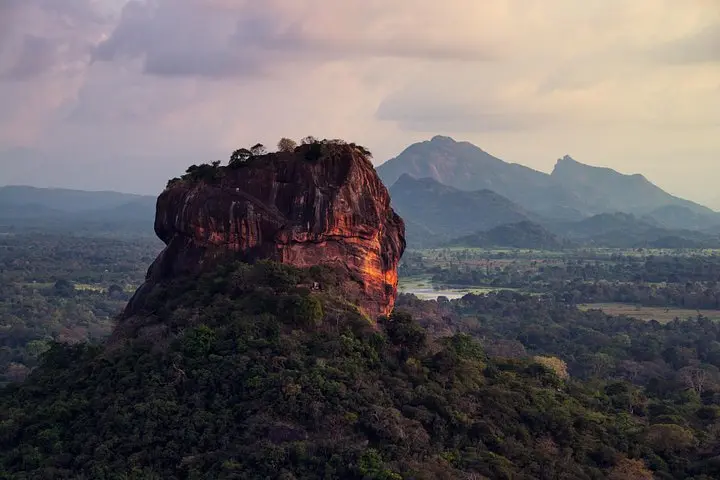
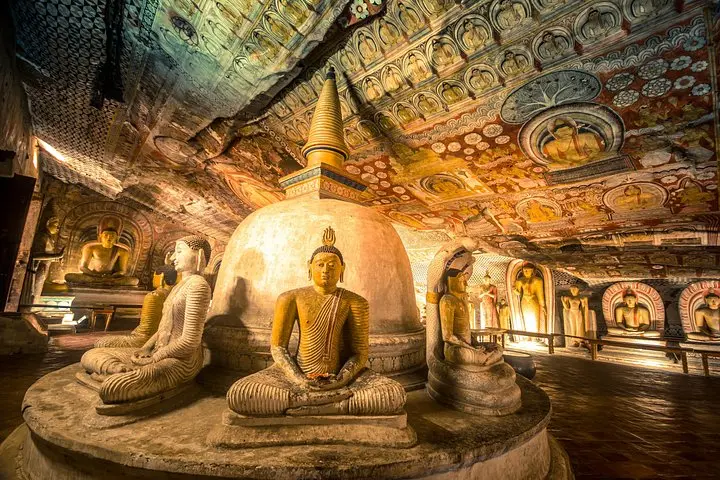
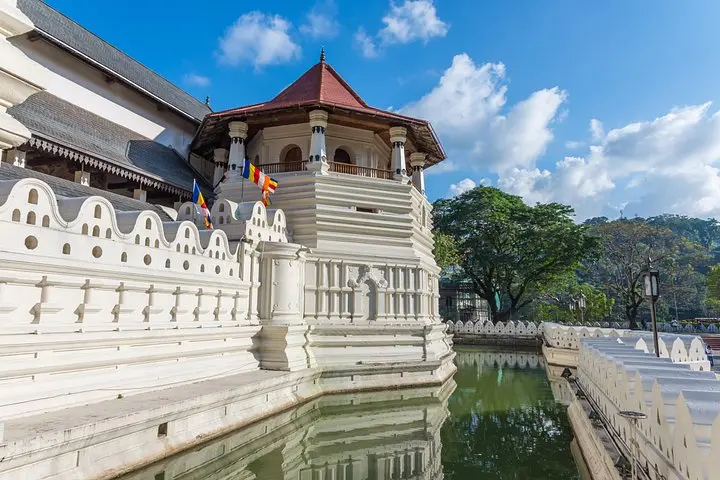
The route reads like a compact primer on Sri Lanka’s past and its geology. Colombo’s Dutch and British-era buildings tell the island’s colonial chapters; Kandy holds the country’s Kandyan kingdom legacy and the Temple of the Tooth, where centuries of kingship and religion intersect. North of Kandy the limestone and granite outcrops give way to the volcanic-era plains around Sigiriya, a 5th-century fortress carved from a monolith and defended by staircases and lion-shaped gateways. The cultural arc continues in Polonnaruwa, where stone reliefs and ruined baths recall a medieval court that once controlled irrigation channels across these plains.
Nature keeps an equally strong hand in the itinerary. A Minneriya safari aims for the Great Elephant Gathering (dry season, roughly May–October), when the park’s tanks concentrate herds and create one of Asia’s most striking animal spectacles. Kalpitiya on the west coast turns the volume down — sand, wind and sea — and offers catamaran cruises through calm lagoons where dolphins and migratory birds chart their own routes. Turtle nesting happens on nearby beaches in the cooler months; watching hatchlings head to the surf is quietly thrilling.
Practicalities shape the enjoyment. Days are long but largely low-impact: expect several short hikes and stair climbs (Sigiriya’s ascent is about 200 vertical meters on metal and stone steps), museum walks, and a half-day safari that can be dusty. Dress for heat and sun — breathable layers, a hat and sturdy walking shoes are staples. Carry a reusable water bottle and quick electrolytes for midday stretches. For temple visits, shoulders and knees should be covered and shoes removed.
Logistics are straightforward: a private vehicle and English-speaking chauffeur-guide handle transfers and most local arrangements. Book entry tickets to major sites in advance where possible, and plan beach days at the end to recover. Timing matters: schedule Minneriya during the dry months for the best elephant viewing and visit coastal Kalpitiya outside the monsoon window if you want calm seas for boat trips.
This itinerary is a balanced, approachable way to sample Sri Lanka’s human and natural highlights — a mix of short climbs, wildlife-driven patience, and enough shoreline to end with sand between your toes.
Yes—many sites are family-friendly, though Sigiriya involves steep stairs; travel providers can arrange child seats and adjusted pacing.
No—entrance tickets to attractions are typically not included, so budget for site admissions separately.
The dry season (roughly May–October) concentrates herds around water sources and offers the highest chance to see large gatherings.
Routine vaccinations are recommended; consult your healthcare provider for travel-specific advice like hepatitis A and typhoid depending on itinerary and activities.
Tipping is customary but discretionary; small daily tips for drivers and guides are appreciated and help local livelihoods.
Yes—Sri Lankan cooks are familiar with vegetarian and other restrictions; notify the operator when booking to ensure suitable meals.
Lakpura LLC operates guided outdoor trips and adventures with an emphasis on safety, stewardship, and memorable experiences.

On the first evening in Colombo the city moves like a high tide: tuk-tuks slip through neon-lit arteries, and the sea exhales across Galle Face Green. Travelers on the nine-day Chill Out in Sri Lanka tour feel that push and pull immediately — from colonial avenues to emerald hill slopes, from ancient rock palaces to a safari river where elephants gather like a slow-motion parade.
On the first evening in Colombo the city moves like a high tide: tuk-tuks slip through neon-lit arteries, and the sea exhales across Galle Face Green. Travelers on the nine-day Chill Out in Sri Lanka tour feel that push and pull immediately — from colonial avenues to emerald hill slopes, from ancient rock palaces to a safari river where elephants gather like a slow-motion parade.
The route reads like a compact primer on Sri Lanka’s past and its geology. Colombo’s Dutch and British-era buildings tell the island’s colonial chapters; Kandy holds the country’s Kandyan kingdom legacy and the Temple of the Tooth, where centuries of kingship and religion intersect. North of Kandy the limestone and granite outcrops give way to the volcanic-era plains around Sigiriya, a 5th-century fortress carved from a monolith and defended by staircases and lion-shaped gateways. The cultural arc continues in Polonnaruwa, where stone reliefs and ruined baths recall a medieval court that once controlled irrigation channels across these plains.
Nature keeps an equally strong hand in the itinerary. A Minneriya safari aims for the Great Elephant Gathering (dry season, roughly May–October), when the park’s tanks concentrate herds and create one of Asia’s most striking animal spectacles. Kalpitiya on the west coast turns the volume down — sand, wind and sea — and offers catamaran cruises through calm lagoons where dolphins and migratory birds chart their own routes. Turtle nesting happens on nearby beaches in the cooler months; watching hatchlings head to the surf is quietly thrilling.
Practicalities shape the enjoyment. Days are long but largely low-impact: expect several short hikes and stair climbs (Sigiriya’s ascent is about 200 vertical meters on metal and stone steps), museum walks, and a half-day safari that can be dusty. Dress for heat and sun — breathable layers, a hat and sturdy walking shoes are staples. Carry a reusable water bottle and quick electrolytes for midday stretches. For temple visits, shoulders and knees should be covered and shoes removed.
Logistics are straightforward: a private vehicle and English-speaking chauffeur-guide handle transfers and most local arrangements. Book entry tickets to major sites in advance where possible, and plan beach days at the end to recover. Timing matters: schedule Minneriya during the dry months for the best elephant viewing and visit coastal Kalpitiya outside the monsoon window if you want calm seas for boat trips.
This itinerary is a balanced, approachable way to sample Sri Lanka’s human and natural highlights — a mix of short climbs, wildlife-driven patience, and enough shoreline to end with sand between your toes.