THE ADVENTURE COLLECTIVE® · Independent discovery and booking for outdoor travel

Ascend Chimborazo’s high slopes on a compact day tour from Riobamba: a guided transfer to Hermanos Carrel (4,845 m), a one‑hour climb to Whymper refuge (5,042 m), and a visit to Condor Cocha (~5,100 m). Practical, non‑technical and focused on high‑altitude views.
Ascend Chimborazo’s high slopes on a compact day tour from Riobamba: a guided transfer to Hermanos Carrel (4,845 m), a one‑hour climb to Whymper refuge (5,042 m), and a visit to Condor Cocha (~5,100 m). Practical, non‑technical and focused on high‑altitude views.
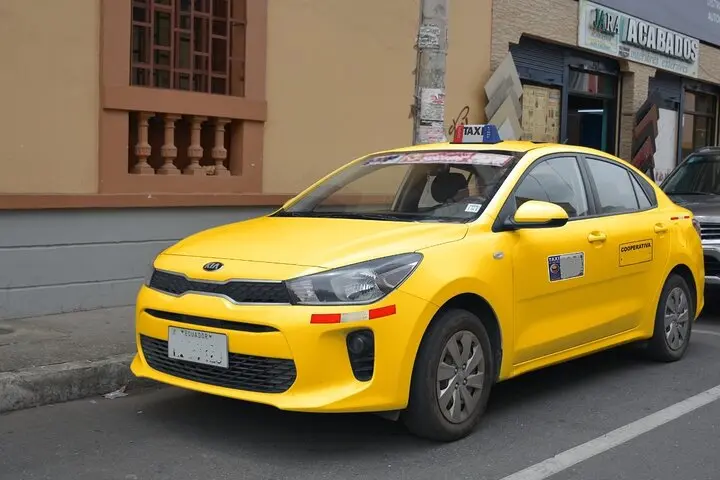
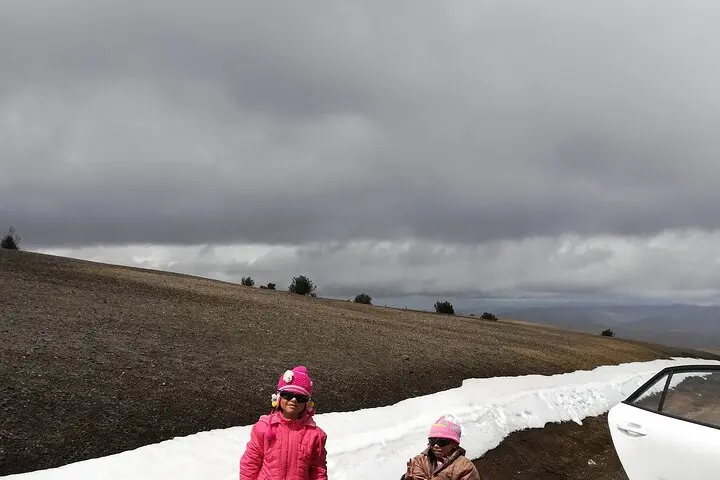
You step out of the sedan taxi at 4,845 meters and cold air bites with the clarity of a bell. The Hermanos Carrel refuge sits low and square against Chimborazo’s slopes; above it, the trail narrows into loose volcanic moraine and patches of snow that catch the afternoon light. Guides check passports, tighten gaiters and point to the ragged skyline where the Whymper refuge perches at roughly 5,042 m — a short, breath-steep climb that rewards you with wide views and a high-elevation lagoon.
Verified experiences and guided adventures in the surrounding area.
Operated by Transporte en Taxi Riobamba · Riobamba, Chimborazo
You step out of the sedan taxi at 4,845 meters and cold air bites with the clarity of a bell. The Hermanos Carrel refuge sits low and square against Chimborazo’s slopes; above it, the trail narrows into loose volcanic moraine and patches of snow that catch the afternoon light. Guides check passports, tighten gaiters and point to the ragged skyline where the Whymper refuge perches at roughly 5,042 m — a short, breath-steep climb that rewards you with wide views and a high-elevation lagoon.
Geology here is blunt: an ancient volcanic massif crowned by glacial ice, the farthest point from Earth’s center despite not being the planet’s tallest mountain by elevation. Human history runs through nearby Riobamba, a colonial hub and staging point for Andean expeditions; indigenous highland communities have relied on these slopes for grazing and water since pre-Columbian times.
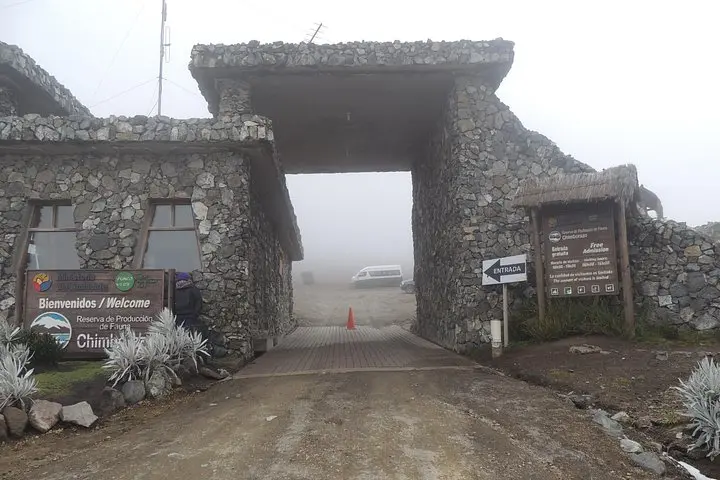
Expect rocky, high-altitude terrain, short steep sections and cold, changeable weather. The itinerary is compact — roughly five hours round-trip with departure from Riobamba at 08:00, registration on arrival, a one-hour walk to Whymper, a visit to Condor Cocha at ~5,100 m, then descent and return.
Practical edge: protect exposed skin from UV and wind, sip slowly to offset altitude, and travel with layered insulation and waterproof outerwear. The operator provides bottled water, an air‑conditioned vehicle, and photo assistance; passport is required for park entry. This is a non-technical high‑altitude outing—manageable with acclimatization and respect for the mountain’s thin air.
No—this particular itinerary is non‑technical walking between refuges and viewpoints; however, it involves sustained time above 4,800 m and requires acclimatization.
Private round‑trip transport from Riobamba, bottled water, a guide, park registration assistance (passport required), and photographic/video help.
Spend a day or two in Riobamba, hydrate, eat lightly, avoid heavy exertion before the tour, and carry small snacks or glucose chews for symptoms of lightheadedness.
The operator uses a sedan taxi; it’s suitable for most travelers but those needing extra space or with mobility issues should request alternate pickup arrangements in advance.
Transporte en Taxi Riobamba operates guided outdoor trips and adventures with an emphasis on safety, stewardship, and memorable experiences.
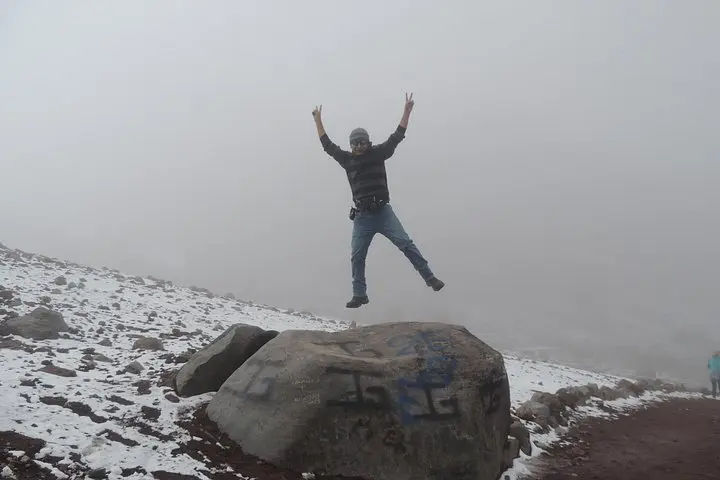
You step out of the sedan taxi at 4,845 meters and cold air bites with the clarity of a bell. The Hermanos Carrel refuge sits low and square against Chimborazo’s slopes; above it, the trail narrows into loose volcanic moraine and patches of snow that catch the afternoon light. Guides check passports, tighten gaiters and point to the ragged skyline where the Whymper refuge perches at roughly 5,042 m — a short, breath-steep climb that rewards you with wide views and a high-elevation lagoon.
You step out of the sedan taxi at 4,845 meters and cold air bites with the clarity of a bell. The Hermanos Carrel refuge sits low and square against Chimborazo’s slopes; above it, the trail narrows into loose volcanic moraine and patches of snow that catch the afternoon light. Guides check passports, tighten gaiters and point to the ragged skyline where the Whymper refuge perches at roughly 5,042 m — a short, breath-steep climb that rewards you with wide views and a high-elevation lagoon.
Geology here is blunt: an ancient volcanic massif crowned by glacial ice, the farthest point from Earth’s center despite not being the planet’s tallest mountain by elevation. Human history runs through nearby Riobamba, a colonial hub and staging point for Andean expeditions; indigenous highland communities have relied on these slopes for grazing and water since pre-Columbian times.
Expect rocky, high-altitude terrain, short steep sections and cold, changeable weather. The itinerary is compact — roughly five hours round-trip with departure from Riobamba at 08:00, registration on arrival, a one-hour walk to Whymper, a visit to Condor Cocha at ~5,100 m, then descent and return.
Practical edge: protect exposed skin from UV and wind, sip slowly to offset altitude, and travel with layered insulation and waterproof outerwear. The operator provides bottled water, an air‑conditioned vehicle, and photo assistance; passport is required for park entry. This is a non-technical high‑altitude outing—manageable with acclimatization and respect for the mountain’s thin air.