THE ADVENTURE COLLECTIVE® · Independent discovery and booking for outdoor travel

A full-day excursion to Ecuador’s highest peak and the point farthest from Earth’s center. Expect high-páramo landscapes, close-up wildlife like vicuña and alpaca, and short, altitude-demanding hikes with huge mountain views.
A full-day excursion to Ecuador’s highest peak and the point farthest from Earth’s center. Expect high-páramo landscapes, close-up wildlife like vicuña and alpaca, and short, altitude-demanding hikes with huge mountain views.
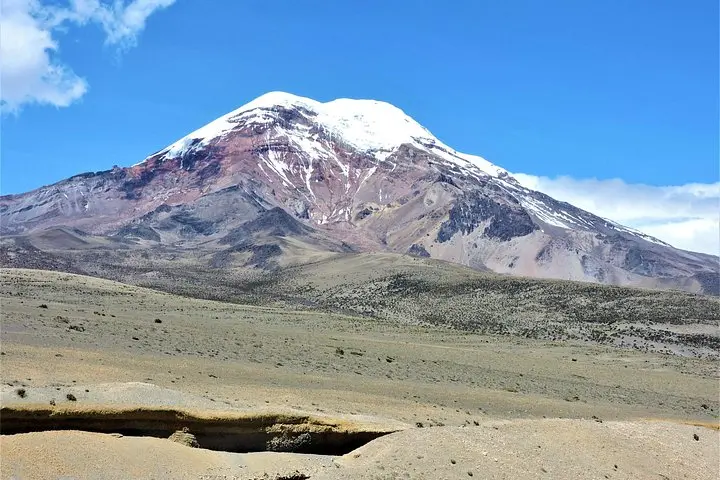
You step out of the van into a wind that seems to push and test your breath; Chimborazo towers behind a band of cloud, its volcanic slopes folding into the high páramo like a giant asserting the Andes’ logic. The road climbs, patches of bright tussock and lichen-splashed rock giving way to moraine and scree as the air thins and the horizon widens.
Verified experiences and guided adventures in the surrounding area.
Operated by Ivagatours · Riobamba, Chimborazo Province
You step out of the van into a wind that seems to push and test your breath; Chimborazo towers behind a band of cloud, its volcanic slopes folding into the high páramo like a giant asserting the Andes’ logic. The road climbs, patches of bright tussock and lichen-splashed rock giving way to moraine and scree as the air thins and the horizon widens.
Chimborazo rises to 6,263 m (20,548 ft) and—because of the equatorial bulge—is the point on Earth farthest from the planet’s center. The ridge and its glacial remnants tell a story of volcanic uplift and ice erosion; beneath the peaks are centuries of Andean pastoral culture where vicuñas and alpacas still graze and highland communities manage communal grazing lands.
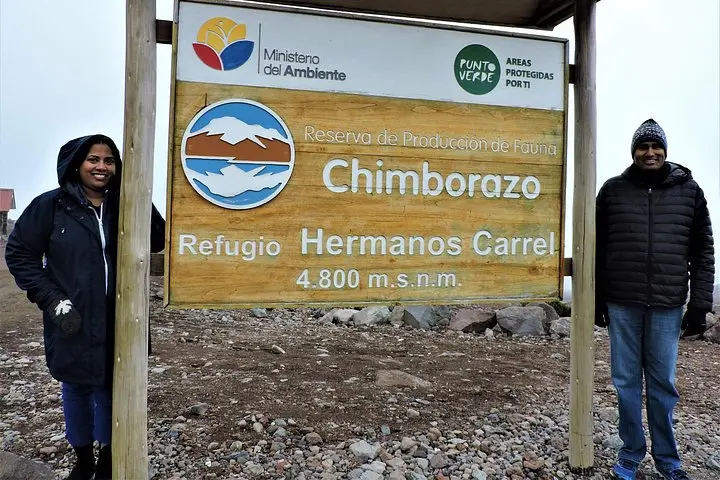
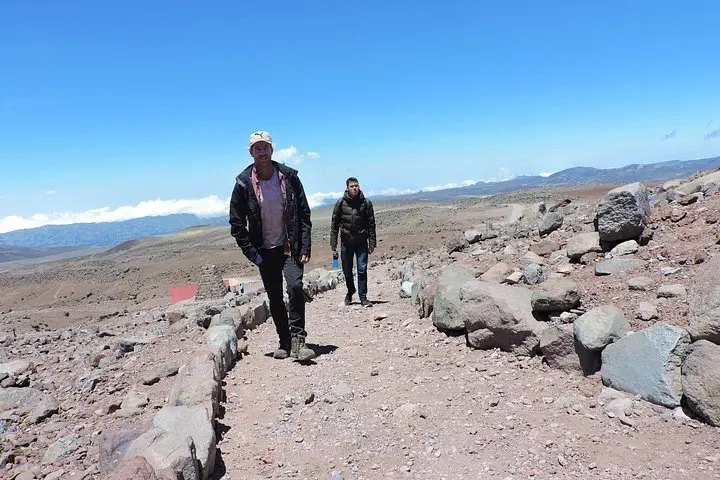
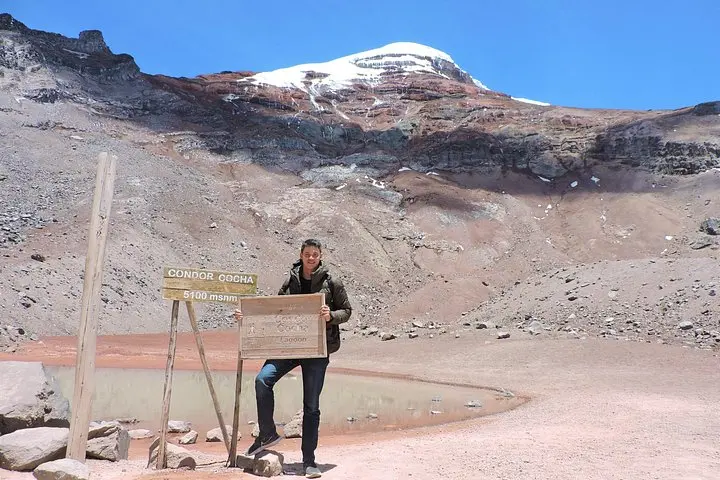
On a day trip from Baños or Riobamba you’ll usually visit the Reserva Nacional Chimborazo, take short hikes to viewpoint altiplano and moraine fields, and watch for wildlife at dawn and dusk. Terrain is high-elevation páramo: tussock, compacted dirt tracks and loose volcanic scree on steeper approaches. Expect strong sun, cold winds, and oxygen that feels sparse; even short walks can feel strenuous above 4,500 m.
Practical notes: the excursion runs about 6–8 hours door-to-door. Acclimatize for a day or two if possible, carry 2–3 liters of water, layer for wind and sun, and use footwear with good traction for rocky slopes. Morning windows often yield the clearest views; bring a camera and respect wildlife distances — Andean bears are present but sightings are rare. The trip mixes accessible scenic stops with genuine high-altitude conditions, rewarding preparation with dramatic views and wildlife encounters.
The excursion runs about 6–8 hours and typically includes private transportation, a certified guide, entrance to the Chimborazo reserve, and HD photos/video as noted in the tour inclusions.
No technical climbing skills are required for the viewpoint stops on this day trip, but guests should be comfortable walking on uneven, high-altitude terrain.
Morning tends to offer the clearest skies and softer light; afternoons can bring cloud build-up and stronger winds.
Basic facilities are available at reserve entrances and some viewpoints, but services are limited—carry tissues and hand sanitizer for comfort.
Ivagatours operates guided outdoor trips and adventures with an emphasis on safety, stewardship, and memorable experiences.
You step out of the van into a wind that seems to push and test your breath; Chimborazo towers behind a band of cloud, its volcanic slopes folding into the high páramo like a giant asserting the Andes’ logic. The road climbs, patches of bright tussock and lichen-splashed rock giving way to moraine and scree as the air thins and the horizon widens.
You step out of the van into a wind that seems to push and test your breath; Chimborazo towers behind a band of cloud, its volcanic slopes folding into the high páramo like a giant asserting the Andes’ logic. The road climbs, patches of bright tussock and lichen-splashed rock giving way to moraine and scree as the air thins and the horizon widens.
Chimborazo rises to 6,263 m (20,548 ft) and—because of the equatorial bulge—is the point on Earth farthest from the planet’s center. The ridge and its glacial remnants tell a story of volcanic uplift and ice erosion; beneath the peaks are centuries of Andean pastoral culture where vicuñas and alpacas still graze and highland communities manage communal grazing lands.
On a day trip from Baños or Riobamba you’ll usually visit the Reserva Nacional Chimborazo, take short hikes to viewpoint altiplano and moraine fields, and watch for wildlife at dawn and dusk. Terrain is high-elevation páramo: tussock, compacted dirt tracks and loose volcanic scree on steeper approaches. Expect strong sun, cold winds, and oxygen that feels sparse; even short walks can feel strenuous above 4,500 m.
Practical notes: the excursion runs about 6–8 hours door-to-door. Acclimatize for a day or two if possible, carry 2–3 liters of water, layer for wind and sun, and use footwear with good traction for rocky slopes. Morning windows often yield the clearest views; bring a camera and respect wildlife distances — Andean bears are present but sightings are rare. The trip mixes accessible scenic stops with genuine high-altitude conditions, rewarding preparation with dramatic views and wildlife encounters.