THE ADVENTURE COLLECTIVE® · Independent discovery and booking for outdoor travel

This 12‑day private tour stitches Beijing, Xi’an and Shanghai together with a multi‑day Yangtze River cruise. Expect imperial sites, the Terracotta Army, dramatic gorges and curated logistics that include trains, a flight and full‑board cruise cabins.
This 12‑day private tour stitches Beijing, Xi’an and Shanghai together with a multi‑day Yangtze River cruise. Expect imperial sites, the Terracotta Army, dramatic gorges and curated logistics that include trains, a flight and full‑board cruise cabins.
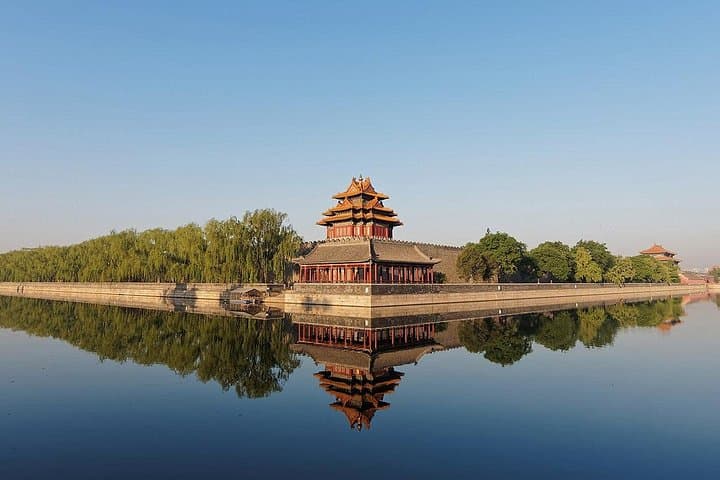
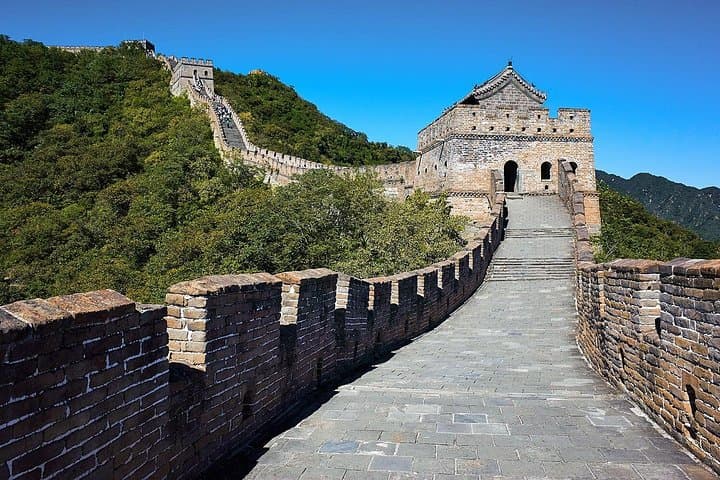
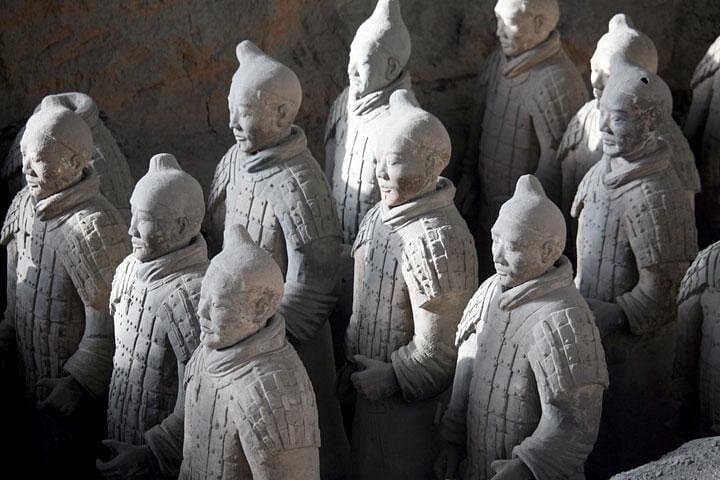
Morning light spills across Tiananmen; a guide meets you at arrivals and the city’s broad avenues begin to open like pages. Over twelve days this private itinerary threads Beijing’s imperial squares, Xi’an’s terracotta ranks and the slow, carved channel of the Yangtze, finishing in the neon sweep of Shanghai’s Bund. Each city has a distinct pace: Beijing’s ceremonial plazas and temple courtyards, Xi’an’s compact city wall and Muslim Quarter stalls, Chongqing’s steep streets before boarding a river vessel, and Shanghai’s layered modernity.
Verified experiences and guided adventures in the surrounding area.
Operated by Travel China Guide · Beijing, Beijing
Morning light spills across Tiananmen; a guide meets you at arrivals and the city’s broad avenues begin to open like pages. Over twelve days this private itinerary threads Beijing’s imperial squares, Xi’an’s terracotta ranks and the slow, carved channel of the Yangtze, finishing in the neon sweep of Shanghai’s Bund. Each city has a distinct pace: Beijing’s ceremonial plazas and temple courtyards, Xi’an’s compact city wall and Muslim Quarter stalls, Chongqing’s steep streets before boarding a river vessel, and Shanghai’s layered modernity.
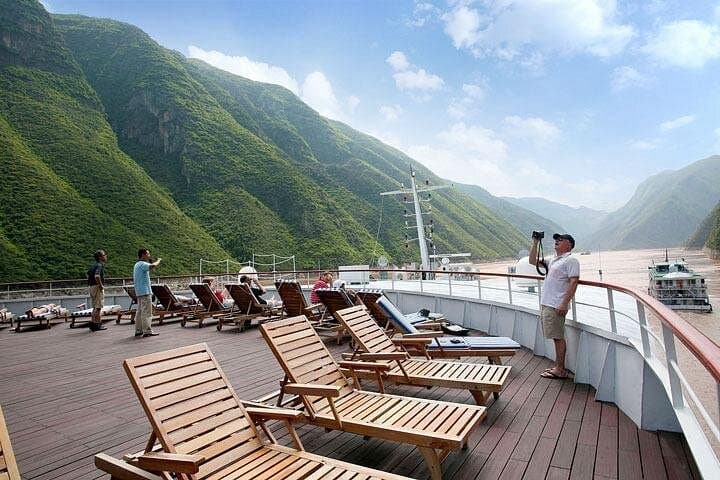
History is present in architecture and river lore. Beijing was the seat of Ming and Qing power; Xi’an served as China’s starting point for the Silk Road and houses the Terracotta Army; the Yangtze has long been China’s commercial artery and now passes dramatic gorges carved from limestone and sandstone over millennia. Local culture alternates traditional performance, temple rites and regional cuisines—Peking duck, Shaanxi noodles, Chongqing hot pot and Shanghai seafood. Geology shows most along the Yangtze: steep gorge walls, karst-like outcrops and alluvial plains nearer Shanghai.
Practical guidance: plan for extended walking, stairs and short motor transfers between sites. Pack light layers for variable temperatures and a compact daypack for camera, passport and bottled water. Expect guided logistics—tickets, some internal flights and high-speed trains are included—so arrivals are staged and paced. Allow buffer time for visa processing, travel between cities and occasional itinerary adjustments due to river conditions. Bring a sense of curiosity and a readiness to trade urban walking for an elevated river deck at dusk—where the current seems to push the landscape slowly past you.
Yes — travelers must secure valid Chinese visas before arrival; confirm entry requirements for your nationality well ahead of booking.
The cruise itself is low impact; shore excursions may include short hikes, boarding small motor boats and stairs—moderate mobility is helpful.
The itinerary includes one-way economy airfare (Xi’an–Chongqing) and high‑speed train segments as listed; verify which legs are covered before travel.
Professional English-speaking guides are provided throughout the tour, including local guides for city visits and onboard briefings during the cruise.
Travel China Guide operates guided outdoor trips and adventures with an emphasis on safety, stewardship, and memorable experiences.
Morning light spills across Tiananmen; a guide meets you at arrivals and the city’s broad avenues begin to open like pages. Over twelve days this private itinerary threads Beijing’s imperial squares, Xi’an’s terracotta ranks and the slow, carved channel of the Yangtze, finishing in the neon sweep of Shanghai’s Bund. Each city has a distinct pace: Beijing’s ceremonial plazas and temple courtyards, Xi’an’s compact city wall and Muslim Quarter stalls, Chongqing’s steep streets before boarding a river vessel, and Shanghai’s layered modernity.
Morning light spills across Tiananmen; a guide meets you at arrivals and the city’s broad avenues begin to open like pages. Over twelve days this private itinerary threads Beijing’s imperial squares, Xi’an’s terracotta ranks and the slow, carved channel of the Yangtze, finishing in the neon sweep of Shanghai’s Bund. Each city has a distinct pace: Beijing’s ceremonial plazas and temple courtyards, Xi’an’s compact city wall and Muslim Quarter stalls, Chongqing’s steep streets before boarding a river vessel, and Shanghai’s layered modernity.
History is present in architecture and river lore. Beijing was the seat of Ming and Qing power; Xi’an served as China’s starting point for the Silk Road and houses the Terracotta Army; the Yangtze has long been China’s commercial artery and now passes dramatic gorges carved from limestone and sandstone over millennia. Local culture alternates traditional performance, temple rites and regional cuisines—Peking duck, Shaanxi noodles, Chongqing hot pot and Shanghai seafood. Geology shows most along the Yangtze: steep gorge walls, karst-like outcrops and alluvial plains nearer Shanghai.
Practical guidance: plan for extended walking, stairs and short motor transfers between sites. Pack light layers for variable temperatures and a compact daypack for camera, passport and bottled water. Expect guided logistics—tickets, some internal flights and high-speed trains are included—so arrivals are staged and paced. Allow buffer time for visa processing, travel between cities and occasional itinerary adjustments due to river conditions. Bring a sense of curiosity and a readiness to trade urban walking for an elevated river deck at dusk—where the current seems to push the landscape slowly past you.