THE ADVENTURE COLLECTIVE® · Independent discovery and booking for outdoor travel

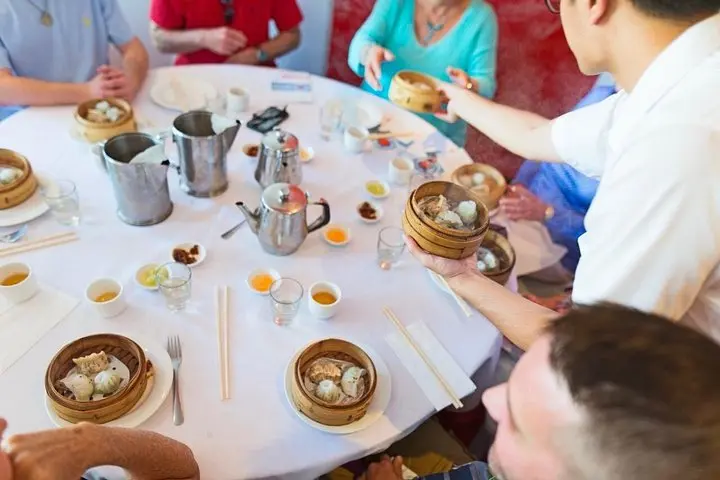
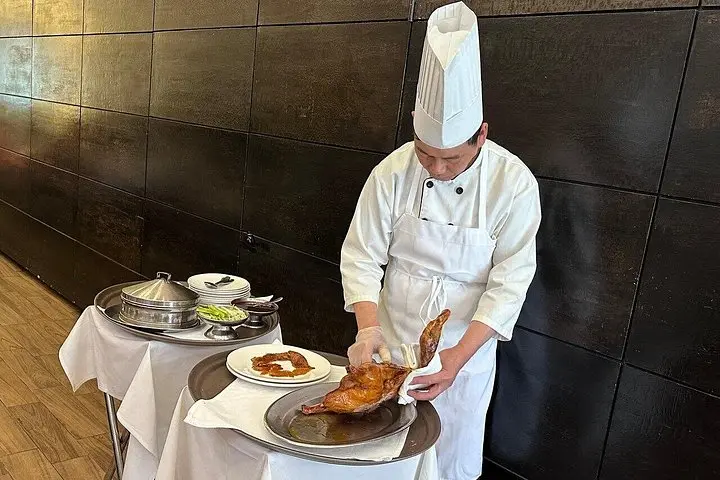
Taste five dim sum varieties, watch Peking duck carved at table-side, and try Malaysian roti on a three-hour guided walk through Manhattan’s Chinatown. Expect history, neighborhood stories, and enough food to leave satisfied.
Taste five dim sum varieties, watch Peking duck carved at table-side, and try Malaysian roti on a three-hour guided walk through Manhattan’s Chinatown. Expect history, neighborhood stories, and enough food to leave satisfied.
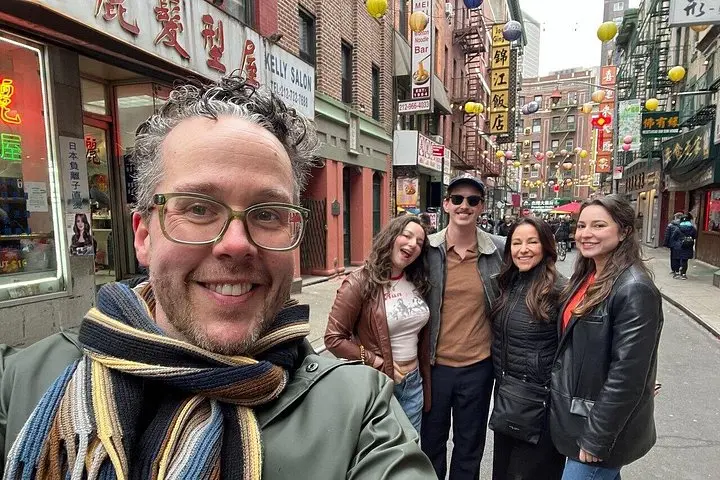
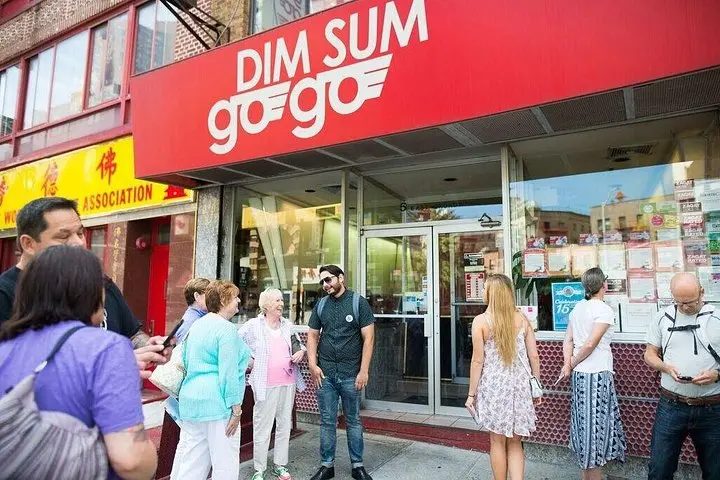
You step out onto East Broadway and the city contracts into small storefronts and steam rising from woks; the air pulls at you with soy, tea and fried dough. The guide gathers the group outside Dim Sum Go Go, and within minutes the neighborhood begins to unfold—curving alleys, storefront shrines, and an urgency of voices that both narrate and challenge your appetite.
Verified experiences and guided adventures in the surrounding area.
Operated by Foods of New York Tours · New York, New York
You step out onto East Broadway and the city contracts into small storefronts and steam rising from woks; the air pulls at you with soy, tea and fried dough. The guide gathers the group outside Dim Sum Go Go, and within minutes the neighborhood begins to unfold—curving alleys, storefront shrines, and an urgency of voices that both narrate and challenge your appetite.
Manhattan’s Chinatown grew out of 19th- and 20th-century migration and exclusion-era policies, a compact immigrant enclave layered atop lower Manhattan’s tidal plain and reclaimed lots. The tour threads social history—family associations, early labor patterns, and the shifting flows of Cantonese, Fujianese and newer Southeast Asian communities—into an explanation of how food maps cultural survival.
Geology is the city’s quiet co-author here: narrow streets and tenement architecture reflect the island’s constraints, while Columbus Park functions as the neighborhood’s civic room where elders practice tai chi and musicians tune bamboo flutes. Cultural context is tangible: the Peking duck carving is a culinary ritual, dim sum an evolving communal habit, and Malaysian roti a reminder that Chinatown keeps expanding its borders.
Practical guidance: the three-hour tour covers five stops with three seated indoor tastings—bring comfortable shoes for short walks and a light jacket for cooler restaurants. Public transit and walking are the easiest ways to arrive; note the operator cannot accommodate vegan or gluten-free diets. Carry a refillable bottle, bring small cash for markets, and plan for a morning or early-afternoon slot to avoid evening crowds.
The meeting point is outside Dim Sum Go Go at 5 E Broadway near Chatham Square; the tour ends outside Golden Manna Bakery.
Vegetarian and nut-free substitutions are available; the operator cannot accommodate vegan or gluten-free diets or all allergies—contact the office for specific questions.
Yes—this is an easy-paced urban walk suitable for most ages; let the operator know about mobility concerns when booking.
Full refunds are available if you cancel at least 24 hours before the scheduled departure; late cancellations are non-refundable.
Foods of New York Tours operates guided outdoor trips and adventures with an emphasis on safety, stewardship, and memorable experiences.
You step out onto East Broadway and the city contracts into small storefronts and steam rising from woks; the air pulls at you with soy, tea and fried dough. The guide gathers the group outside Dim Sum Go Go, and within minutes the neighborhood begins to unfold—curving alleys, storefront shrines, and an urgency of voices that both narrate and challenge your appetite.
You step out onto East Broadway and the city contracts into small storefronts and steam rising from woks; the air pulls at you with soy, tea and fried dough. The guide gathers the group outside Dim Sum Go Go, and within minutes the neighborhood begins to unfold—curving alleys, storefront shrines, and an urgency of voices that both narrate and challenge your appetite.
Manhattan’s Chinatown grew out of 19th- and 20th-century migration and exclusion-era policies, a compact immigrant enclave layered atop lower Manhattan’s tidal plain and reclaimed lots. The tour threads social history—family associations, early labor patterns, and the shifting flows of Cantonese, Fujianese and newer Southeast Asian communities—into an explanation of how food maps cultural survival.
Geology is the city’s quiet co-author here: narrow streets and tenement architecture reflect the island’s constraints, while Columbus Park functions as the neighborhood’s civic room where elders practice tai chi and musicians tune bamboo flutes. Cultural context is tangible: the Peking duck carving is a culinary ritual, dim sum an evolving communal habit, and Malaysian roti a reminder that Chinatown keeps expanding its borders.
Practical guidance: the three-hour tour covers five stops with three seated indoor tastings—bring comfortable shoes for short walks and a light jacket for cooler restaurants. Public transit and walking are the easiest ways to arrive; note the operator cannot accommodate vegan or gluten-free diets. Carry a refillable bottle, bring small cash for markets, and plan for a morning or early-afternoon slot to avoid evening crowds.