THE ADVENTURE COLLECTIVE® · Independent discovery and booking for outdoor travel

Explore Cholon’s living history on a three-hour walking tour that mixes ornate Chinese association halls, a hybrid Catholic church, and the bustling Binh Tay Market. Expect close-up cultural encounters, street snacks, and crowded market aisles.
Explore Cholon’s living history on a three-hour walking tour that mixes ornate Chinese association halls, a hybrid Catholic church, and the bustling Binh Tay Market. Expect close-up cultural encounters, street snacks, and crowded market aisles.
You step off the shaded pavement into a corridor of voices and clattering stalls: incense smoke threads upward, vendors call prices, and the city’s Chinatown—Cholon—pushes you forward with the energy of a place still trading on practice and ritual.
Verified experiences and guided adventures in the surrounding area.
Operated by MyProGuide Vietnam · Ho Chi Minh City, Ho Chi Minh
You step off the shaded pavement into a corridor of voices and clattering stalls: incense smoke threads upward, vendors call prices, and the city’s Chinatown—Cholon—pushes you forward with the energy of a place still trading on practice and ritual.
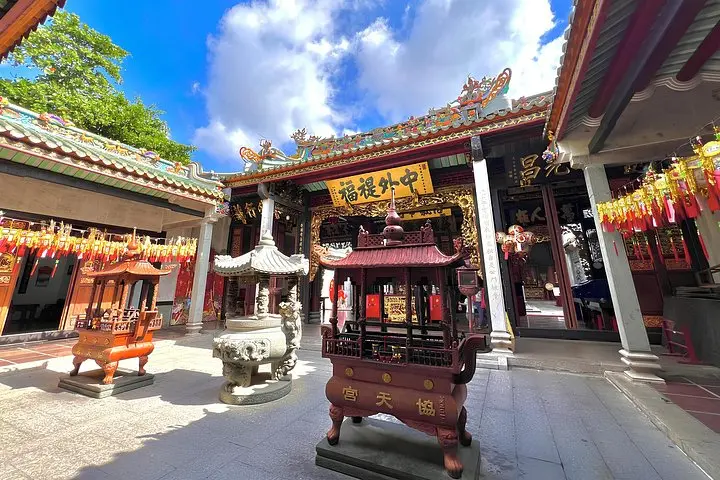
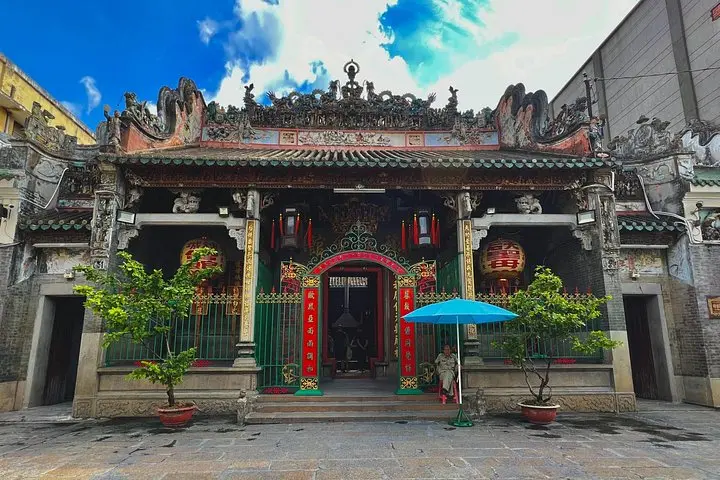
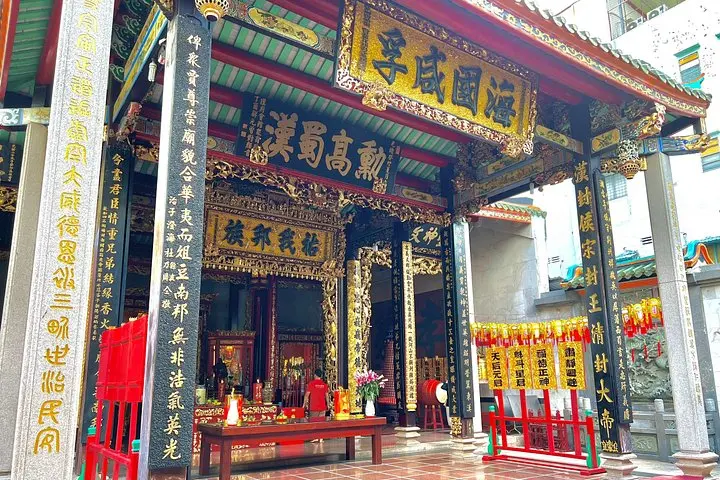
This half-day walk threads through century-old association halls (Nghia An and Tue Thanh), a hybrid-style Catholic church (Phanxico Xavie/Cha Tam), and the loud, layered Binh Tay Market. The area grew as Chinese-Vietnamese merchants extended Saigon’s trade networks in the 18th–19th centuries; buildings show Chinese ornament atop French colonial frames, a plain record of migration and commerce rather than a curated museum.
Geology here is flat alluvium; the Saigon River’s nearby channels helped make this neighborhood a trading hub. Culture is tactile—tea houses, clan halls, prayer altars, and market aisles where spices and dried seafood concentrate local flavors.
Practical guidance: the tour lasts about three hours, mostly on paved streets and market alleys—easy walking but lots of stops and crowd navigation. Bring local currency for snacks and small purchases, wear closed-toe shoes for uneven market floors, and carry a light rain jacket during monsoon months. If you want photos of clan halls, ask permission quietly; religious spaces remain active.
Timing matters—mornings are cooler and less frenetic; late mornings build toward market bustle. This is a cultural walk best approached with curiosity, sensible footwear, and an appetite for bold street flavors.
The tour is approximately three hours with short walks between sites and extended time inside Binh Tay Market; it’s categorized as easy walking suitable for most people.
The tour includes a traditional dessert/snack tasting but other market purchases are at your own expense—bring cash for extra snacks or souvenirs.
Notify the operator when booking about mobility or dietary requirements; much of the route is on paved streets but some historic sites have steps.
This listing advertises a free eSIM when booked—confirm details with the provider before travel and ensure your phone is unlocked and compatible.
MyProGuide Vietnam operates guided outdoor trips and adventures with an emphasis on safety, stewardship, and memorable experiences.
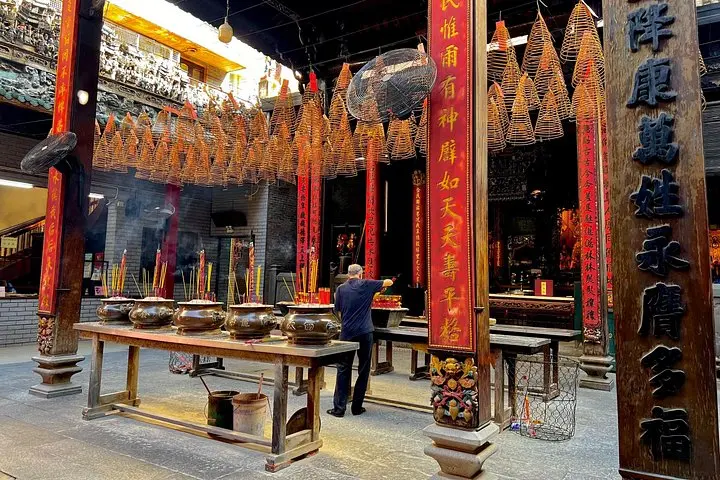
You step off the shaded pavement into a corridor of voices and clattering stalls: incense smoke threads upward, vendors call prices, and the city’s Chinatown—Cholon—pushes you forward with the energy of a place still trading on practice and ritual.
You step off the shaded pavement into a corridor of voices and clattering stalls: incense smoke threads upward, vendors call prices, and the city’s Chinatown—Cholon—pushes you forward with the energy of a place still trading on practice and ritual.
This half-day walk threads through century-old association halls (Nghia An and Tue Thanh), a hybrid-style Catholic church (Phanxico Xavie/Cha Tam), and the loud, layered Binh Tay Market. The area grew as Chinese-Vietnamese merchants extended Saigon’s trade networks in the 18th–19th centuries; buildings show Chinese ornament atop French colonial frames, a plain record of migration and commerce rather than a curated museum.
Geology here is flat alluvium; the Saigon River’s nearby channels helped make this neighborhood a trading hub. Culture is tactile—tea houses, clan halls, prayer altars, and market aisles where spices and dried seafood concentrate local flavors.
Practical guidance: the tour lasts about three hours, mostly on paved streets and market alleys—easy walking but lots of stops and crowd navigation. Bring local currency for snacks and small purchases, wear closed-toe shoes for uneven market floors, and carry a light rain jacket during monsoon months. If you want photos of clan halls, ask permission quietly; religious spaces remain active.
Timing matters—mornings are cooler and less frenetic; late mornings build toward market bustle. This is a cultural walk best approached with curiosity, sensible footwear, and an appetite for bold street flavors.