THE ADVENTURE COLLECTIVE® · Independent discovery and booking for outdoor travel

Spend a full day among high-Andean communities and Inca engineering: textile demonstrations in Chinchero, microclimate terraces at Moray, the honeycomb salt pans of Maras, and the living Inca town of Ollantaytambo. Expect high altitude, long drives, and immersive cultural exchanges.
Spend a full day among high-Andean communities and Inca engineering: textile demonstrations in Chinchero, microclimate terraces at Moray, the honeycomb salt pans of Maras, and the living Inca town of Ollantaytambo. Expect high altitude, long drives, and immersive cultural exchanges.
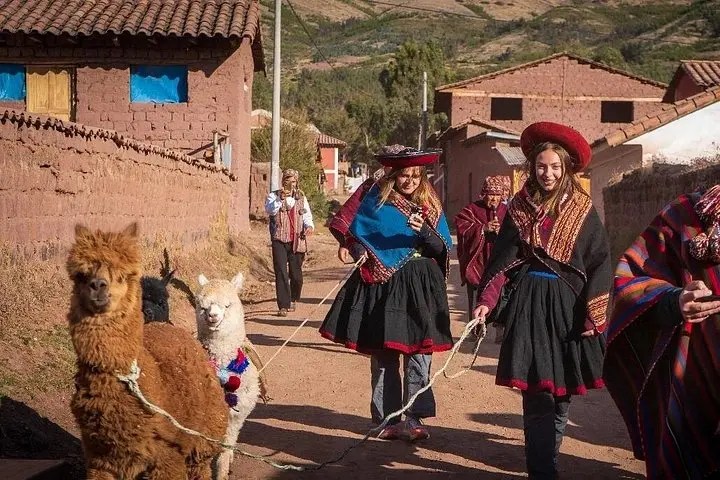
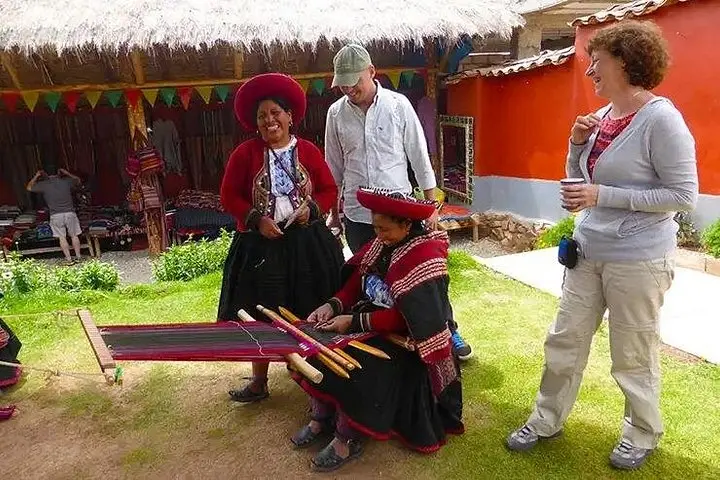
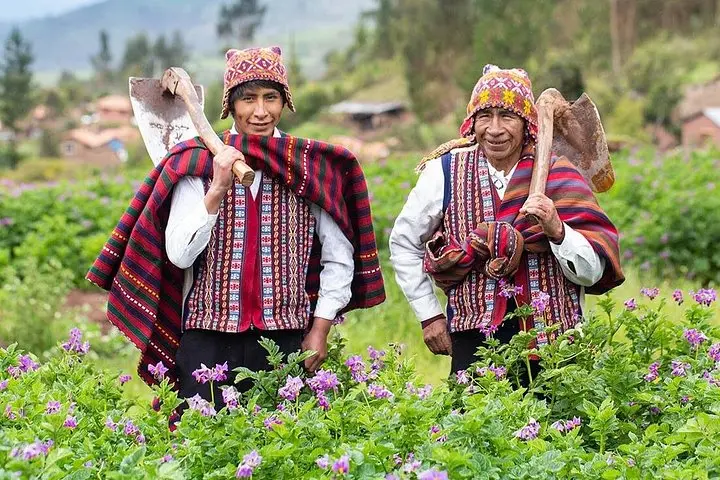
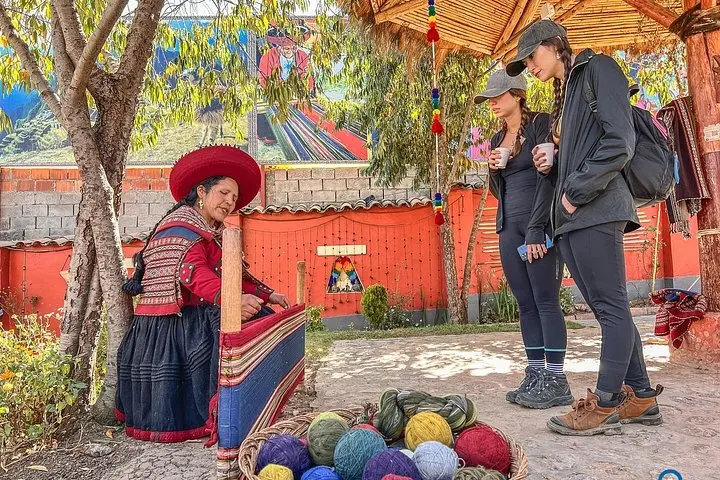
High on the Altiplano, wind scours a plaza ringed with adobe houses and a stone Inca wall—Chinchero opens the day like a live museum of Andean life. Visitors meet textile weavers whose looms click in rhythm, join families tending high-altitude fields, and inhale the earthy steam of a Pachamanca as it comes up from a pit oven.
Verified experiences and guided adventures in the surrounding area.
Operated by Machupicchu Peru Company · Chinchero, Cusco
High on the Altiplano, wind scours a plaza ringed with adobe houses and a stone Inca wall—Chinchero opens the day like a live museum of Andean life. Visitors meet textile weavers whose looms click in rhythm, join families tending high-altitude fields, and inhale the earthy steam of a Pachamanca as it comes up from a pit oven.
The route threads through Inca innovation and pre-Columbian geology. Moray’s concentric terraces read like a natural amphitheater of microclimates—archaeologists interpret them as agricultural laboratories where the Incas tested crop varieties across temperature bands. Nearby, the Salineras de Maras cut thousands of salt pans into a steep slope, their honeycombed pans fed by a saline spring and handed down through communal labor systems. The day finishes in Ollantaytambo, an Inca town whose fortress terraces still channel glacial runoff.
Practical notes: expect long drives between sites and sustained time above 3,000–3,800 m, so acclimatize in Cusco for 48–72 hours if possible. Terrain is mostly paved roads, village lanes, and stepped terraces—comfortable shoes with good traction are necessary. Weather swings quickly: sun feels strong at altitude, and afternoons often bring showers. Bring cash for small purchases at markets, and plan for a 14-hour day with included lunch, guide, and transport.
Respect local customs—ask before photographing people in traditional dress, support community-run textile demonstrations, and stay on designated paths to protect fragile terraces and saltworks.
The tour runs about 14 hours and includes Chinchero village, textile demonstrations, Moray terraces, Salineras de Maras, and Ollantaytambo with transport and a traditional Pachamanca lunch.
No technical skills are required; the tour is suitable for most fitness levels but involves walking on uneven and stepped terrain at high altitude.
Yes, but always ask permission before photographing people in traditional dress—respectful interaction is expected and sometimes a small fee supports families.
Tickets for Moray and Salineras are included according to the tour description; confirm details with your provider before travel.
Machupicchu Peru Company operates guided outdoor trips and adventures with an emphasis on safety, stewardship, and memorable experiences.
High on the Altiplano, wind scours a plaza ringed with adobe houses and a stone Inca wall—Chinchero opens the day like a live museum of Andean life. Visitors meet textile weavers whose looms click in rhythm, join families tending high-altitude fields, and inhale the earthy steam of a Pachamanca as it comes up from a pit oven.
High on the Altiplano, wind scours a plaza ringed with adobe houses and a stone Inca wall—Chinchero opens the day like a live museum of Andean life. Visitors meet textile weavers whose looms click in rhythm, join families tending high-altitude fields, and inhale the earthy steam of a Pachamanca as it comes up from a pit oven.
The route threads through Inca innovation and pre-Columbian geology. Moray’s concentric terraces read like a natural amphitheater of microclimates—archaeologists interpret them as agricultural laboratories where the Incas tested crop varieties across temperature bands. Nearby, the Salineras de Maras cut thousands of salt pans into a steep slope, their honeycombed pans fed by a saline spring and handed down through communal labor systems. The day finishes in Ollantaytambo, an Inca town whose fortress terraces still channel glacial runoff.
Practical notes: expect long drives between sites and sustained time above 3,000–3,800 m, so acclimatize in Cusco for 48–72 hours if possible. Terrain is mostly paved roads, village lanes, and stepped terraces—comfortable shoes with good traction are necessary. Weather swings quickly: sun feels strong at altitude, and afternoons often bring showers. Bring cash for small purchases at markets, and plan for a 14-hour day with included lunch, guide, and transport.
Respect local customs—ask before photographing people in traditional dress, support community-run textile demonstrations, and stay on designated paths to protect fragile terraces and saltworks.