THE ADVENTURE COLLECTIVE® · Independent discovery and booking for outdoor travel

A compact escape from Kathmandu, the 3-day Chisapani–Nagarkot trek folds mountain panoramas, Sherpa and Tamang village life, and a sunrise over the Langtang and Jugal ranges into easy days on the trail. Perfect for travelers short on time who still want true Himalayan exposure.
A compact escape from Kathmandu, the 3-day Chisapani–Nagarkot trek folds mountain panoramas, Sherpa and Tamang village life, and a sunrise over the Langtang and Jugal ranges into easy days on the trail. Perfect for travelers short on time who still want true Himalayan exposure.
You leave Kathmandu before the city has fully shaken off its diesel haze, a slow ribbon of road threading east toward Sundarijal. The river there is louder than the town—clear water tumbling under concrete bridges and daring you to slow down. From the trailhead you step into the cooler hush of Shivapuri National Park: rhododendron trunks mottled with moss, the sound of distant waterfalls, and a trail that climbs in a steady, human rhythm toward Chisapani.
Verified experiences and guided adventures in the surrounding area.
Operated by Himalayan Adventure Treks and Tours Pvt Ltd · Kathmandu, Bagmati Province
You leave Kathmandu before the city has fully shaken off its diesel haze, a slow ribbon of road threading east toward Sundarijal. The river there is louder than the town—clear water tumbling under concrete bridges and daring you to slow down. From the trailhead you step into the cooler hush of Shivapuri National Park: rhododendron trunks mottled with moss, the sound of distant waterfalls, and a trail that climbs in a steady, human rhythm toward Chisapani.
At Chisapani (2,075 m) the village feels older than the maps: slate-roofed tea houses, wood-fired cooking, and Tamang and Sherpa households who trade hospitality for stories. On clear days the Jugal and Langtang ranges puncture the horizon; mornings here are high-altitude cinema, with peaks laid out in honest, hard angles. The next day’s ridge walk to Nagarkot (2,195 m) delivers more than views—forest opens to meadows, terrace fields, and the occasional herder’s dog who measures you with one eye.
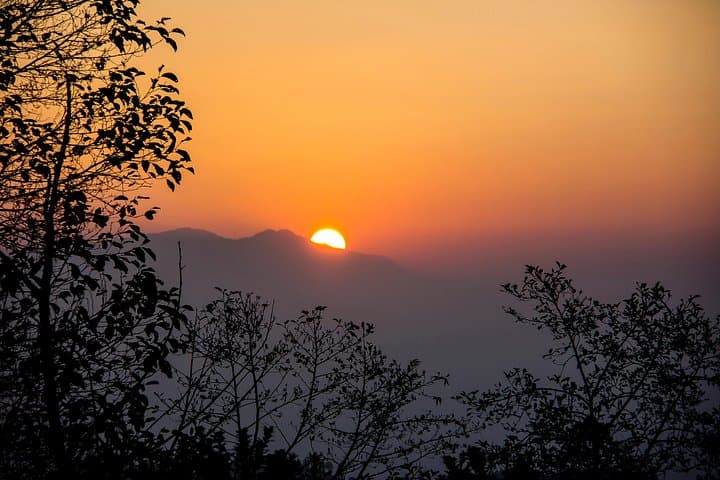
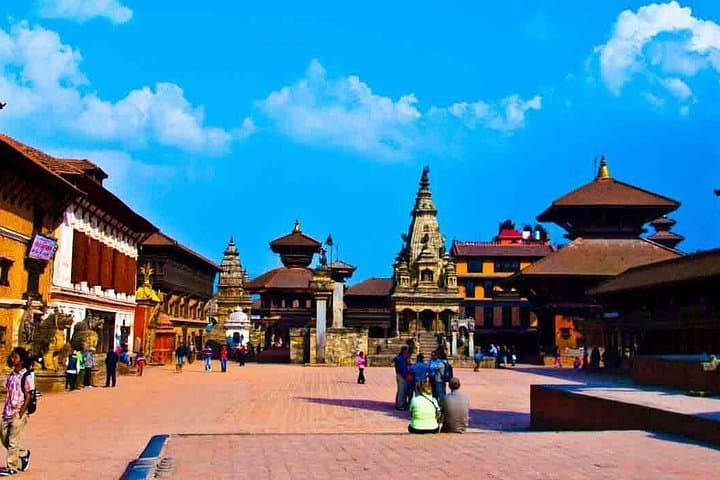
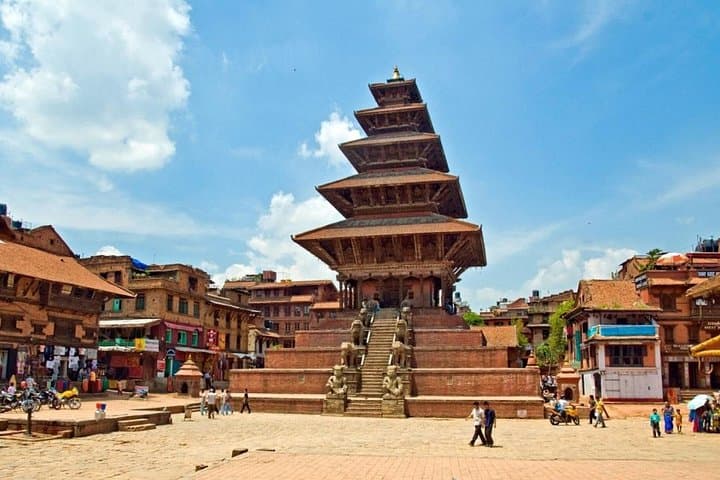
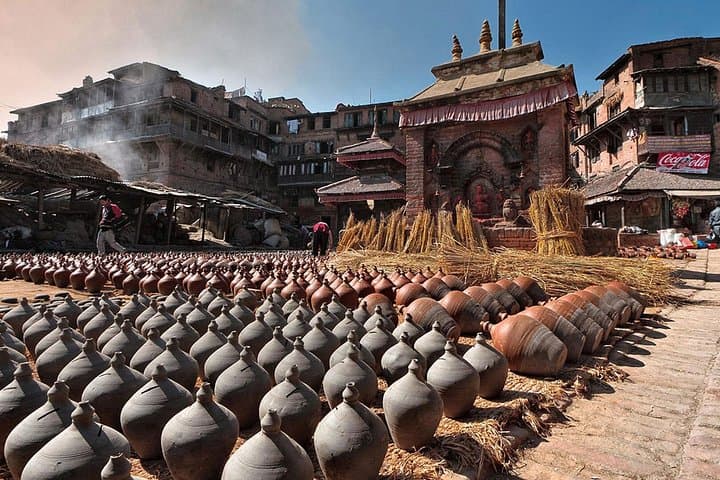
Nagarkot’s fame rests on its sunrise. Before dawn, silhouettes of village roofs and prayer flags darken a thin sky; when light comes the Himalaya perform a slow, stubborn reveal—first Dhaulagiri to the west, then the eastern sweep of Langtang and Jugal catching fire. The final day brings a cultural coda: a drive back toward the valley and a few hours wandering Bhaktapur Durbar Square, where wood-carved windows and centuries-old courtyards articulate a different kind of altitude—the weight of history.
Geology here is live: uplifted Himalayan sediment and sharp arêtes carved by glaciation create the terraces and steep gullies you cross. Culturally, the route threads rural Tamang and Sherpa settlements that have long acted as trade and transit nodes between mountain and valley. Biodiversity is real and audible—warblers flit in the underbrush and, if you’re patient, you may spot barking deer at dawn.
Practical notes: days average 4–6 hours of walking on uneven trails with 200–400 m of ascent or descent per stage. Tea-house accommodations are simple but warm; pack layers, a small headlamp, and cash for snacks and hot drinks. Your guide handles permits, transport, and local logistics, leaving you to focus on the light, the lungs, and the rhythms of the trail.
Timing matters: clear winter and spring mornings bring the most reliable mountain views; monsoon days can be lush but clouded. Hydrate, wear broken-in boots, and give the body time to move—this is a short trek, but one best enjoyed at a walking pace.
This is a short, guided trek suitable for fit beginners; expect steady ascents and descents of 4–6 hours per day but no technical climbing.
Yes—your guide arranges the National Park permit and any local paperwork included in the tour price.
Overnight stays are in tea houses or a resort in Nagarkot: basic but warm rooms, shared or private toilets depending on location.
Altitudes are moderate (2,000–2,200 m); most travelers tolerate it well but maintain pace, hydrate, and report symptoms to your guide promptly.
Yes—meals during trekking (breakfast, lunch, dinner) are included, plus a farewell dinner in Kathmandu with a cultural performance.
Yes—vegetarian options and most dietary needs can be accommodated if advised at booking.
Himalayan Adventure Treks and Tours Pvt Ltd operates guided outdoor trips and adventures with an emphasis on safety, stewardship, and memorable experiences.
You leave Kathmandu before the city has fully shaken off its diesel haze, a slow ribbon of road threading east toward Sundarijal. The river there is louder than the town—clear water tumbling under concrete bridges and daring you to slow down. From the trailhead you step into the cooler hush of Shivapuri National Park: rhododendron trunks mottled with moss, the sound of distant waterfalls, and a trail that climbs in a steady, human rhythm toward Chisapani.
You leave Kathmandu before the city has fully shaken off its diesel haze, a slow ribbon of road threading east toward Sundarijal. The river there is louder than the town—clear water tumbling under concrete bridges and daring you to slow down. From the trailhead you step into the cooler hush of Shivapuri National Park: rhododendron trunks mottled with moss, the sound of distant waterfalls, and a trail that climbs in a steady, human rhythm toward Chisapani.
At Chisapani (2,075 m) the village feels older than the maps: slate-roofed tea houses, wood-fired cooking, and Tamang and Sherpa households who trade hospitality for stories. On clear days the Jugal and Langtang ranges puncture the horizon; mornings here are high-altitude cinema, with peaks laid out in honest, hard angles. The next day’s ridge walk to Nagarkot (2,195 m) delivers more than views—forest opens to meadows, terrace fields, and the occasional herder’s dog who measures you with one eye.
Nagarkot’s fame rests on its sunrise. Before dawn, silhouettes of village roofs and prayer flags darken a thin sky; when light comes the Himalaya perform a slow, stubborn reveal—first Dhaulagiri to the west, then the eastern sweep of Langtang and Jugal catching fire. The final day brings a cultural coda: a drive back toward the valley and a few hours wandering Bhaktapur Durbar Square, where wood-carved windows and centuries-old courtyards articulate a different kind of altitude—the weight of history.
Geology here is live: uplifted Himalayan sediment and sharp arêtes carved by glaciation create the terraces and steep gullies you cross. Culturally, the route threads rural Tamang and Sherpa settlements that have long acted as trade and transit nodes between mountain and valley. Biodiversity is real and audible—warblers flit in the underbrush and, if you’re patient, you may spot barking deer at dawn.
Practical notes: days average 4–6 hours of walking on uneven trails with 200–400 m of ascent or descent per stage. Tea-house accommodations are simple but warm; pack layers, a small headlamp, and cash for snacks and hot drinks. Your guide handles permits, transport, and local logistics, leaving you to focus on the light, the lungs, and the rhythms of the trail.
Timing matters: clear winter and spring mornings bring the most reliable mountain views; monsoon days can be lush but clouded. Hydrate, wear broken-in boots, and give the body time to move—this is a short trek, but one best enjoyed at a walking pace.