THE ADVENTURE COLLECTIVE® · Independent discovery and booking for outdoor travel

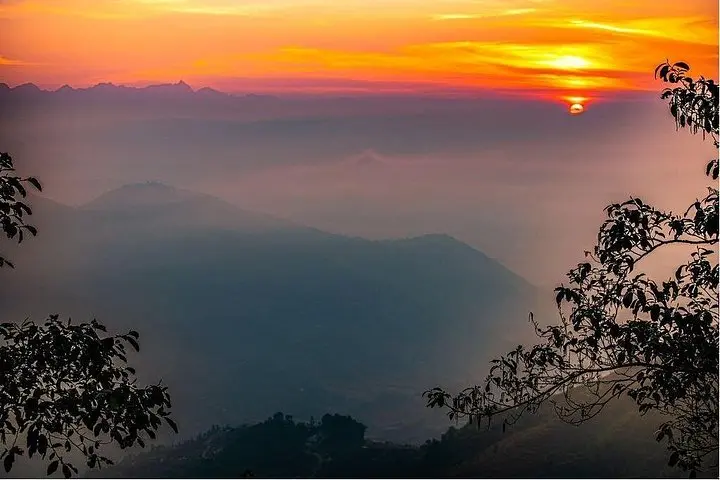
Walk ridgelines above Kathmandu on a four-day trek from Sundarijal to Nagarkot. Expect stone steps, tea‑house nights, and clear mountain sunrises over the Annapurna and Langtang ranges.
Walk ridgelines above Kathmandu on a four-day trek from Sundarijal to Nagarkot. Expect stone steps, tea‑house nights, and clear mountain sunrises over the Annapurna and Langtang ranges.
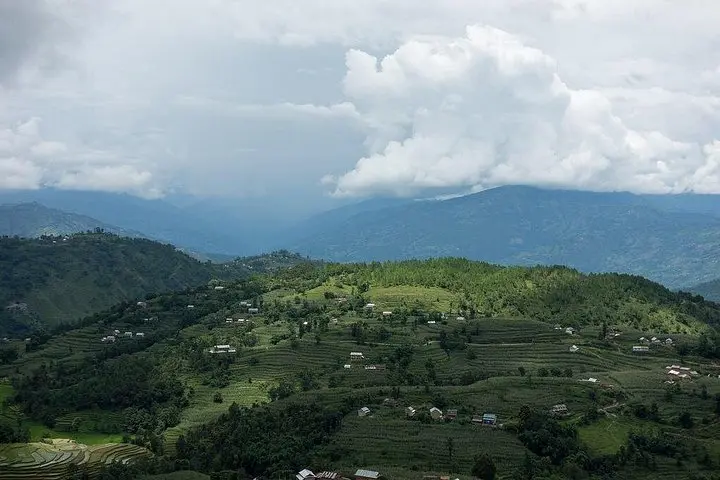
A cool pre-dawn hush hangs over the Kathmandu Valley as you leave the city and slip into the first lanes of forested trail toward Sundarijal. Stairs and packed earth pull you upwards through oak and rhododendron; the air carries wood smoke and the distant clatter of village life. By mid-morning the ridge opens and peaks of the Annapurna and Langtang ranges begin to climb into view, daring you to step higher.
Verified experiences and guided adventures in the surrounding area.
Operated by Trekking Organizer Company in Nepal · Nagarkot, Bagmati Province
A cool pre-dawn hush hangs over the Kathmandu Valley as you leave the city and slip into the first lanes of forested trail toward Sundarijal. Stairs and packed earth pull you upwards through oak and rhododendron; the air carries wood smoke and the distant clatter of village life. By mid-morning the ridge opens and peaks of the Annapurna and Langtang ranges begin to climb into view, daring you to step higher.
This multi-day route follows age-old footpaths that link valley villages and tea houses. Geologically you’re walking the active edge of the Himalaya — folded, uplifted rock that makes quick climbs and long vistas possible. Culturally the trail threads Newar and Tamang communities where small stone stupa and prayer flags mark local devotion and the economy of tea-house hospitality.
Expect 4 days of steady walking: day one climbs from Sundarijal to Chisapani (≈3–4 hours, ~800–900 m cumulative ascension from trailhead sections), day two continues to Nagarkot (≈5 hours), then Dhulikhel and a final vehicle return to Kathmandu. Terrain alternates stone steps, mixed singletrack, and farm tracks; wet-season sections get muddy. Nights are in tourist-standard tea houses with simple hot meals and shared rooms.
Practical edge: pace yourself on the long ascents, drink early and often, and layer for large daytime-morning temperature swings. A headlamp and basic first-aid cover typical small emergencies. With clear skies, sunrise from Nagarkot rewards the climb—a crisp, stinging light that makes the whole ridge feel alive.
No special trekking permits are required for the Chisapani–Nagarkot route, but standard national park or entry fees may apply if you detour into protected areas; your operator will advise.
Expect steady uphill sections with stone steps and 4–6 hour walking days; overall fitness and previous day-hiking experience make the route more enjoyable.
Overnights are in tourist-standard tea houses or small hotels offering shared rooms, basic hot meals, and simple amenities.
The route stays mostly in the mid-hill zone (circa 1,300–2,200 m), so severe altitude sickness is uncommon, but monitor for symptoms if you feel unwell and ascend conservatively.
Trekking Organizer Company in Nepal operates guided outdoor trips and adventures with an emphasis on safety, stewardship, and memorable experiences.
A cool pre-dawn hush hangs over the Kathmandu Valley as you leave the city and slip into the first lanes of forested trail toward Sundarijal. Stairs and packed earth pull you upwards through oak and rhododendron; the air carries wood smoke and the distant clatter of village life. By mid-morning the ridge opens and peaks of the Annapurna and Langtang ranges begin to climb into view, daring you to step higher.
A cool pre-dawn hush hangs over the Kathmandu Valley as you leave the city and slip into the first lanes of forested trail toward Sundarijal. Stairs and packed earth pull you upwards through oak and rhododendron; the air carries wood smoke and the distant clatter of village life. By mid-morning the ridge opens and peaks of the Annapurna and Langtang ranges begin to climb into view, daring you to step higher.
This multi-day route follows age-old footpaths that link valley villages and tea houses. Geologically you’re walking the active edge of the Himalaya — folded, uplifted rock that makes quick climbs and long vistas possible. Culturally the trail threads Newar and Tamang communities where small stone stupa and prayer flags mark local devotion and the economy of tea-house hospitality.
Expect 4 days of steady walking: day one climbs from Sundarijal to Chisapani (≈3–4 hours, ~800–900 m cumulative ascension from trailhead sections), day two continues to Nagarkot (≈5 hours), then Dhulikhel and a final vehicle return to Kathmandu. Terrain alternates stone steps, mixed singletrack, and farm tracks; wet-season sections get muddy. Nights are in tourist-standard tea houses with simple hot meals and shared rooms.
Practical edge: pace yourself on the long ascents, drink early and often, and layer for large daytime-morning temperature swings. A headlamp and basic first-aid cover typical small emergencies. With clear skies, sunrise from Nagarkot rewards the climb—a crisp, stinging light that makes the whole ridge feel alive.