THE ADVENTURE COLLECTIVE® · Independent discovery and booking for outdoor travel

Spend 90 minutes in a Lusaka cultural village learning about chitenge textiles, getting measured, and commissioning a made-to-order garment. This private experience connects you with local artisans and returns a wearable memento of Zambia.
Spend 90 minutes in a Lusaka cultural village learning about chitenge textiles, getting measured, and commissioning a made-to-order garment. This private experience connects you with local artisans and returns a wearable memento of Zambia.
You step off the sun-warmed road into a courtyard of color: bolts of chitenge folded like flags, women measuring fabric with sure hands, and the sharp scent of dye and woodsmoke in the air.
Verified experiences and guided adventures in the surrounding area.
Operated by Clare Malata · Lusaka, Lusaka Province
You step off the sun-warmed road into a courtyard of color: bolts of chitenge folded like flags, women measuring fabric with sure hands, and the sharp scent of dye and woodsmoke in the air.
This short, private workshop in Lusaka introduces passengers to the region’s most recognizable textile — the chitenge — worn across Zambia and neighboring countries as skirts, headwraps, and shirts. The village setting is informal but rooted in craft: many workshops trace techniques back through generations, combining locally woven cotton with patterns influenced by trade routes that crossed southern Africa. Geologically, Lusaka sits on undulating plateau soils that supported cotton cultivation historically; culturally, the chitenge became a canvas for local stories, political messages, and daily practicality.
Visitors receive full-body measurements, select prints, and commission a made-to-order garment that typically takes 5–7 days to complete. Expect a hands-on session: sampling fabrics, learning basic wrap styles, and talking with artisans about pattern meaning and care.
Practical guidance: budget local currency and small notes for purchase and tipping, allow time in your itinerary for the 5–7 day production window (many workshops will hold items for pickup or arrange shipping), and wear something comfortable for measurements. Photography is usually welcomed but ask before close-up shots of faces or work in progress. The experience is light on physical demand but rich in cultural exchange—ideal for travelers who want a tangible souvenir and a direct link to Zambian craft.
Most custom chitenge garments take about 5–7 days to sew after measurements; some workshops offer shipping for a fee or will hold the piece for pickup.
Yes — you typically select from a range of prints and colors on site; bespoke pattern work may incur extra cost.
Prices for made-to-order garments are often fixed by the workshop, but you can politely inquire about options or tiered pricing for different fabrics.
English is widely spoken in Lusaka and typically used with tourists; local artisans may also speak Nyanja, Bemba, or other regional languages.
Clare Malata operates guided outdoor trips and adventures with an emphasis on safety, stewardship, and memorable experiences.
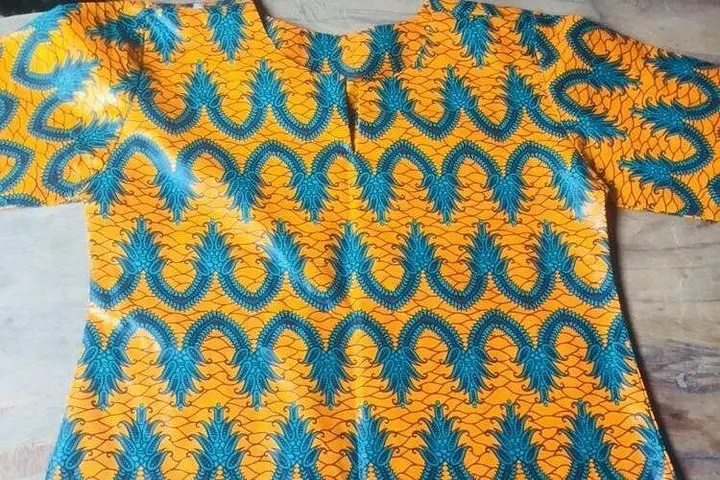
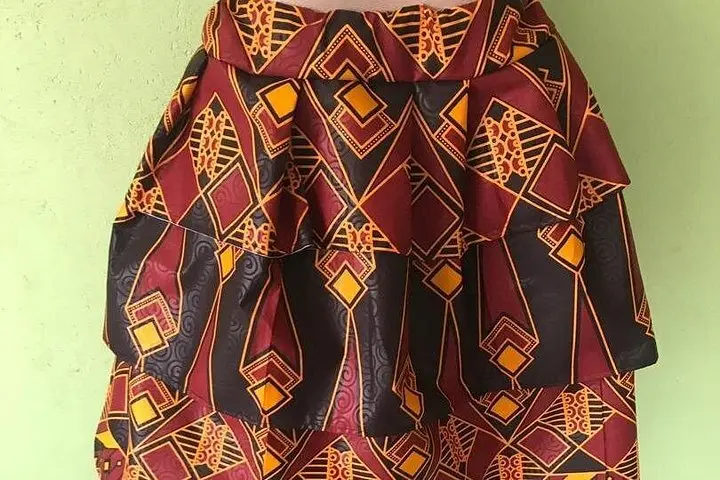
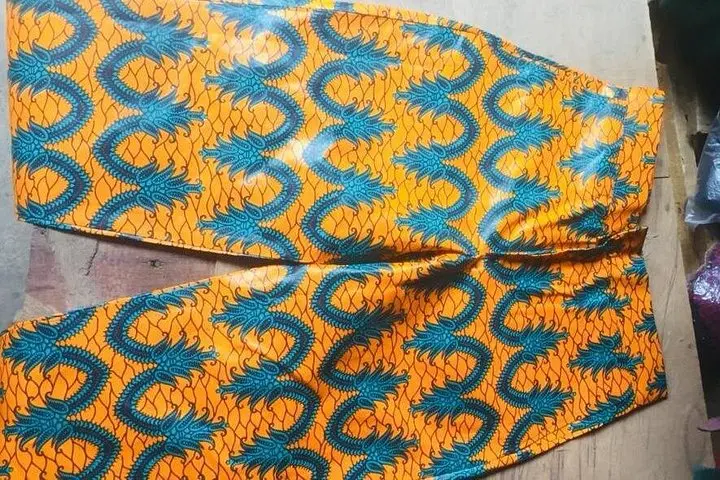
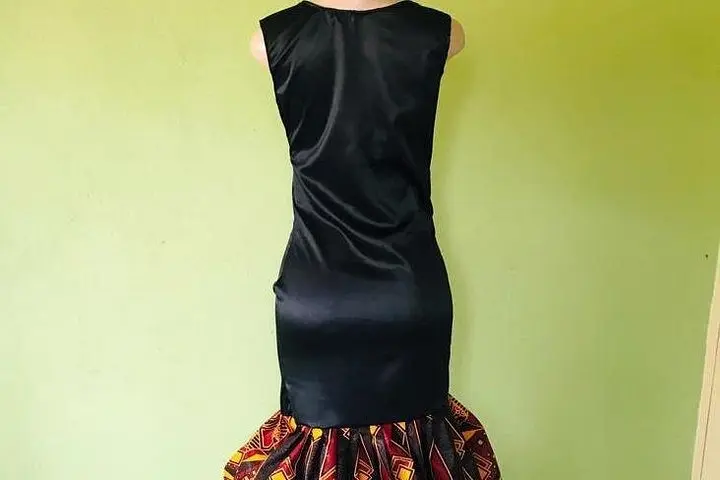
You step off the sun-warmed road into a courtyard of color: bolts of chitenge folded like flags, women measuring fabric with sure hands, and the sharp scent of dye and woodsmoke in the air.
You step off the sun-warmed road into a courtyard of color: bolts of chitenge folded like flags, women measuring fabric with sure hands, and the sharp scent of dye and woodsmoke in the air.
This short, private workshop in Lusaka introduces passengers to the region’s most recognizable textile — the chitenge — worn across Zambia and neighboring countries as skirts, headwraps, and shirts. The village setting is informal but rooted in craft: many workshops trace techniques back through generations, combining locally woven cotton with patterns influenced by trade routes that crossed southern Africa. Geologically, Lusaka sits on undulating plateau soils that supported cotton cultivation historically; culturally, the chitenge became a canvas for local stories, political messages, and daily practicality.
Visitors receive full-body measurements, select prints, and commission a made-to-order garment that typically takes 5–7 days to complete. Expect a hands-on session: sampling fabrics, learning basic wrap styles, and talking with artisans about pattern meaning and care.
Practical guidance: budget local currency and small notes for purchase and tipping, allow time in your itinerary for the 5–7 day production window (many workshops will hold items for pickup or arrange shipping), and wear something comfortable for measurements. Photography is usually welcomed but ask before close-up shots of faces or work in progress. The experience is light on physical demand but rich in cultural exchange—ideal for travelers who want a tangible souvenir and a direct link to Zambian craft.