THE ADVENTURE COLLECTIVE® · Independent discovery and booking for outdoor travel

A compact two-day escape from Kathmandu that pairs a 3–4 hour hill trek to Chitlang’s cultural sites with boating on Indrasarovar. Expect village homestays, carved temples, pear orchards and quiet reservoir waters.
A compact two-day escape from Kathmandu that pairs a 3–4 hour hill trek to Chitlang’s cultural sites with boating on Indrasarovar. Expect village homestays, carved temples, pear orchards and quiet reservoir waters.
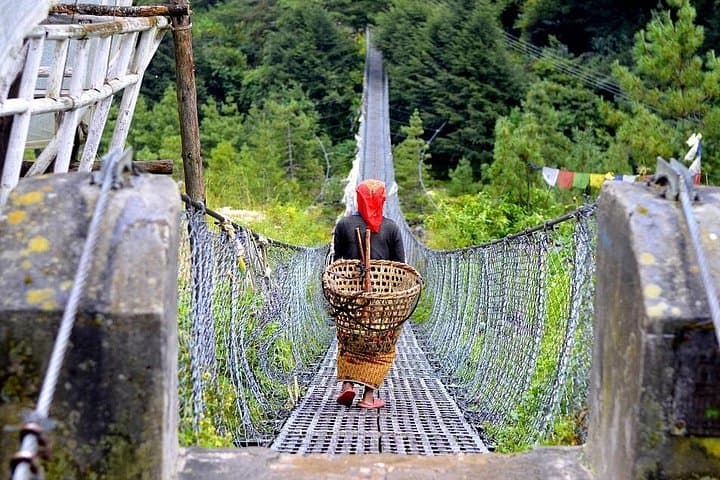
The trail begins with a road that loosens Kathmandu’s noise, then the hillside opens: terraced fields step down like folded pages and a cool wind pushes through pear trees. Walkers climb from Thankot along dry stone walls, passing centuries-old shrines and carved rest houses that mark old trade routes toward southern Nepal.
Verified experiences and guided adventures in the surrounding area.
Operated by Liberty Holidays · Chitlang, Bagmati Province
The trail begins with a road that loosens Kathmandu’s noise, then the hillside opens: terraced fields step down like folded pages and a cool wind pushes through pear trees. Walkers climb from Thankot along dry stone walls, passing centuries-old shrines and carved rest houses that mark old trade routes toward southern Nepal.
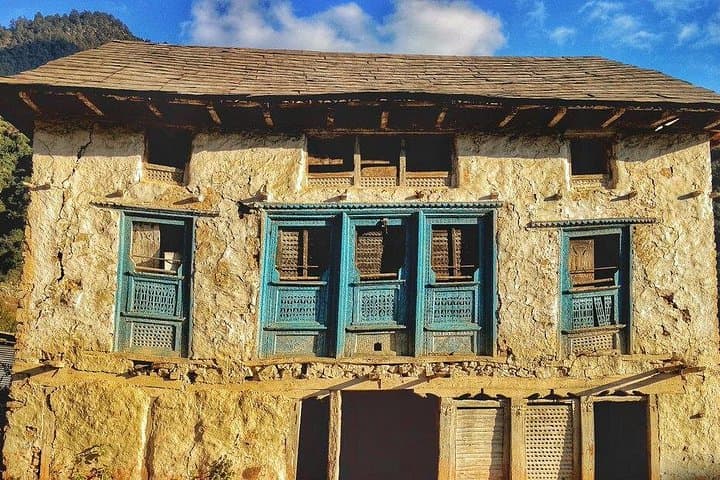
Chitlang sits on the edge of Kathmandu Valley and was once a foot route to India; its stone taps, wood carving and inscriptions speak to long local craft traditions. Geologically the ridge is younger Siwalik foothills—soft sandstone and conglomerate that yields easy, rolling ascents but can be slippery after rain. Culture here is tangible: Newari and Tamang settlements, a community-run organic village resort, and orchards where fruit trees press close to the path.
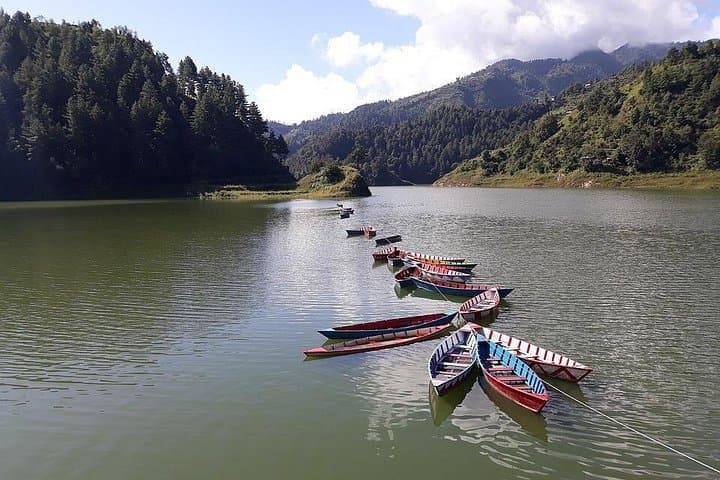
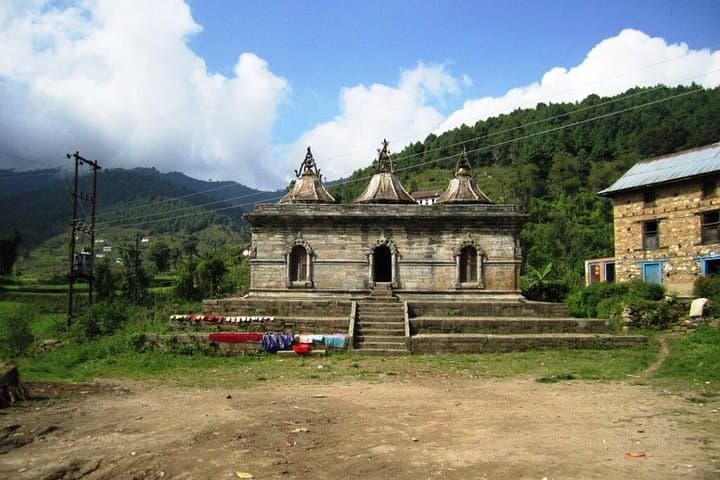
Day one is a steady 3–4 hour uphill with views into the valley, stops at Bhairav temple and Satdhara, and an evening by a local homestay. Day two drops roughly three hours to Indrasarovar (Kulekhani) — Nepal’s large man-made reservoir — where boating slows the trip into wide-water calm.
Practical edge: footwear with good traction, a rain layer, and steady water carry will cover this route; trails are well used but not paved. Expect basic village accommodation and home-cooked meals. Start early to avoid afternoon clouds and allow time for the 2-hour return drive; cell signal is patchy, cash is useful for small purchases, and leaving no trace supports these fragile foothill slopes.
Day one involves about 3–4 hours of uphill trekking from Thankot to Chitlang; day two is roughly 3 hours downhill to Indrasarovar before boating and the drive back.
Yes—guides rate it accessible for most fitness levels, though children should be comfortable walking several hours and families should prepare for basic village accommodation.
Yes—the tour includes breakfast, lunch and dinner as listed, plus twin/double shared accommodation at a local organic resort or similar.
Swimming is not recommended; the reservoir is used for hydropower and boating only—follow guide instructions and local rules.
Liberty Holidays operates guided outdoor trips and adventures with an emphasis on safety, stewardship, and memorable experiences.
The trail begins with a road that loosens Kathmandu’s noise, then the hillside opens: terraced fields step down like folded pages and a cool wind pushes through pear trees. Walkers climb from Thankot along dry stone walls, passing centuries-old shrines and carved rest houses that mark old trade routes toward southern Nepal.
The trail begins with a road that loosens Kathmandu’s noise, then the hillside opens: terraced fields step down like folded pages and a cool wind pushes through pear trees. Walkers climb from Thankot along dry stone walls, passing centuries-old shrines and carved rest houses that mark old trade routes toward southern Nepal.
Chitlang sits on the edge of Kathmandu Valley and was once a foot route to India; its stone taps, wood carving and inscriptions speak to long local craft traditions. Geologically the ridge is younger Siwalik foothills—soft sandstone and conglomerate that yields easy, rolling ascents but can be slippery after rain. Culture here is tangible: Newari and Tamang settlements, a community-run organic village resort, and orchards where fruit trees press close to the path.
Day one is a steady 3–4 hour uphill with views into the valley, stops at Bhairav temple and Satdhara, and an evening by a local homestay. Day two drops roughly three hours to Indrasarovar (Kulekhani) — Nepal’s large man-made reservoir — where boating slows the trip into wide-water calm.
Practical edge: footwear with good traction, a rain layer, and steady water carry will cover this route; trails are well used but not paved. Expect basic village accommodation and home-cooked meals. Start early to avoid afternoon clouds and allow time for the 2-hour return drive; cell signal is patchy, cash is useful for small purchases, and leaving no trace supports these fragile foothill slopes.