THE ADVENTURE COLLECTIVE® · Independent discovery and booking for outdoor travel

Drive from Udaipur to Chittorgarh Fort and walk through centuries of Mewar history, climbing the Vijay Stambh and exploring palaces and temples before a drop at Pushkar. Practical tips on timing, terrain and what to bring to make the most of an eight‑hour day.
Drive from Udaipur to Chittorgarh Fort and walk through centuries of Mewar history, climbing the Vijay Stambh and exploring palaces and temples before a drop at Pushkar. Practical tips on timing, terrain and what to bring to make the most of an eight‑hour day.
You begin on a cool morning in Udaipur, slipping into an air‑conditioned car as the city’s lakes fade behind you and the plain opens toward the low, scrubby hills of Chittorgarh. The road rises until the stone mass of Chittorgarh Fort appears—a crenellated ridge cutting the skyline—inviting you to climb into its story.
Verified experiences and guided adventures in the surrounding area.
Operated by Jee Tours · Chittorgarh, Rajasthan
You begin on a cool morning in Udaipur, slipping into an air‑conditioned car as the city’s lakes fade behind you and the plain opens toward the low, scrubby hills of Chittorgarh. The road rises until the stone mass of Chittorgarh Fort appears—a crenellated ridge cutting the skyline—inviting you to climb into its story.
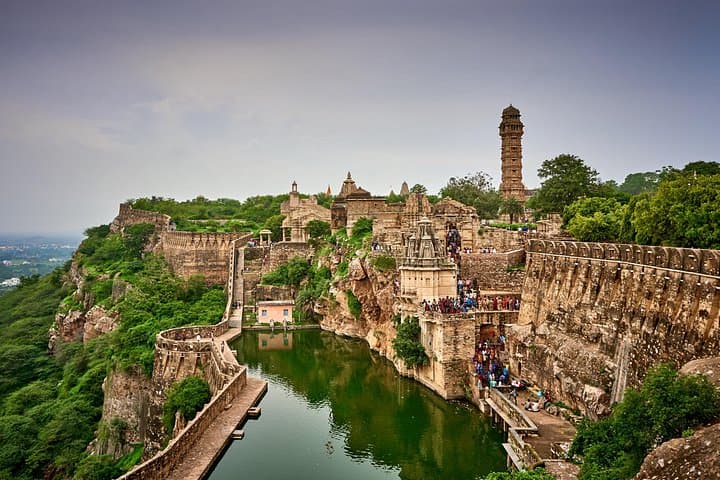
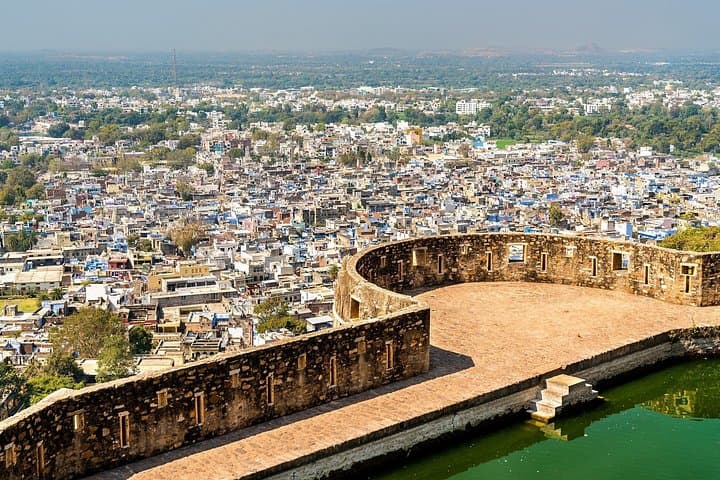
Perched on a 180‑meter hill and spread across nearly 692 acres, the fort was the political heart of Mewar for centuries. Its red sandstone walls hold the Vijay Stambh (Tower of Victory), raised by Rana Kumbha in 1448, along with palaces, temples and gateways that mark cycles of sieges, devotion and sacrifice—most famously the episodes of 1303 and later battles that shaped regional culture.
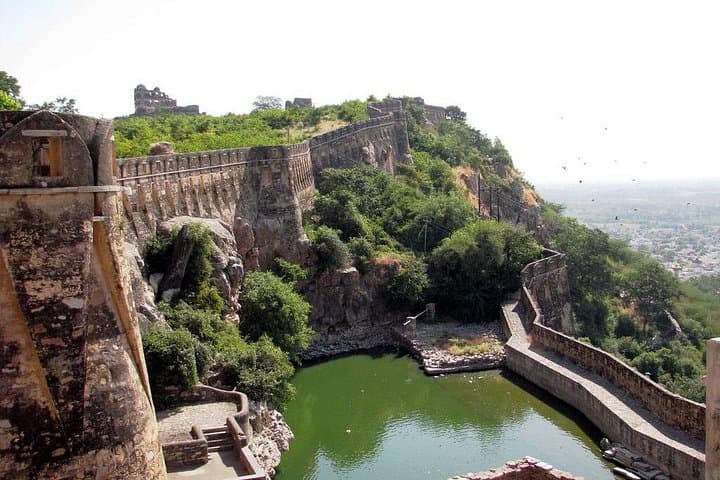
Geologically the fort occupies resistant sandstone outcrops that weather into sheer faces and stepped terraces; culturally it’s a living archive of Rajput architecture and ritual, with inscriptions and sculpted niches visible on tighter passages. The environment is hot and dry much of the year, punctuated by scrub and neem trees that shade worn stone steps.
Practically: allow 2–3 hours to move through major monuments, wear grippy shoes for uneven stairs, and carry water—the climb to Vijay Stambh involves narrow, steep staircases with tight turns. Photography is rewarding at mid‑morning or late afternoon when relief on carvings sharpens. Guides can add historical depth and help navigate entry points; the tour ends with a drop at Pushkar, extending your travel day but linking two classic Rajasthan experiences.
The drive takes about 2–2.5 hours each way depending on traffic; the full itinerary is an 8‑hour day including stops and drop at Pushkar.
Some tour options include entry; check your booking choice—guides can usually help arrange tickets on arrival if not pre‑booked.
Much of the fort involves steep, narrow stone stairs and uneven ground; accessibility is limited to lower courtyards and gates.
Yes—licensed local guides are available and add historical context; some tour packages include a professional guide as an option.
Jee Tours operates guided outdoor trips and adventures with an emphasis on safety, stewardship, and memorable experiences.

You begin on a cool morning in Udaipur, slipping into an air‑conditioned car as the city’s lakes fade behind you and the plain opens toward the low, scrubby hills of Chittorgarh. The road rises until the stone mass of Chittorgarh Fort appears—a crenellated ridge cutting the skyline—inviting you to climb into its story.
You begin on a cool morning in Udaipur, slipping into an air‑conditioned car as the city’s lakes fade behind you and the plain opens toward the low, scrubby hills of Chittorgarh. The road rises until the stone mass of Chittorgarh Fort appears—a crenellated ridge cutting the skyline—inviting you to climb into its story.
Perched on a 180‑meter hill and spread across nearly 692 acres, the fort was the political heart of Mewar for centuries. Its red sandstone walls hold the Vijay Stambh (Tower of Victory), raised by Rana Kumbha in 1448, along with palaces, temples and gateways that mark cycles of sieges, devotion and sacrifice—most famously the episodes of 1303 and later battles that shaped regional culture.
Geologically the fort occupies resistant sandstone outcrops that weather into sheer faces and stepped terraces; culturally it’s a living archive of Rajput architecture and ritual, with inscriptions and sculpted niches visible on tighter passages. The environment is hot and dry much of the year, punctuated by scrub and neem trees that shade worn stone steps.
Practically: allow 2–3 hours to move through major monuments, wear grippy shoes for uneven stairs, and carry water—the climb to Vijay Stambh involves narrow, steep staircases with tight turns. Photography is rewarding at mid‑morning or late afternoon when relief on carvings sharpens. Guides can add historical depth and help navigate entry points; the tour ends with a drop at Pushkar, extending your travel day but linking two classic Rajasthan experiences.