THE ADVENTURE COLLECTIVE® · Independent discovery and booking for outdoor travel

Experience Chitwan National Park in a compact 2‑night, 3‑day program of jeep safaris, dugout canoe trips and guided birdwatching. Early starts, river edges and Tharu cultural evenings deliver concentrated wildlife viewing and practical insight into the Terai.
Experience Chitwan National Park in a compact 2‑night, 3‑day program of jeep safaris, dugout canoe trips and guided birdwatching. Early starts, river edges and Tharu cultural evenings deliver concentrated wildlife viewing and practical insight into the Terai.
Morning mist lifts off the Rapti River as a dugout canoe cuts a narrow wake; the bank holds a mottled line of gharials basking in sun, and somewhere deeper a one‑horned rhino snuffles through tall grass. That first-hour hush in Chitwan National Park sets the tone for a 2‑night, 3‑day program that mixes jeep safaris, guided nature walks, canoe rides and village visits.
Verified experiences and guided adventures in the surrounding area.
Operated by Oriental Journeys · Sauraha, Chitwan District
Morning mist lifts off the Rapti River as a dugout canoe cuts a narrow wake; the bank holds a mottled line of gharials basking in sun, and somewhere deeper a one‑horned rhino snuffles through tall grass. That first-hour hush in Chitwan National Park sets the tone for a 2‑night, 3‑day program that mixes jeep safaris, guided nature walks, canoe rides and village visits.
Created in 1973 to protect lowland Terai forest and grassland, Chitwan sits on an alluvial plain where river channels sculpt oxbow lakes and marshes. The park’s mosaic of Sal forest, tall grassland and wetlands supports over 400 bird species, the world’s remaining gharial populations, and the iconic Indian one‑horned rhinoceros; tigers still traverse the park’s interior, though sightings are rare and require patience.
Culturally, the Tharu people have long managed floodplain resources; local lodges and cultural programs offer an accessible introduction to their music and rice‑farming practices. Geologically, the flat Terai was once river floodplain—expect soft, silty trails and seasonal water channels that change the landscape between dry and monsoon seasons.
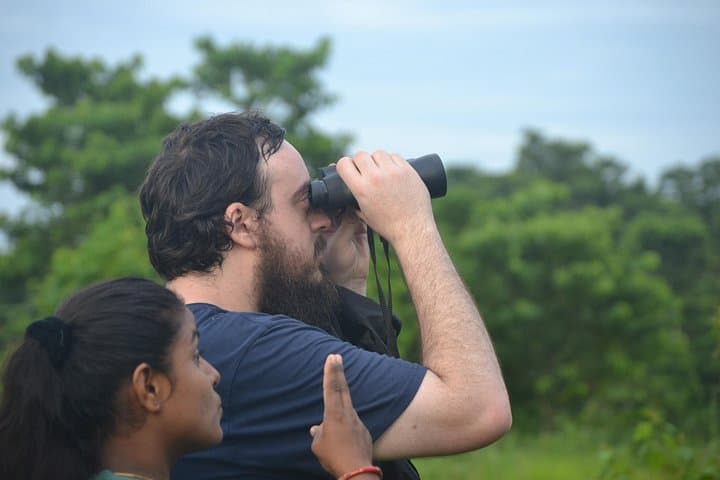
Practical guidance: plan early‑morning canoe and birding sessions for highest wildlife activity, and schedule jeep safaris for late afternoon when rhinos and deer move into clearings. Wear sturdy, quick‑dry shoes for sandy riverbanks and bring insect protection and sun layers. Respect park rules: keep distance from large mammals, follow guides’ directions, and avoid single excursions after dusk. With a modest level of fitness and common‑sense wildlife etiquette, this short expedition offers concentrated wildlife viewing and a clear window into Terai ecology and Tharu culture.
October through March (post‑monsoon and winter) offer lower water levels, good visibility and high bird activity; April–June can be hot but good for reptiles, while the monsoon (June–September) brings lush vegetation and higher mosquito activity.
Tigers are present but elusive—sightings occur but are not guaranteed; jeep safaris increase odds in open grasslands, though rhinos and deer are more commonly seen.
Yes—canoe rides on the Rapti are conducted by experienced guides who maintain safe distances; gharials are fish‑eating and generally non‑aggressive, but follow your guide’s instructions at all times.
Up‑to‑date routine vaccinations are recommended; check for typhoid and hepatitis A/B advice and bring antimalarial precautions if advised by your doctor—carry any personal meds and a basic first‑aid kit.
Oriental Journeys operates guided outdoor trips and adventures with an emphasis on safety, stewardship, and memorable experiences.
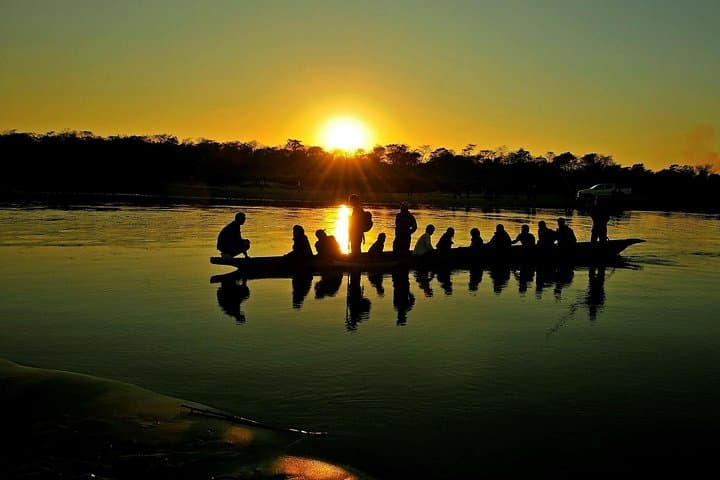


Morning mist lifts off the Rapti River as a dugout canoe cuts a narrow wake; the bank holds a mottled line of gharials basking in sun, and somewhere deeper a one‑horned rhino snuffles through tall grass. That first-hour hush in Chitwan National Park sets the tone for a 2‑night, 3‑day program that mixes jeep safaris, guided nature walks, canoe rides and village visits.
Morning mist lifts off the Rapti River as a dugout canoe cuts a narrow wake; the bank holds a mottled line of gharials basking in sun, and somewhere deeper a one‑horned rhino snuffles through tall grass. That first-hour hush in Chitwan National Park sets the tone for a 2‑night, 3‑day program that mixes jeep safaris, guided nature walks, canoe rides and village visits.
Created in 1973 to protect lowland Terai forest and grassland, Chitwan sits on an alluvial plain where river channels sculpt oxbow lakes and marshes. The park’s mosaic of Sal forest, tall grassland and wetlands supports over 400 bird species, the world’s remaining gharial populations, and the iconic Indian one‑horned rhinoceros; tigers still traverse the park’s interior, though sightings are rare and require patience.
Culturally, the Tharu people have long managed floodplain resources; local lodges and cultural programs offer an accessible introduction to their music and rice‑farming practices. Geologically, the flat Terai was once river floodplain—expect soft, silty trails and seasonal water channels that change the landscape between dry and monsoon seasons.
Practical guidance: plan early‑morning canoe and birding sessions for highest wildlife activity, and schedule jeep safaris for late afternoon when rhinos and deer move into clearings. Wear sturdy, quick‑dry shoes for sandy riverbanks and bring insect protection and sun layers. Respect park rules: keep distance from large mammals, follow guides’ directions, and avoid single excursions after dusk. With a modest level of fitness and common‑sense wildlife etiquette, this short expedition offers concentrated wildlife viewing and a clear window into Terai ecology and Tharu culture.