THE ADVENTURE COLLECTIVE® · Independent discovery and booking for outdoor travel

Slip a canoe into the Rapti at dawn and watch Chitwan come alive on a 2–3 day private safari from Kathmandu. Early morning river rides, guided walks, an elephant breeding center visit and a jeep safari combine wildlife viewing with Tharu cultural experiences.
Slip a canoe into the Rapti at dawn and watch Chitwan come alive on a 2–3 day private safari from Kathmandu. Early morning river rides, guided walks, an elephant breeding center visit and a jeep safari combine wildlife viewing with Tharu cultural experiences.
Dawn presses cool fingers across the Rapti River as a wooden canoe parts the glassy water and the jungle wakes around you. Birds declare territory in clipped calls, the river nudges the sandbanks, and distant hooves may be the first sign of a greater silhouette moving through tall grass. This is Chitwan National Park from river level: intimate, humid, and alert.
Verified experiences and guided adventures in the surrounding area.
Operated by Rainbow Adventure Treks & Tours · Sauraha, Bagmati Province
Dawn presses cool fingers across the Rapti River as a wooden canoe parts the glassy water and the jungle wakes around you. Birds declare territory in clipped calls, the river nudges the sandbanks, and distant hooves may be the first sign of a greater silhouette moving through tall grass. This is Chitwan National Park from river level: intimate, humid, and alert.
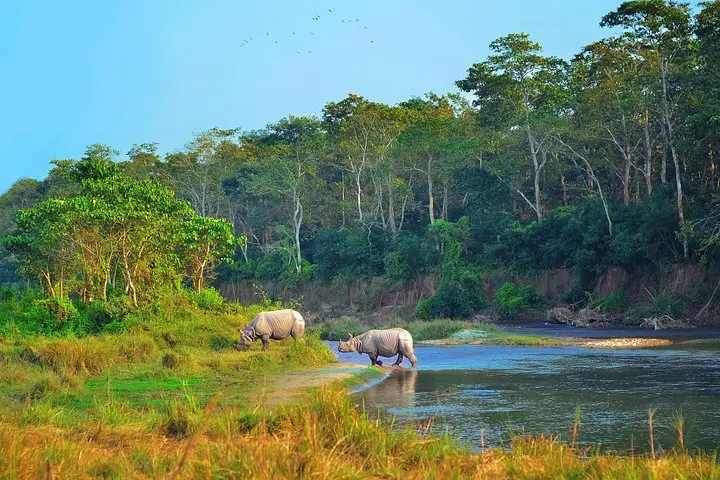
Established in 1973 as Nepal's first national park and later a UNESCO World Heritage site, Chitwan protects lowland Terai floodplain shaped by the Narayani and Rapti rivers. The landscape is simple geology—rich alluvial flats, river channels, and sal-dominated forest—that supports one-horned rhinos, gharials and a dense birdlife. The Tharu people have long lived along these rivers; their village dances and homestead crafts are part of the itinerary and provide cultural context to the wildlife story.
Over three days expect a rhythm of early-morning canoe trips, guided nature walks, a visit to the Elephant Breeding Center, and a jeep safari that pushes deeper into grassy clearings. Wildlife sightings are never guaranteed—rhinos and crocodiles are more reliable than tigers—but the sensory payoff is high: damp earth, insect chorus, and sudden bird flurries.
Practical notes: mornings are best for wildlife; carry insect repellent, binoculars, and a daylight camera with a zoom. Wear quick-drying clothes and sturdy shoes for riverbank walks. The tour uses lodge accommodation with meals and coach transfers included; bring small cash for tips and village purchases. Respect park rules, keep distance from animals, and follow guides' instructions—your safety and the animals' welfare depend on it.
The dry season from October to March offers clearer trails and higher visibility; early mornings during any season are the best time for sightings.
Yes—this private tour accommodates families; activities are generally low-impact but check age-specific policies for canoeing and jeep safaris with the operator.
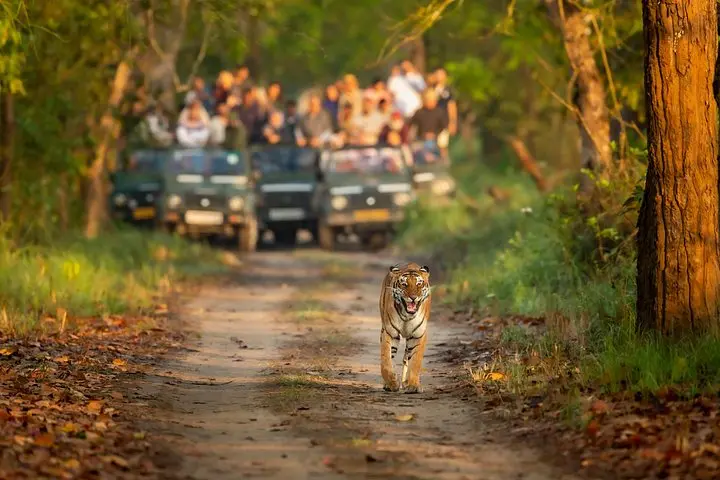
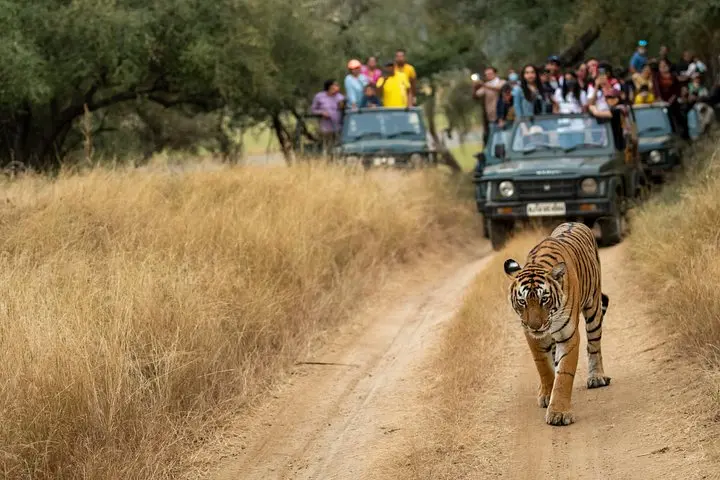
Tiger sightings are rare; rhinos, deer and crocodiles are more commonly seen. Tigers occur but remain elusive—viewing depends on luck and timing.
Ensure routine vaccinations are current and consult a travel clinic about tetanus and any recommended travel vaccines; bring anti-diarrheal medication and maintain hydration.
Rainbow Adventure Treks & Tours operates guided outdoor trips and adventures with an emphasis on safety, stewardship, and memorable experiences.
Dawn presses cool fingers across the Rapti River as a wooden canoe parts the glassy water and the jungle wakes around you. Birds declare territory in clipped calls, the river nudges the sandbanks, and distant hooves may be the first sign of a greater silhouette moving through tall grass. This is Chitwan National Park from river level: intimate, humid, and alert.
Dawn presses cool fingers across the Rapti River as a wooden canoe parts the glassy water and the jungle wakes around you. Birds declare territory in clipped calls, the river nudges the sandbanks, and distant hooves may be the first sign of a greater silhouette moving through tall grass. This is Chitwan National Park from river level: intimate, humid, and alert.
Established in 1973 as Nepal's first national park and later a UNESCO World Heritage site, Chitwan protects lowland Terai floodplain shaped by the Narayani and Rapti rivers. The landscape is simple geology—rich alluvial flats, river channels, and sal-dominated forest—that supports one-horned rhinos, gharials and a dense birdlife. The Tharu people have long lived along these rivers; their village dances and homestead crafts are part of the itinerary and provide cultural context to the wildlife story.
Over three days expect a rhythm of early-morning canoe trips, guided nature walks, a visit to the Elephant Breeding Center, and a jeep safari that pushes deeper into grassy clearings. Wildlife sightings are never guaranteed—rhinos and crocodiles are more reliable than tigers—but the sensory payoff is high: damp earth, insect chorus, and sudden bird flurries.
Practical notes: mornings are best for wildlife; carry insect repellent, binoculars, and a daylight camera with a zoom. Wear quick-drying clothes and sturdy shoes for riverbank walks. The tour uses lodge accommodation with meals and coach transfers included; bring small cash for tips and village purchases. Respect park rules, keep distance from animals, and follow guides' instructions—your safety and the animals' welfare depend on it.