THE ADVENTURE COLLECTIVE® · Independent discovery and booking for outdoor travel

Spend three days in Chitwan National Park on jeep safaris, guided jungle walks and early-morning birding from Sauraha. This compact itinerary combines wildlife-focused drives with local culture and river-edge nature watching.
Spend three days in Chitwan National Park on jeep safaris, guided jungle walks and early-morning birding from Sauraha. This compact itinerary combines wildlife-focused drives with local culture and river-edge nature watching.
You step off the jeep into heat that smells of wet earth and grass; the Rapti River threads the edge of the clearing and the park’s tall sal and riverine forest watches you. On a 2-night, 3-day Chitwan safari out of Sauraha the rhythm is deliberate—early mornings for birdsong and late afternoons when animals move toward water—so each day feels like a careful negotiation with the jungle.
Verified experiences and guided adventures in the surrounding area.
Operated by Swami Narayan Travels Pvt Ltd · Sauraha, Chitwan District
You step off the jeep into heat that smells of wet earth and grass; the Rapti River threads the edge of the clearing and the park’s tall sal and riverine forest watches you. On a 2-night, 3-day Chitwan safari out of Sauraha the rhythm is deliberate—early mornings for birdsong and late afternoons when animals move toward water—so each day feels like a careful negotiation with the jungle.
Chitwan National Park, established in 1973 as Nepal’s first national park, protects Terai lowland habitat—broad floodplains, oxbow lakes and dense sal forest—lying roughly 100–200 m above sea level. The park’s geology is recent alluvial deposits from Himalayan rivers; the terrain is flat but can be muddy after monsoon. Local Tharu communities have long coexisted with the landscape and their cultural visits and museum exhibits explain hunting traditions and rice-farming adaptations.
On this itinerary expect jeep safaris that cover 10–40 km across park tracks, guided nature walks of 2–6 km on beaten trails, and river-edge birding for kingfishers, egrets and migratory waterfowl. Rhino and deer are commonly sighted; tigers and sloth bears are present but elusive. Guides balance safety with wildlife etiquette—quiet observation, keeping distance, and minimizing flash photography.
Practical tips: travel light, plan early starts to avoid heat and insect activity, carry water and good walking shoes, and bring binoculars for birding. The area is accessible from Bharatpur or a short bus/drive to Sauraha; accommodations here are basic at the two-star level, and most operators include meals, transfers and park entrance.
Sauraha is reachable by road from Bharatpur (about 30–45 minutes) or via a bus from Kathmandu; many tours include private transfers from the bus or airport.
This itinerary lists park entrance fees as included, but always confirm with the operator before travel.
Tigers are present but rare to spot; jeep safaris improve chances for rhino, deer and abundant birdlife but large predator sightings are unpredictable.
The tour notes suitability for all fitness levels; jeep safaris are accessible but some nature walks may be uneven—ask the operator about specific mobility needs.
Swami Narayan Travels Pvt Ltd operates guided outdoor trips and adventures with an emphasis on safety, stewardship, and memorable experiences.
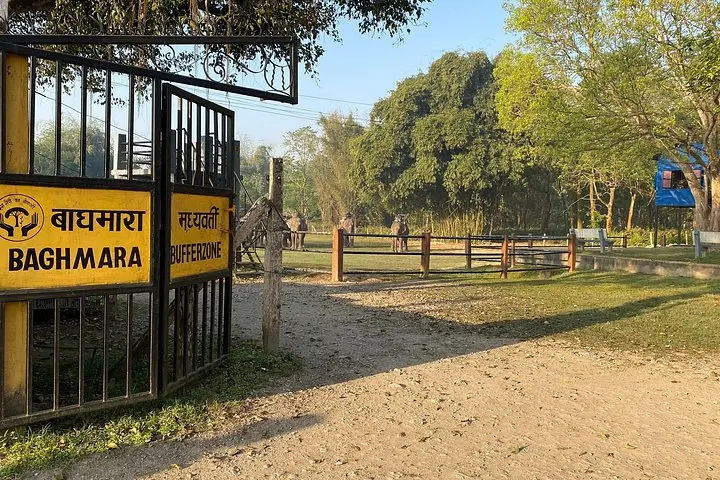
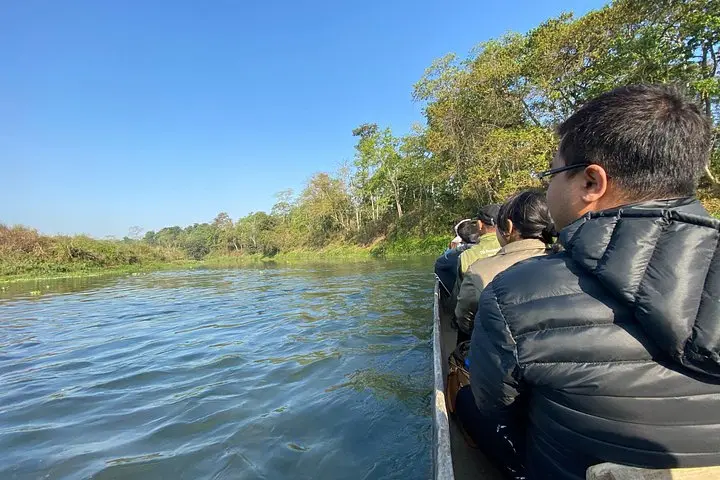
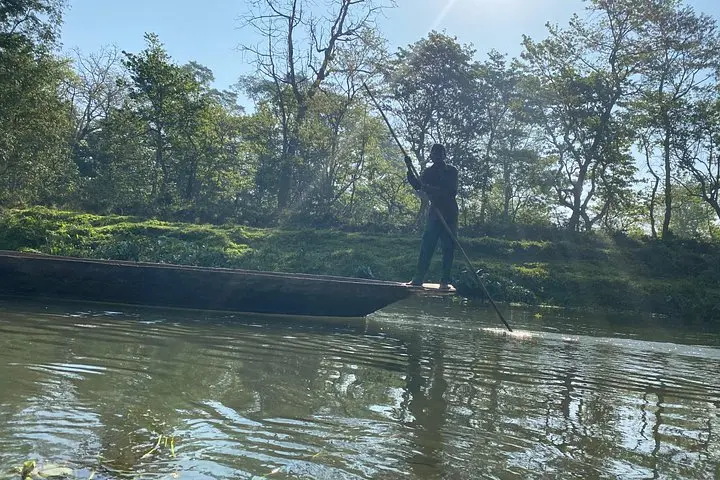
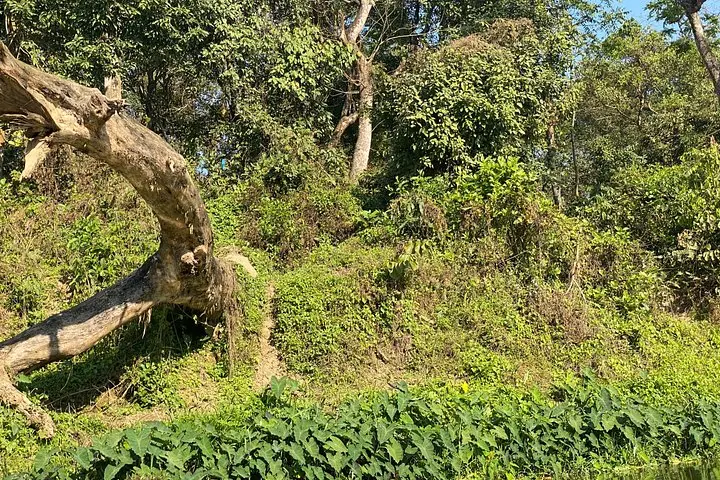
You step off the jeep into heat that smells of wet earth and grass; the Rapti River threads the edge of the clearing and the park’s tall sal and riverine forest watches you. On a 2-night, 3-day Chitwan safari out of Sauraha the rhythm is deliberate—early mornings for birdsong and late afternoons when animals move toward water—so each day feels like a careful negotiation with the jungle.
You step off the jeep into heat that smells of wet earth and grass; the Rapti River threads the edge of the clearing and the park’s tall sal and riverine forest watches you. On a 2-night, 3-day Chitwan safari out of Sauraha the rhythm is deliberate—early mornings for birdsong and late afternoons when animals move toward water—so each day feels like a careful negotiation with the jungle.
Chitwan National Park, established in 1973 as Nepal’s first national park, protects Terai lowland habitat—broad floodplains, oxbow lakes and dense sal forest—lying roughly 100–200 m above sea level. The park’s geology is recent alluvial deposits from Himalayan rivers; the terrain is flat but can be muddy after monsoon. Local Tharu communities have long coexisted with the landscape and their cultural visits and museum exhibits explain hunting traditions and rice-farming adaptations.
On this itinerary expect jeep safaris that cover 10–40 km across park tracks, guided nature walks of 2–6 km on beaten trails, and river-edge birding for kingfishers, egrets and migratory waterfowl. Rhino and deer are commonly sighted; tigers and sloth bears are present but elusive. Guides balance safety with wildlife etiquette—quiet observation, keeping distance, and minimizing flash photography.
Practical tips: travel light, plan early starts to avoid heat and insect activity, carry water and good walking shoes, and bring binoculars for birding. The area is accessible from Bharatpur or a short bus/drive to Sauraha; accommodations here are basic at the two-star level, and most operators include meals, transfers and park entrance.