THE ADVENTURE COLLECTIVE® · Independent discovery and booking for outdoor travel

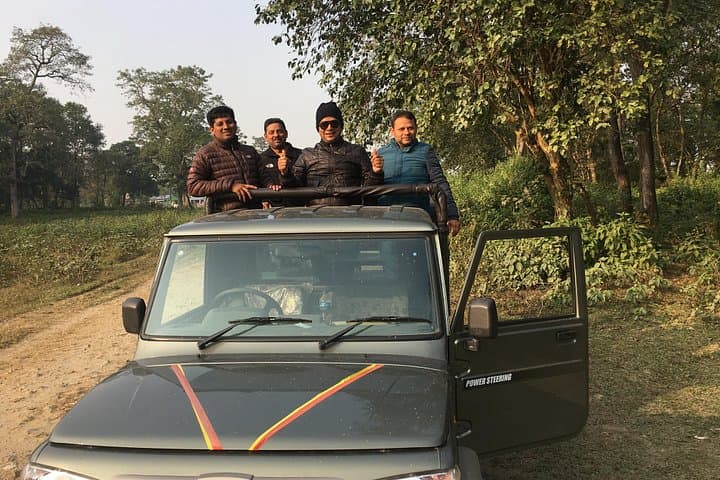
Trade Kathmandu’s streets for Rapti River mornings and grassland safaris. This 2–4 day Chitwan adventure combines jeep drives, canoe birding, jungle walks, and Tharu cultural visits for a close-to-nature Nepal experience.
Trade Kathmandu’s streets for Rapti River mornings and grassland safaris. This 2–4 day Chitwan adventure combines jeep drives, canoe birding, jungle walks, and Tharu cultural visits for a close-to-nature Nepal experience.
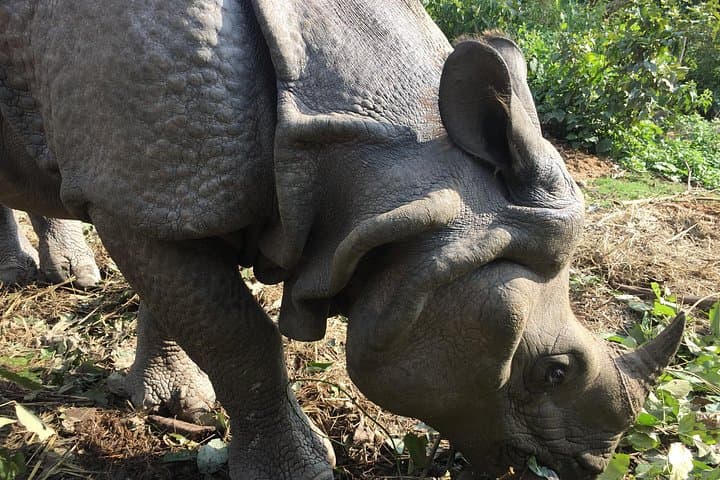
Early light washes the Sal forest in a cool, green hush as the Rapti River nudges the shoreline—its current daring you to slow down and look. In Sauraha, guides meet guests who trade city noise for calls of peafowl and the distant grunt of a one-horned rhinoceros.
Verified experiences and guided adventures in the surrounding area.
Operated by Nepal Mountain Club Pvt Ltd · Sauraha, Bagmati Province
Early light washes the Sal forest in a cool, green hush as the Rapti River nudges the shoreline—its current daring you to slow down and look. In Sauraha, guides meet guests who trade city noise for calls of peafowl and the distant grunt of a one-horned rhinoceros.
Chitwan National Park sits on Nepal’s Terai plain, roughly 100–200 m above sea level, where alluvial soils feed tall grasslands and mixed Sal forest. The park, established in 1973, protects species shaped by the lowland river system: gharials bask on sandbanks while herons quarter the shallows. Human culture here is inseparable from the landscape; the Tharu people have farmed and moved through these floodplains for centuries and their stick dances and village homestays are a direct window into local life.
Expect a mix of terrain—short jungle tracks (3–6 km on guided walks), open grassland traversed by jeep across tens of kilometers, and a restorative 30-minute canoe glide on the Rapti for close birding and crocodile sightings. Wildlife sightings are opportunistic: rhino and deer are common, tiger and sloth bear possible but rare.
Practical guidance: schedule morning and late-afternoon safaris when animals are most active; wear lightweight, long-sleeve layers, closed hiking shoes, and insect repellent; carry 2–3 liters of water and binoculars. Avoid monsoon months for road and trail conditions; if traveling in wet season, expect muddy jeep tracks and limited river visibility. With a licensed guide and basic fitness, this 2–4 day itinerary balances cultural encounters with purposeful wildlife time—an accessible, grounded way to experience Chitwan’s wild lowlands.
Typical canoe rides are about 30 minutes along the Rapti River and are excellent for birdwatching and spotting marsh mugger crocodiles and occasionally the gharial.
Park entrance and conservation fees are usually included by licensed tour operators, but confirm when booking and keep your permit details handy.
No—sightings are never guaranteed; rhinos and deer are common but tigers and sloth bears are rare and sightings depend on luck and timing.
Routine vaccinations are advised, plus tetanus and hepatitis A; consult a travel clinic for malaria prophylaxis options depending on season and itinerary.
Nepal Mountain Club Pvt Ltd operates guided outdoor trips and adventures with an emphasis on safety, stewardship, and memorable experiences.
Early light washes the Sal forest in a cool, green hush as the Rapti River nudges the shoreline—its current daring you to slow down and look. In Sauraha, guides meet guests who trade city noise for calls of peafowl and the distant grunt of a one-horned rhinoceros.
Early light washes the Sal forest in a cool, green hush as the Rapti River nudges the shoreline—its current daring you to slow down and look. In Sauraha, guides meet guests who trade city noise for calls of peafowl and the distant grunt of a one-horned rhinoceros.
Chitwan National Park sits on Nepal’s Terai plain, roughly 100–200 m above sea level, where alluvial soils feed tall grasslands and mixed Sal forest. The park, established in 1973, protects species shaped by the lowland river system: gharials bask on sandbanks while herons quarter the shallows. Human culture here is inseparable from the landscape; the Tharu people have farmed and moved through these floodplains for centuries and their stick dances and village homestays are a direct window into local life.
Expect a mix of terrain—short jungle tracks (3–6 km on guided walks), open grassland traversed by jeep across tens of kilometers, and a restorative 30-minute canoe glide on the Rapti for close birding and crocodile sightings. Wildlife sightings are opportunistic: rhino and deer are common, tiger and sloth bear possible but rare.
Practical guidance: schedule morning and late-afternoon safaris when animals are most active; wear lightweight, long-sleeve layers, closed hiking shoes, and insect repellent; carry 2–3 liters of water and binoculars. Avoid monsoon months for road and trail conditions; if traveling in wet season, expect muddy jeep tracks and limited river visibility. With a licensed guide and basic fitness, this 2–4 day itinerary balances cultural encounters with purposeful wildlife time—an accessible, grounded way to experience Chitwan’s wild lowlands.