THE ADVENTURE COLLECTIVE® · Independent discovery and booking for outdoor travel

A full-day crossing from Livingstone into Chobe National Park that pairs a Zambezi speedboat transfer with morning and afternoon game drives. Expect close river wildlife, big herds of elephant, and an accessible, guided safari experience.
A full-day crossing from Livingstone into Chobe National Park that pairs a Zambezi speedboat transfer with morning and afternoon game drives. Expect close river wildlife, big herds of elephant, and an accessible, guided safari experience.
Dawn finds the convoy leaving Livingstone as the Zambezi glows like a ribbon of oil. By 7:00 a.m. you’re heading for the Kazungula crossing, boarding a speedboat that slices the river and deposits you on the banks of Chobe National Park — a landscape where water dares the savanna to keep its secrets.
Verified experiences and guided adventures in the surrounding area.
Operated by Brian S Travel and Tours · Livingstone, Southern Province
Dawn finds the convoy leaving Livingstone as the Zambezi glows like a ribbon of oil. By 7:00 a.m. you’re heading for the Kazungula crossing, boarding a speedboat that slices the river and deposits you on the banks of Chobe National Park — a landscape where water dares the savanna to keep its secrets.
Chobe’s floodplain is shaped by seasonal pulses: sediment and silt build low meadows that feed dense riverine woodlands and attract huge concentrations of elephant. The park’s history is written in human layers too — local Tswana communities, colonial-era hunting reserves turned conservation areas — and the river remains a cultural and economic lifeline for towns on both banks.
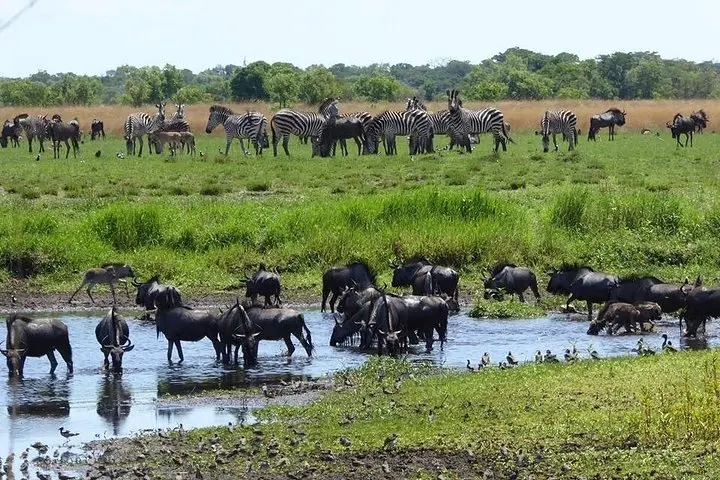
The day pairs a morning river drive with an after-lunch game drive, offering complementary views: the boat reveals hippos and crocodiles up close, the 4x4 opens wide savanna where lions, buffalo, and elephant roam. Expect sandy tracks, short grass plains, and shaded riparian corridors punctuated by baobabs and fever trees.
Practicalities matter: passport and visa rules at Kazungula, insect protection, layered sun clothing, and a good telephoto will keep you comfortable and reactive. Lunch at Chobe Safari Lodge breaks the day, then a final drive pushes into quieter territory as golden hour tightens sightlines and animal activity spikes.
For photographers and first-time safari-goers this itinerary is compact and accessible — it packages two distinct animal-viewing environments in one full day. Respect park rules, follow your guide’s instructions, and you’ll come away with strong sightings, sharper fieldcraft, and a clear sense of why the Chobe riverbank is one of southern Africa’s most electric wildlife stages.
Visa requirements depend on your nationality; check both Zambian and Botswanan entry rules and carry your passport—guides will help at Kazungula but travelers must have proper documents.
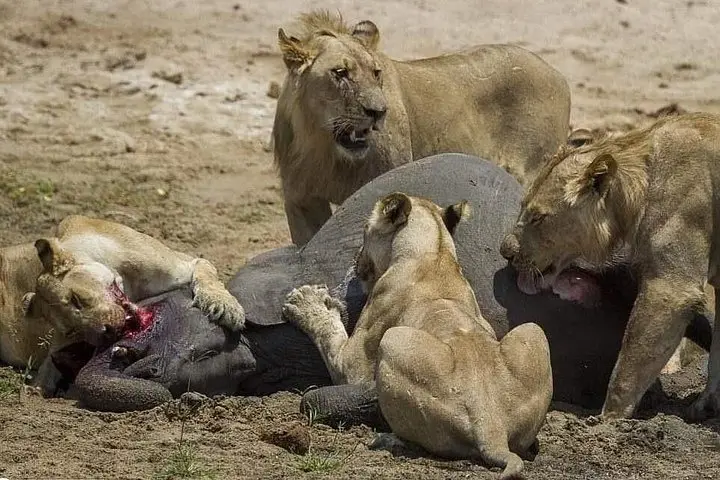
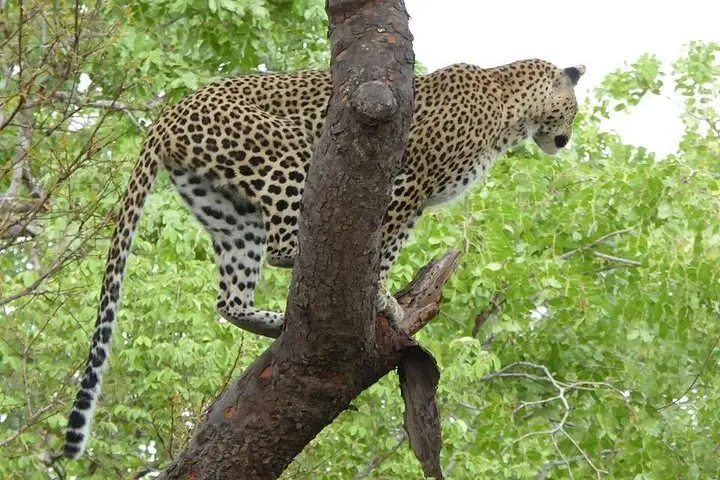
Chobe is known for large mammals and regular elephant concentrations; lions and buffalo are common, but sightings of leopards and rhino are less certain on a single-day itinerary.
The operator lists stroller and wheelchair-accessible transport; children are usually permitted but infants may need to sit on laps—confirm specifics at booking.
Bring a mix of Zambian kwacha, Botswana pula, or major cards for lodge purchases and tipping; operators often accept cash and card but local vendors prefer local currency.
Brian S Travel and Tours operates guided outdoor trips and adventures with an emphasis on safety, stewardship, and memorable experiences.
Dawn finds the convoy leaving Livingstone as the Zambezi glows like a ribbon of oil. By 7:00 a.m. you’re heading for the Kazungula crossing, boarding a speedboat that slices the river and deposits you on the banks of Chobe National Park — a landscape where water dares the savanna to keep its secrets.
Dawn finds the convoy leaving Livingstone as the Zambezi glows like a ribbon of oil. By 7:00 a.m. you’re heading for the Kazungula crossing, boarding a speedboat that slices the river and deposits you on the banks of Chobe National Park — a landscape where water dares the savanna to keep its secrets.
Chobe’s floodplain is shaped by seasonal pulses: sediment and silt build low meadows that feed dense riverine woodlands and attract huge concentrations of elephant. The park’s history is written in human layers too — local Tswana communities, colonial-era hunting reserves turned conservation areas — and the river remains a cultural and economic lifeline for towns on both banks.
The day pairs a morning river drive with an after-lunch game drive, offering complementary views: the boat reveals hippos and crocodiles up close, the 4x4 opens wide savanna where lions, buffalo, and elephant roam. Expect sandy tracks, short grass plains, and shaded riparian corridors punctuated by baobabs and fever trees.
Practicalities matter: passport and visa rules at Kazungula, insect protection, layered sun clothing, and a good telephoto will keep you comfortable and reactive. Lunch at Chobe Safari Lodge breaks the day, then a final drive pushes into quieter territory as golden hour tightens sightlines and animal activity spikes.
For photographers and first-time safari-goers this itinerary is compact and accessible — it packages two distinct animal-viewing environments in one full day. Respect park rules, follow your guide’s instructions, and you’ll come away with strong sightings, sharper fieldcraft, and a clear sense of why the Chobe riverbank is one of southern Africa’s most electric wildlife stages.