THE ADVENTURE COLLECTIVE® · Independent discovery and booking for outdoor travel

A full-day crossing from Livingstone to Chobe combines a morning river safari, a five-course lodge lunch, and an afternoon open-4x4 game drive into Chobe National Park. Expect close elephant encounters, birdlife along the floodplain, and a practical border transfer.
A full-day crossing from Livingstone to Chobe combines a morning river safari, a five-course lodge lunch, and an afternoon open-4x4 game drive into Chobe National Park. Expect close elephant encounters, birdlife along the floodplain, and a practical border transfer.
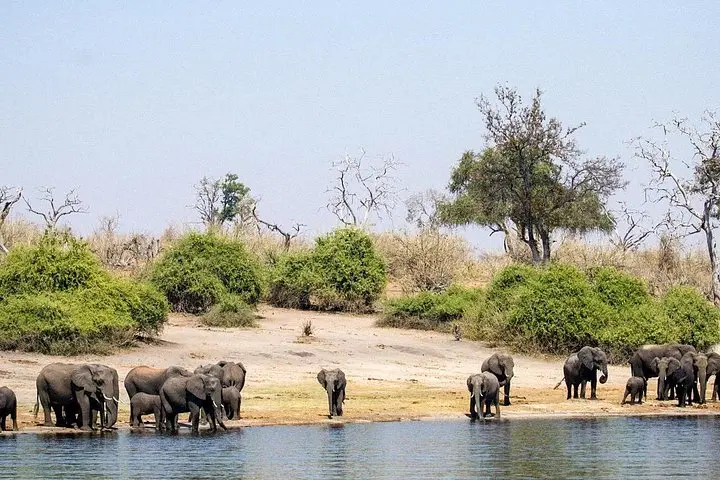
You push off at first light, the Chobe River sliding past mangled fig roots and low floodplain sedges as hippos huff beneath the boat’s wake. The air is warm and papery; a line of elephants dots the far bank like weathered boulders moving with intent.
Verified experiences and guided adventures in the surrounding area.
Operated by Arnolubi Safaris & Tours · Kasane, Chobe District
You push off at first light, the Chobe River sliding past mangled fig roots and low floodplain sedges as hippos huff beneath the boat’s wake. The air is warm and papery; a line of elephants dots the far bank like weathered boulders moving with intent.
Chobe National Park was set aside in the 1960s and is defined by its riverine floodplain and seasonal swamps — geology and water that concentrate game and make the river one of Southern Africa’s most reliable wildlife corridors. Cultural crossings are part of the day: you’ll transfer from Livingstone, pass immigration at the one-stop border, then board at Chobe Safari Lodge to track animals by water and by land. Sedudu (Kasikili) Island, visible from the river, marks a recent chapter of local geopolitics adjudicated by the ICJ in 1999.
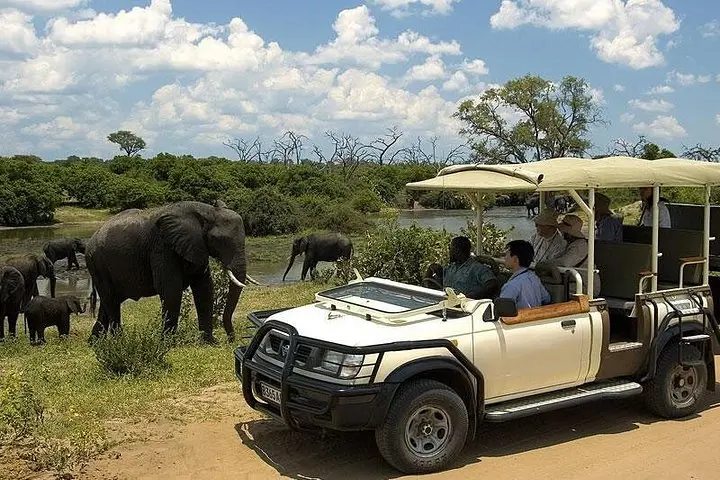
Expect two acts: a morning river cruise where birds and elephant herds dominate the rhythm, then a relaxed five-course lunch at the lodge, followed by an open 4x4 afternoon game drive that pushes into drier mopane and acacia country in search of predators and large bulls.
Practicalities: bring a passport for the border crossing, sun protection and binoculars for long-distance viewing, and plan on a full day — transfers from Livingstone add 45–60 minutes to the itinerary. Vehicles are open and wildlife is wild: keep distance, follow your guide’s instructions, and carry water and a light layer for early-morning breezes. The trip balances effortless observation with reliable chances to see elephants, hippos, buffalo and a rich bird list — a compact, immersive introduction to Chobe’s river-driven ecology.
Visa requirements depend on your nationality; check current entry rules before travel and carry your passport—guides will help at the one-stop border but visas must be valid in advance if required.
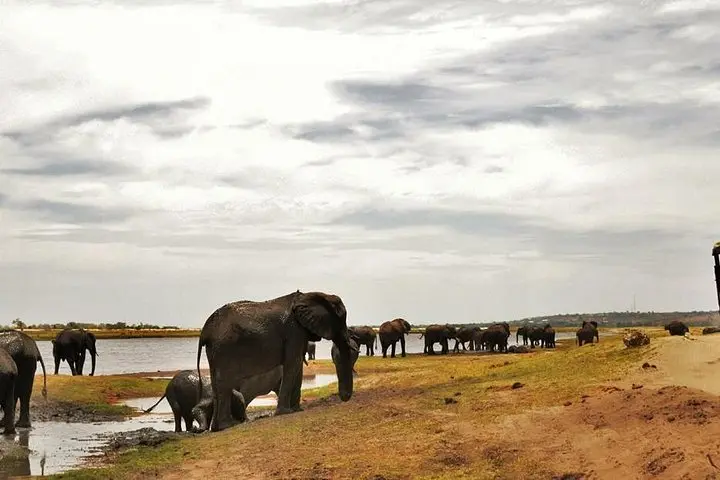
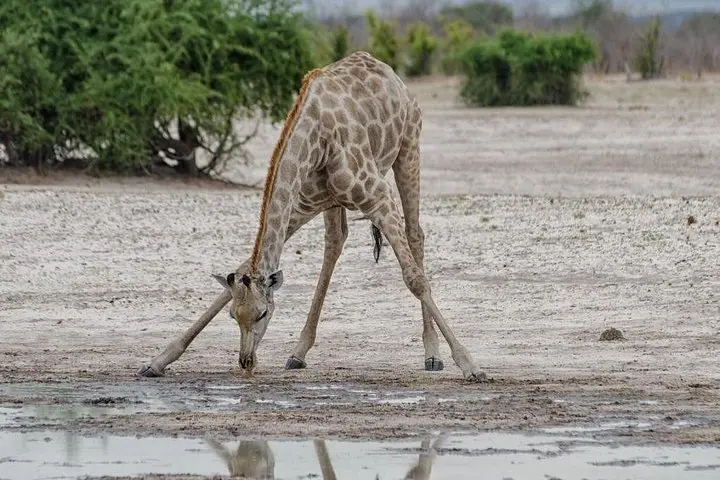
Chobe is famous for large elephant herds and hippos along the river, with buffalo, waterbuck and diverse birdlife commonly seen; predators are possible but less guaranteed.
The operator lists wheelchair-accessible transport and surfaces; however open 4x4s may require climbing steps—ask about vehicle options when booking and inform them of special requirements.
A five-course buffet lunch and bottled water are included; extras, gratuities and alcoholic drinks at the lodge may be additional.
Arnolubi Safaris & Tours operates guided outdoor trips and adventures with an emphasis on safety, stewardship, and memorable experiences.
You push off at first light, the Chobe River sliding past mangled fig roots and low floodplain sedges as hippos huff beneath the boat’s wake. The air is warm and papery; a line of elephants dots the far bank like weathered boulders moving with intent.
You push off at first light, the Chobe River sliding past mangled fig roots and low floodplain sedges as hippos huff beneath the boat’s wake. The air is warm and papery; a line of elephants dots the far bank like weathered boulders moving with intent.
Chobe National Park was set aside in the 1960s and is defined by its riverine floodplain and seasonal swamps — geology and water that concentrate game and make the river one of Southern Africa’s most reliable wildlife corridors. Cultural crossings are part of the day: you’ll transfer from Livingstone, pass immigration at the one-stop border, then board at Chobe Safari Lodge to track animals by water and by land. Sedudu (Kasikili) Island, visible from the river, marks a recent chapter of local geopolitics adjudicated by the ICJ in 1999.
Expect two acts: a morning river cruise where birds and elephant herds dominate the rhythm, then a relaxed five-course lunch at the lodge, followed by an open 4x4 afternoon game drive that pushes into drier mopane and acacia country in search of predators and large bulls.
Practicalities: bring a passport for the border crossing, sun protection and binoculars for long-distance viewing, and plan on a full day — transfers from Livingstone add 45–60 minutes to the itinerary. Vehicles are open and wildlife is wild: keep distance, follow your guide’s instructions, and carry water and a light layer for early-morning breezes. The trip balances effortless observation with reliable chances to see elephants, hippos, buffalo and a rich bird list — a compact, immersive introduction to Chobe’s river-driven ecology.