THE ADVENTURE COLLECTIVE® · Independent discovery and booking for outdoor travel

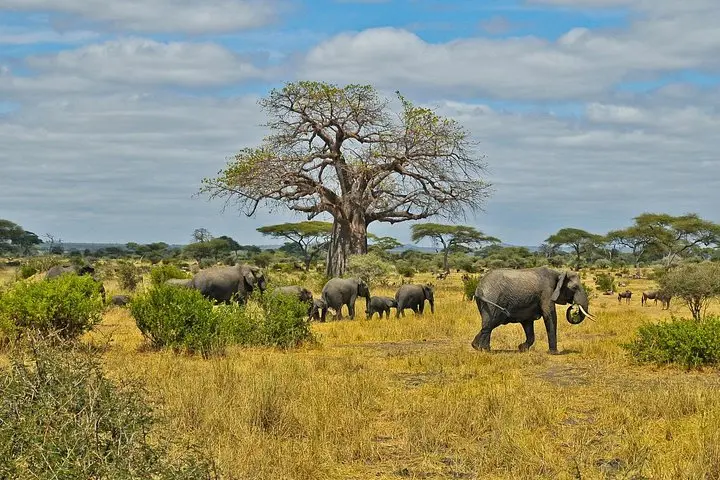
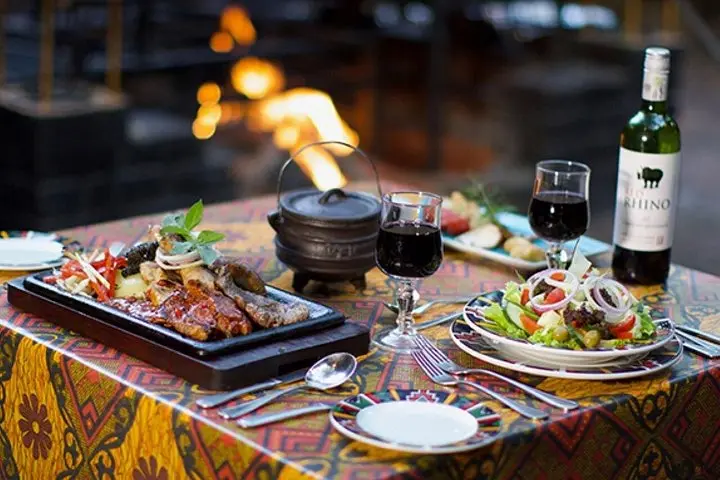
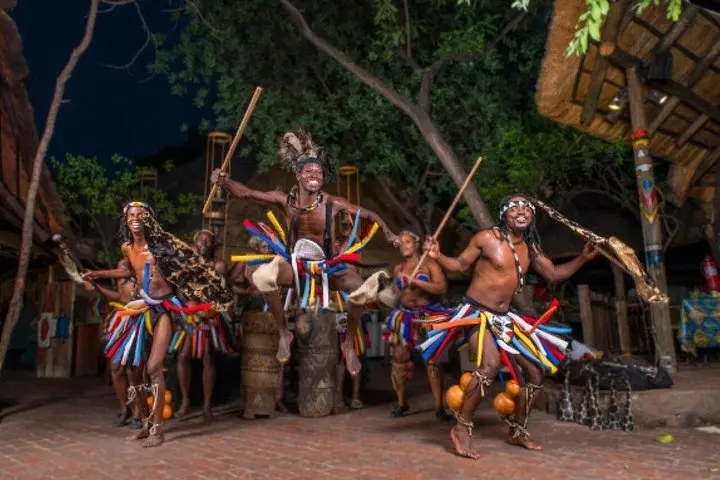
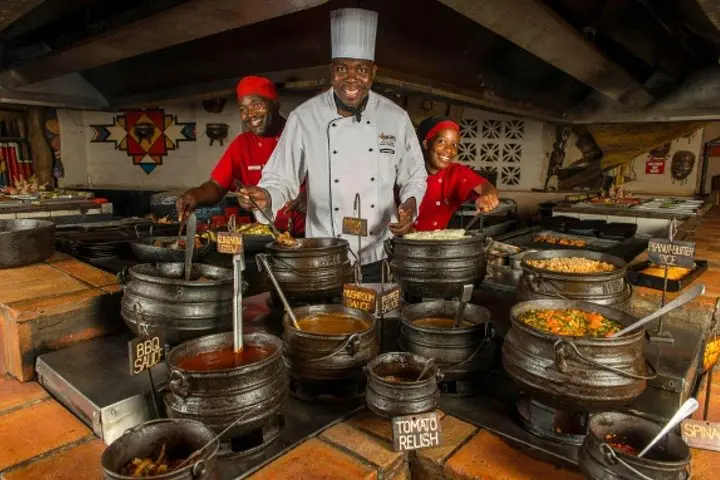
Cross from Victoria Falls into Chobe National Park for a full-day safari that targets massive elephant herds and ends with an authentic Boma dinner of local food, music and drumming. Expect long transfers, close waterhole viewing, and a dramatic riverside sundowner.
Cross from Victoria Falls into Chobe National Park for a full-day safari that targets massive elephant herds and ends with an authentic Boma dinner of local food, music and drumming. Expect long transfers, close waterhole viewing, and a dramatic riverside sundowner.
The day begins before dawn on the road from Victoria Falls, the highway folding into scrubacacia and baobab as you cross the border into Botswana. By mid-morning the Chobe River comes into view—wide, slow and insistent—drawing elephants, buffalo and herds of plains game to its banks. Your guide drives with a steady calm; the vehicle stops and the landscape holds its breath as a matriarch decides whether to cross.
Verified experiences and guided adventures in the surrounding area.
Operated by Bantu Safaris Southern Africa · Kasane, Chobe District
The day begins before dawn on the road from Victoria Falls, the highway folding into scrubacacia and baobab as you cross the border into Botswana. By mid-morning the Chobe River comes into view—wide, slow and insistent—drawing elephants, buffalo and herds of plains game to its banks. Your guide drives with a steady calm; the vehicle stops and the landscape holds its breath as a matriarch decides whether to cross.
Chobe National Park is known for its riverine woodlands and some of the largest elephant aggregations on Earth. Geologically the area is defined by the broad Chobe floodplain and seasonal channels that shape where animals gather. Culturally, Kasane and nearby Victoria Falls are trade hubs where Tswana, Venda and other local communities meet, and The Boma dinner brings regional music, food and drumming to the fore.
Practical guidance: the full-day itinerary is long—expect 12–15 hours including transfers. Bring your passport and the $20 park entry fee (paid at the gate). Binoculars and a camera with a mid-range zoom are useful; keep a respectful distance and follow your guide’s directions for animal encounters.
Hydration and sun protection matter: open vehicles and riverside hides offer little shade midday. The Boma dinner is a lively cultural capstone—inform the operator of dietary needs in advance and be ready to join a community drumming circle. In the dry winter months game viewing tightens around waterholes; in the rainy season the park is greener and calves are common. Whether you come for elephant congregations, a spectacular African sunset over the river, or an evening of traditional dance, this trip pairs wildlife intensity with a clear, practical rhythm—long days, close views, and strong cultural flavor.
Visa requirements depend on your nationality—check entry rules in advance and travel with a passport valid for at least six months.
No, the tour notes that the Chobe National Park entry fee (about $20) is payable by the traveler at the gate on the day of the visit.
Yes—photography is allowed; be mindful of other guests and performers at The Boma, and avoid using flash during indoor performances.
The tour is family-friendly but involves long vehicle transfers; infants must sit on laps and it’s not recommended for those with serious back problems—inform the operator of any mobility needs when booking.
Bantu Safaris Southern Africa operates guided outdoor trips and adventures with an emphasis on safety, stewardship, and memorable experiences.
The day begins before dawn on the road from Victoria Falls, the highway folding into scrubacacia and baobab as you cross the border into Botswana. By mid-morning the Chobe River comes into view—wide, slow and insistent—drawing elephants, buffalo and herds of plains game to its banks. Your guide drives with a steady calm; the vehicle stops and the landscape holds its breath as a matriarch decides whether to cross.
The day begins before dawn on the road from Victoria Falls, the highway folding into scrubacacia and baobab as you cross the border into Botswana. By mid-morning the Chobe River comes into view—wide, slow and insistent—drawing elephants, buffalo and herds of plains game to its banks. Your guide drives with a steady calm; the vehicle stops and the landscape holds its breath as a matriarch decides whether to cross.
Chobe National Park is known for its riverine woodlands and some of the largest elephant aggregations on Earth. Geologically the area is defined by the broad Chobe floodplain and seasonal channels that shape where animals gather. Culturally, Kasane and nearby Victoria Falls are trade hubs where Tswana, Venda and other local communities meet, and The Boma dinner brings regional music, food and drumming to the fore.
Practical guidance: the full-day itinerary is long—expect 12–15 hours including transfers. Bring your passport and the $20 park entry fee (paid at the gate). Binoculars and a camera with a mid-range zoom are useful; keep a respectful distance and follow your guide’s directions for animal encounters.
Hydration and sun protection matter: open vehicles and riverside hides offer little shade midday. The Boma dinner is a lively cultural capstone—inform the operator of dietary needs in advance and be ready to join a community drumming circle. In the dry winter months game viewing tightens around waterholes; in the rainy season the park is greener and calves are common. Whether you come for elephant congregations, a spectacular African sunset over the river, or an evening of traditional dance, this trip pairs wildlife intensity with a clear, practical rhythm—long days, close views, and strong cultural flavor.