
Chobe Full-Day Safari: Kasane Boat Cruise and Game Drive from Victoria Falls
Start on the Chobe River among feeding elephants, then follow a game drive across floodplain woodlands—this full-day from Victoria Falls or Livingstone combines close river viewing with a four-hour inland safari. Practical details on border crossings, timing and what to pack make this an easy, high-payoff day trip.
An Adventure In Kasane.
Start on the Chobe River among feeding elephants, then follow a game drive across floodplain woodlands—this full-day from Victoria Falls or Livingstone combines close river viewing with a four-hour inland safari. Practical details on border crossings, timing and what to pack make this an easy, high-payoff day trip.
Read the full experience
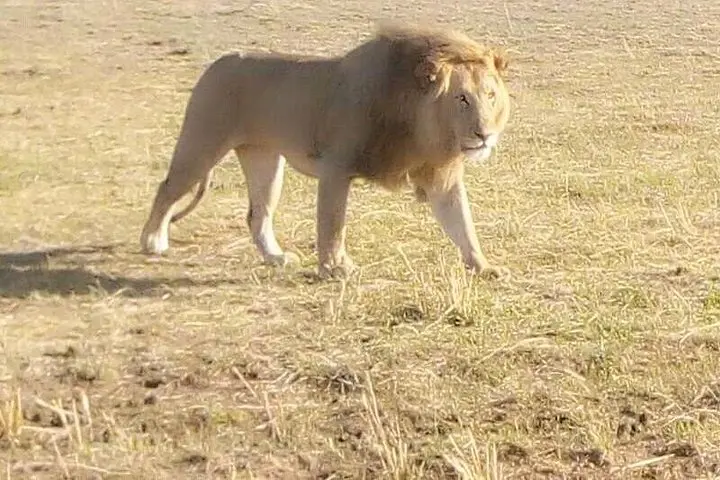
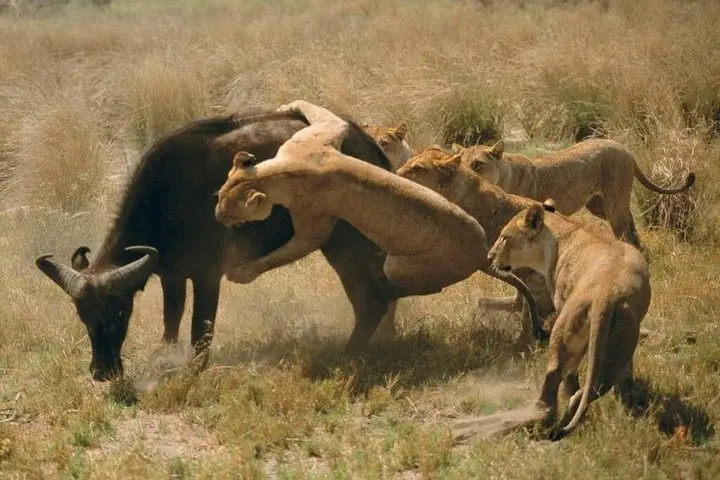
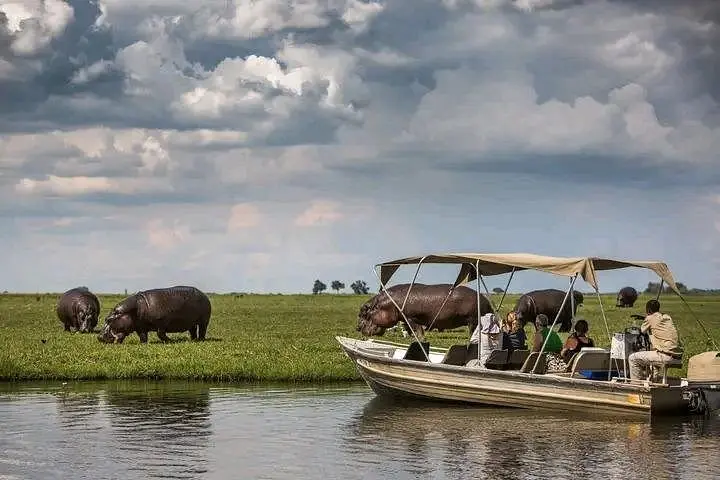
A low, cool light breaks across the Chobe River as the boat slips away from Kasane’s muddy shore. Elephants stand ankle-deep, trunks sweeping for water lilies; a crocodile slides into bright current; hornbills and kingfishers thread the riverine trees. The day begins on the water—three hours of close-up river viewing—then moves inland for a four-hour game drive that pushes through mopane and floodplain grasslands where lions, buffalo and more elephants range.
A low, cool light breaks across the Chobe River as the boat slips away from Kasane’s muddy shore. Elephants stand ankle-deep, trunks sweeping for water lilies; a crocodile slides into bright current; hornbills and kingfishers thread the riverine trees. The day begins on the water—three hours of close-up river viewing—then moves inland for a four-hour game drive that pushes through mopane and floodplain grasslands where lions, buffalo and more elephants range.
The Chobe area grew around the life-giving river: channels and floodplains carved by seasonal rains that concentrate wildlife. The park’s riverfront supports dense birdlife and some of Africa’s largest elephant herds, shaped by decades of protection and seasonal animal movements across borders with Zambia and Namibia. Local communities in Kasane and along the river have long relied on fishing and trade at the Kazungula crossing; modern safari tourism now links Victoria Falls and Livingstone to Botswana’s parks via daily transfers.
Practicalities are straightforward but important. Pickups start early (around 07:00) with border formalities at Kazungula—bring valid passport and any necessary visas. Expect mixed terrain: stable safari vehicles handle sandy tracks and occasional mud; the boat is open-sided and exposed to sun. Dress in neutral colors, use sunscreen, and carry binoculars and water provided on the tour. Wildlife sightings are never guaranteed, but combining river and land increases chances across habitats.
For photographers, the soft morning and late-afternoon light along the river are best. Respect park rules: keep distances, follow guides, and avoid feeding or disturbing animals—this protects both visitors and the Chobe ecosystem.
Frequently asked questions
Yes—this tour crosses into Botswana at Kazungula; bring a valid passport and check visa requirements for your nationality ahead of travel.
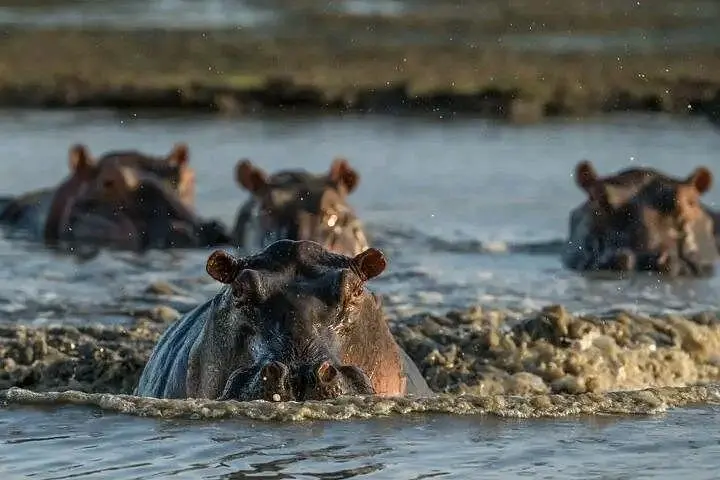
The riverfront is famous for large elephant herds, hippos, crocodiles and abundant waterbirds; the inland drive increases chances of seeing buffalo, antelope and occasionally lions.
The itinerary typically includes a 3-hour river cruise followed by an approximately 4-hour game drive, totaling about 7 hours including transfers and border crossing time.
The operator notes infants must sit on laps and the activity is generally easy, but it is not recommended for pregnant travelers; check specific age policies when booking.
About This Experience
Boris P Safaris and Tours operates guided outdoor trips and adventures with an emphasis on safety, stewardship, and memorable experiences.
Adventure tips
Recommended gear
- Binoculars: Helps spot distant animals and identify bird species from the boat and during drives.
- Sun hat & sunglasses: Protects against strong sun on the open boat and exposed vehicle seats.
- Light, neutral clothing: Breathable layers in beige/olive reduce sun and insect attention while keeping you comfortable.
- Camera with zoom lens: A 200–400mm equivalent lens is useful for close-up wildlife shots without disturbing animals.
Photos of the experience
Related adventures & guides
Read the full experience
A low, cool light breaks across the Chobe River as the boat slips away from Kasane’s muddy shore. Elephants stand ankle-deep, trunks sweeping for water lilies; a crocodile slides into bright current; hornbills and kingfishers thread the riverine trees. The day begins on the water—three hours of close-up river viewing—then moves inland for a four-hour game drive that pushes through mopane and floodplain grasslands where lions, buffalo and more elephants range.
A low, cool light breaks across the Chobe River as the boat slips away from Kasane’s muddy shore. Elephants stand ankle-deep, trunks sweeping for water lilies; a crocodile slides into bright current; hornbills and kingfishers thread the riverine trees. The day begins on the water—three hours of close-up river viewing—then moves inland for a four-hour game drive that pushes through mopane and floodplain grasslands where lions, buffalo and more elephants range.
The Chobe area grew around the life-giving river: channels and floodplains carved by seasonal rains that concentrate wildlife. The park’s riverfront supports dense birdlife and some of Africa’s largest elephant herds, shaped by decades of protection and seasonal animal movements across borders with Zambia and Namibia. Local communities in Kasane and along the river have long relied on fishing and trade at the Kazungula crossing; modern safari tourism now links Victoria Falls and Livingstone to Botswana’s parks via daily transfers.
Practicalities are straightforward but important. Pickups start early (around 07:00) with border formalities at Kazungula—bring valid passport and any necessary visas. Expect mixed terrain: stable safari vehicles handle sandy tracks and occasional mud; the boat is open-sided and exposed to sun. Dress in neutral colors, use sunscreen, and carry binoculars and water provided on the tour. Wildlife sightings are never guaranteed, but combining river and land increases chances across habitats.
For photographers, the soft morning and late-afternoon light along the river are best. Respect park rules: keep distances, follow guides, and avoid feeding or disturbing animals—this protects both visitors and the Chobe ecosystem.
Make a day of it nearby.
Verified experiences and guided adventures in the surrounding area.