THE ADVENTURE COLLECTIVE® · Independent discovery and booking for outdoor travel

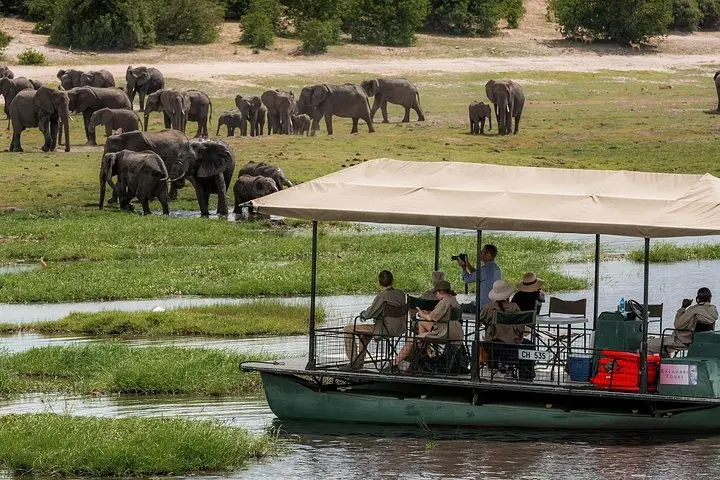
Spend two days and one night in Chobe National Park combining a river cruise with morning and evening game drives. Sleep under canvas, watch elephants at the water’s edge, and learn local natural history from experienced guides.
Spend two days and one night in Chobe National Park combining a river cruise with morning and evening game drives. Sleep under canvas, watch elephants at the water’s edge, and learn local natural history from experienced guides.
Dawn breaks over the flat, slow Chobe River and the first hippos grumble in the shallows; guides move with purpose, not hurry, as the light slides across floodplain grass and mopane woodland. Guests arriving from Livingstone or Victoria Falls find themselves shifted into a desert of motion — elephants brushing riverine trees, herds threading the shoreline, a boat wake that dares you to watch longer.
Verified experiences and guided adventures in the surrounding area.
Operated by Kalahari Tours · Kasane, Chobe District
Dawn breaks over the flat, slow Chobe River and the first hippos grumble in the shallows; guides move with purpose, not hurry, as the light slides across floodplain grass and mopane woodland. Guests arriving from Livingstone or Victoria Falls find themselves shifted into a desert of motion — elephants brushing riverine trees, herds threading the shoreline, a boat wake that dares you to watch longer.
Chobe National Park sits where seasonal floods sculpt channels and islands, creating one of southern Africa’s richest wildlife corridors. The area’s geology is simple and honest: floodplains and ancient sediments that feed a river system relied on by both wildlife and people. Kasane and the Kazungula border have long been trading and transport hubs, and local Tswana communities maintain cultural ties to the river and its resources.
Over two days you’ll split time between a full-day boat cruise and repeated game drives, sleeping under canvas where the night sounds keep time. Guides interpret spoor, migratory rhythm and the best windows for sightings; the dry season concentrates animals along the river, while rains scatter them into the interior.
Practical edge: carry required border documents and some local currency for Kasane; expect early starts and long periods in open 4x4s and on the water; layer for chilly mornings and hot afternoons; bring insect protection and a good pair of boots for short walks at camp. Respect viewing distances, follow the guide’s lead, and plan photography around golden hours for the best animal behavior.
Visa requirements depend on your nationality and whether you cross borders; check embassy guidance and carry passports and any required permits.
Expect high densities of elephants near the river, along with buffalo, various antelope, hippos, crocodiles and frequent birdlife during boat cruises.
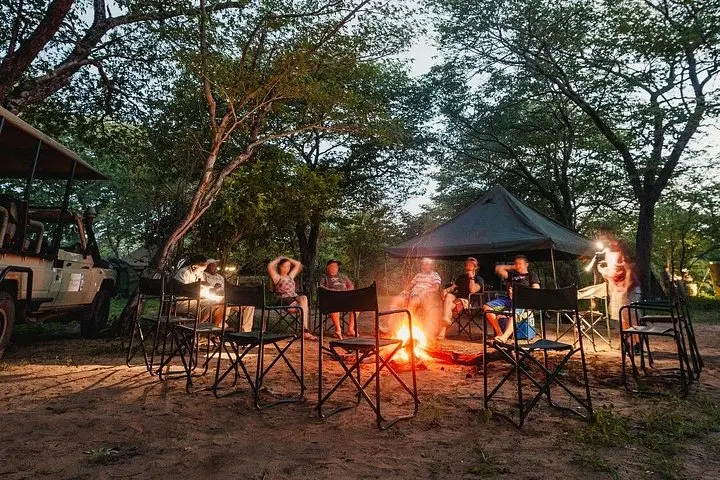
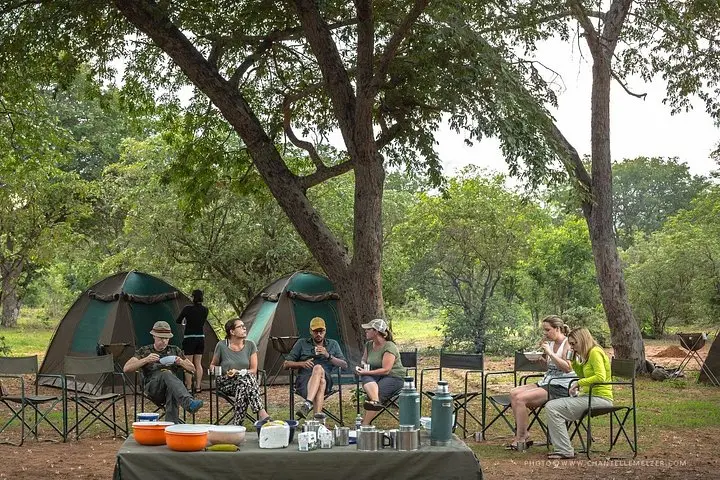
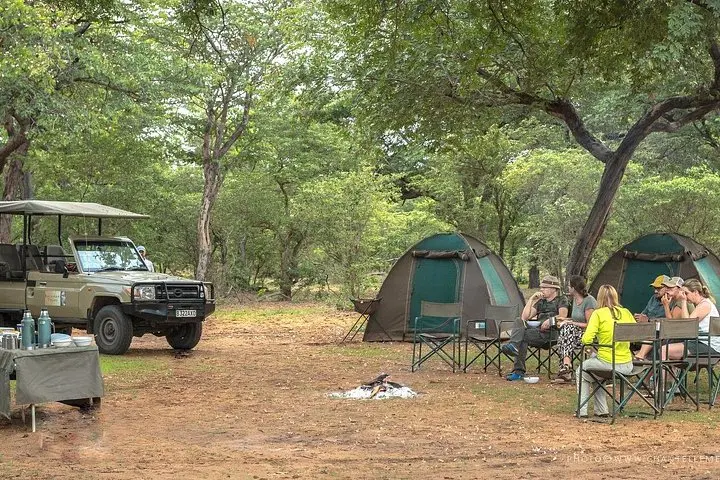
Camps are classic bush camps with domestic tents and basic facilities; expect open fires, shared washrooms in some sites, and simple but cooked meals.
Children can join but the trip involves uneven ground and long drives; it’s not recommended for travelers with serious back, heart, or mobility limitations.
Kalahari Tours operates guided outdoor trips and adventures with an emphasis on safety, stewardship, and memorable experiences.
Dawn breaks over the flat, slow Chobe River and the first hippos grumble in the shallows; guides move with purpose, not hurry, as the light slides across floodplain grass and mopane woodland. Guests arriving from Livingstone or Victoria Falls find themselves shifted into a desert of motion — elephants brushing riverine trees, herds threading the shoreline, a boat wake that dares you to watch longer.
Dawn breaks over the flat, slow Chobe River and the first hippos grumble in the shallows; guides move with purpose, not hurry, as the light slides across floodplain grass and mopane woodland. Guests arriving from Livingstone or Victoria Falls find themselves shifted into a desert of motion — elephants brushing riverine trees, herds threading the shoreline, a boat wake that dares you to watch longer.
Chobe National Park sits where seasonal floods sculpt channels and islands, creating one of southern Africa’s richest wildlife corridors. The area’s geology is simple and honest: floodplains and ancient sediments that feed a river system relied on by both wildlife and people. Kasane and the Kazungula border have long been trading and transport hubs, and local Tswana communities maintain cultural ties to the river and its resources.
Over two days you’ll split time between a full-day boat cruise and repeated game drives, sleeping under canvas where the night sounds keep time. Guides interpret spoor, migratory rhythm and the best windows for sightings; the dry season concentrates animals along the river, while rains scatter them into the interior.
Practical edge: carry required border documents and some local currency for Kasane; expect early starts and long periods in open 4x4s and on the water; layer for chilly mornings and hot afternoons; bring insect protection and a good pair of boots for short walks at camp. Respect viewing distances, follow the guide’s lead, and plan photography around golden hours for the best animal behavior.