THE ADVENTURE COLLECTIVE® · Independent discovery and booking for outdoor travel

Glide the Chobe River at golden hour and watch elephants, hippos, crocodiles and raptors gather at the water’s edge. This half-day afternoon boat safari from Kasane (with transfers from Livingstone/Victoria Falls available) pairs relaxed cruising with high-quality wildlife viewing.
Glide the Chobe River at golden hour and watch elephants, hippos, crocodiles and raptors gather at the water’s edge. This half-day afternoon boat safari from Kasane (with transfers from Livingstone/Victoria Falls available) pairs relaxed cruising with high-quality wildlife viewing.
Late-afternoon light slants across the Chobe River and the shoreline tightens with life — elephants amble out of mopane shade, hippos grunt in the shallows, and fish eagles wheel above, daring you to lift your lens.
Verified experiences and guided adventures in the surrounding area.
Operated by HSM Adventures Tours and Safaris · Kasane, Chobe District
Late-afternoon light slants across the Chobe River and the shoreline tightens with life — elephants amble out of mopane shade, hippos grunt in the shallows, and fish eagles wheel above, daring you to lift your lens.
The half-day afternoon boat safari takes advantage of that daily congregation, offering a calm, low-profile vantage from a purpose-built safari boat. The Chobe River carves a broad, slow channel where seasonal floodplains and alluvial islands create concentrated wildlife corridors. The river’s edge has long been a lifeline for local communities and a focus of conservation; Chobe National Park was established in the mid-20th century to protect the region’s distinctive elephant herds and riverine habitat.
Culturally, the area around Kasane and the riverbanks supports small trading hubs and traditional villages—brief stops and local guide commentary often highlight cross-border patterns of life around Kazungula and Sedudu Island.
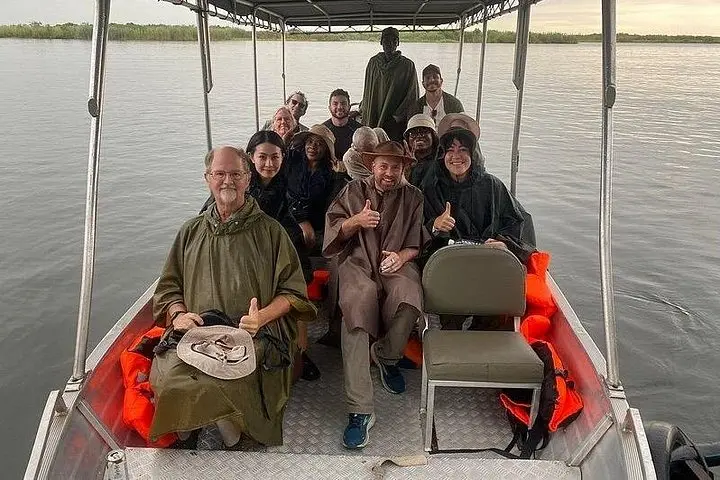
Practicalities are straightforward: expect a total outing of roughly 5–6 hours including transfers and possible border formalities when starting from Livingstone or Victoria Falls. The boat portion is relaxed but photo-focused—bring binoculars and a telephoto lens, wear sun protection, and layer for wind on the water. Wildlife sightings are frequent but never guaranteed; guides know the river’s rhythms and position the boat for safe, low-impact viewing. Hydrate, keep movements slow on deck, and carry your passport if you’re joining from Zambia or Zimbabwe—border procedures are standard. For photographers and first-time safari-goers alike, the Chobe afternoon cruise is a direct, accessible way to meet the river’s wildlife on its own terms.
The full experience runs about 5–6 hours including transfers and border formalities; the boat cruise itself typically lasts 2–3 hours depending on conditions.
No—animals roam freely and sightings depend on seasonal movements, water levels and natural behavior; guides position the boat for the best viewing but cannot promise specific species.
Possibly—crossing into Botswana from Zambia or Zimbabwe may require a visa depending on your nationality; bring your passport and check visa rules before travel.
Yes, it’s family-friendly and listed as suitable for most fitness levels, but it’s not wheelchair accessible and there are brief boardings and disembarkings.
HSM Adventures Tours and Safaris operates guided outdoor trips and adventures with an emphasis on safety, stewardship, and memorable experiences.
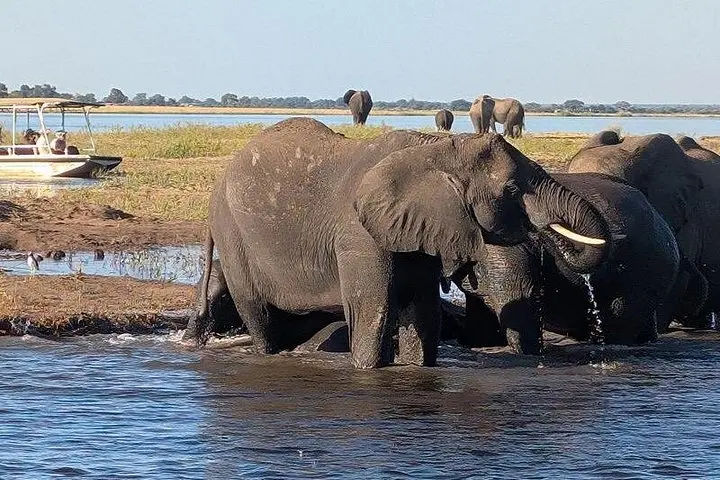
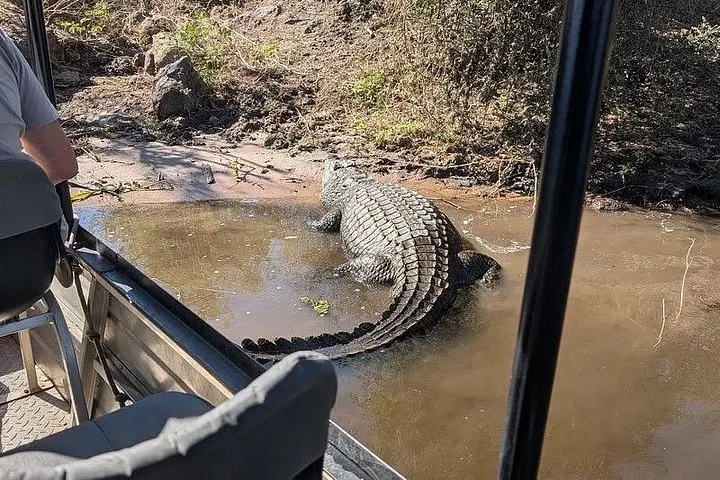
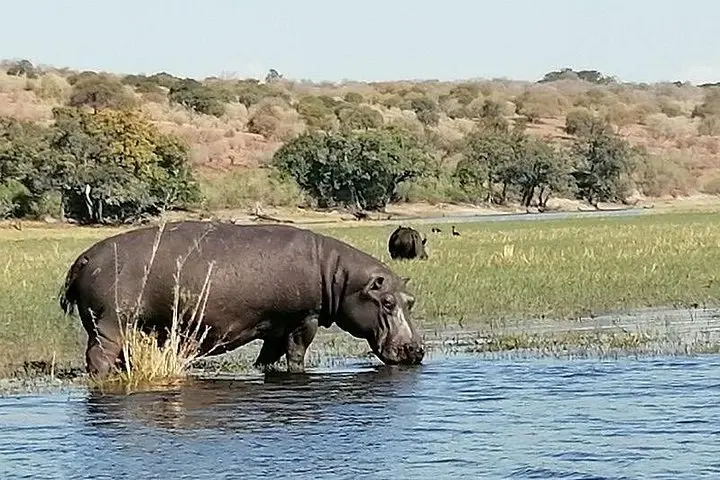
Late-afternoon light slants across the Chobe River and the shoreline tightens with life — elephants amble out of mopane shade, hippos grunt in the shallows, and fish eagles wheel above, daring you to lift your lens.
Late-afternoon light slants across the Chobe River and the shoreline tightens with life — elephants amble out of mopane shade, hippos grunt in the shallows, and fish eagles wheel above, daring you to lift your lens.
The half-day afternoon boat safari takes advantage of that daily congregation, offering a calm, low-profile vantage from a purpose-built safari boat. The Chobe River carves a broad, slow channel where seasonal floodplains and alluvial islands create concentrated wildlife corridors. The river’s edge has long been a lifeline for local communities and a focus of conservation; Chobe National Park was established in the mid-20th century to protect the region’s distinctive elephant herds and riverine habitat.
Culturally, the area around Kasane and the riverbanks supports small trading hubs and traditional villages—brief stops and local guide commentary often highlight cross-border patterns of life around Kazungula and Sedudu Island.
Practicalities are straightforward: expect a total outing of roughly 5–6 hours including transfers and possible border formalities when starting from Livingstone or Victoria Falls. The boat portion is relaxed but photo-focused—bring binoculars and a telephoto lens, wear sun protection, and layer for wind on the water. Wildlife sightings are frequent but never guaranteed; guides know the river’s rhythms and position the boat for safe, low-impact viewing. Hydrate, keep movements slow on deck, and carry your passport if you’re joining from Zambia or Zimbabwe—border procedures are standard. For photographers and first-time safari-goers alike, the Chobe afternoon cruise is a direct, accessible way to meet the river’s wildlife on its own terms.