THE ADVENTURE COLLECTIVE® · Independent discovery and booking for outdoor travel

Drift the Chobe River from Kasane and watch elephants, hippos and crocodiles gather at the water’s edge. This three‑hour open‑boat game cruise gives a close, boat-level view of Chobe National Park’s riverine life.
Drift the Chobe River from Kasane and watch elephants, hippos and crocodiles gather at the water’s edge. This three‑hour open‑boat game cruise gives a close, boat-level view of Chobe National Park’s riverine life.
Sun slides across the Chobe, turning water into a broad ribbon of light as the open-sided boat eases away from Kasane’s shoreline. On a three‑hour river cruise the river takes the lead: currents steer past sandbanks, islands and thickets where elephants wade, hippos yawn in shallow runs and crocodiles sun themselves like slow, armored logs.
Verified experiences and guided adventures in the surrounding area.
Operated by To do Africa · Kasane, Chobe
Sun slides across the Chobe, turning water into a broad ribbon of light as the open-sided boat eases away from Kasane’s shoreline. On a three‑hour river cruise the river takes the lead: currents steer past sandbanks, islands and thickets where elephants wade, hippos yawn in shallow runs and crocodiles sun themselves like slow, armored logs.
This stretch of river defines the borderlands between Botswana and Namibia and has been a trade and travel corridor for centuries. Geologically, the Chobe cuts through older Kalahari sands and seasonal floodplains that swell after rains, creating islands and channels that rearrange each year. Locally the river is central to human life and wildlife migration; river-dependent communities and lodges developed long before modern tourism, and birding remains a cultural draw.
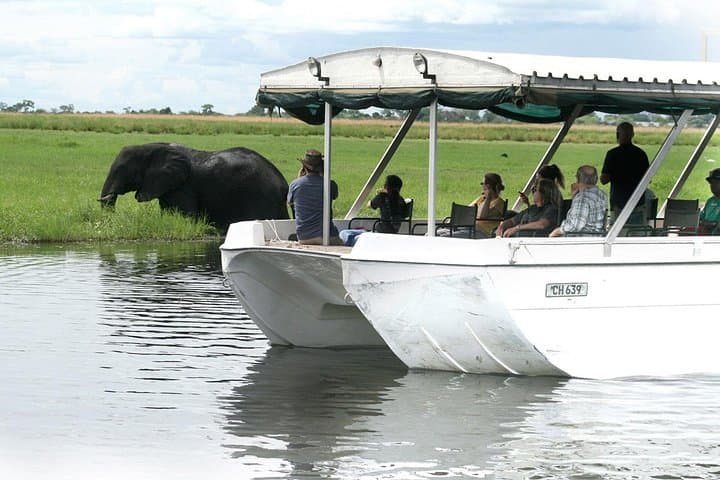
A Chobe river cruise is a photography- and wildlife-focused experience with expert guides who read the water and the animals. Expect close-range sightings of elephants crossing or grazing on islands, pods of hippos surfaced nearby, and abundant waterbirds wheel and call. The boat provides an elevated, safer vantage than walking, but animals still command the scene — the river invites them and sets the terms.
Practical notes: cruises typically run about three hours and operate year-round with peak clarity in the dry season when animals concentrate at water. Wear a sun hat and layered clothing for changing river breezes, bring binoculars and a telephoto lens for wildlife, and keep hydration and insect protection handy. Boarding is generally smooth; follow crew instructions and keep voices low to improve sightings.
The standard cruise is three hours, typically departing from Kasane and returning to the same dock.
Elephants and hippos are commonly sighted on most cruises, especially in the dry season when animals concentrate at river edges.
Most tours include bottled water, snacks and beverages—confirm any dietary requirements at booking time.
Yes—boats are generally wheelchair accessible and strollers are allowed, but boarding may require assistance and some walking on uneven surfaces.
To do Africa operates guided outdoor trips and adventures with an emphasis on safety, stewardship, and memorable experiences.
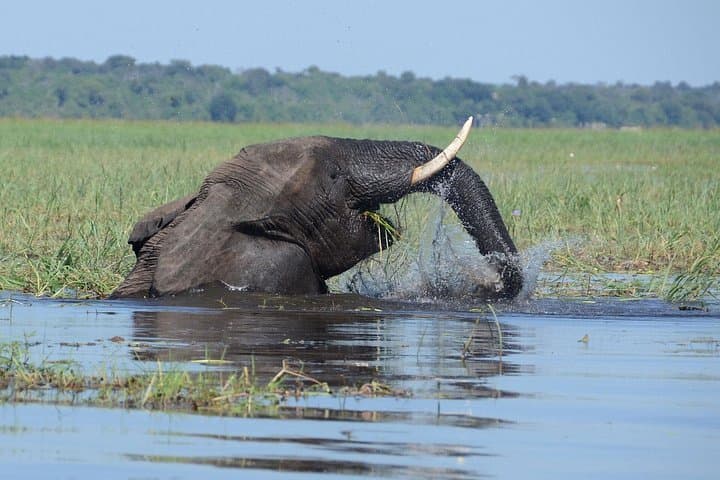


Sun slides across the Chobe, turning water into a broad ribbon of light as the open-sided boat eases away from Kasane’s shoreline. On a three‑hour river cruise the river takes the lead: currents steer past sandbanks, islands and thickets where elephants wade, hippos yawn in shallow runs and crocodiles sun themselves like slow, armored logs.
Sun slides across the Chobe, turning water into a broad ribbon of light as the open-sided boat eases away from Kasane’s shoreline. On a three‑hour river cruise the river takes the lead: currents steer past sandbanks, islands and thickets where elephants wade, hippos yawn in shallow runs and crocodiles sun themselves like slow, armored logs.
This stretch of river defines the borderlands between Botswana and Namibia and has been a trade and travel corridor for centuries. Geologically, the Chobe cuts through older Kalahari sands and seasonal floodplains that swell after rains, creating islands and channels that rearrange each year. Locally the river is central to human life and wildlife migration; river-dependent communities and lodges developed long before modern tourism, and birding remains a cultural draw.
A Chobe river cruise is a photography- and wildlife-focused experience with expert guides who read the water and the animals. Expect close-range sightings of elephants crossing or grazing on islands, pods of hippos surfaced nearby, and abundant waterbirds wheel and call. The boat provides an elevated, safer vantage than walking, but animals still command the scene — the river invites them and sets the terms.
Practical notes: cruises typically run about three hours and operate year-round with peak clarity in the dry season when animals concentrate at water. Wear a sun hat and layered clothing for changing river breezes, bring binoculars and a telephoto lens for wildlife, and keep hydration and insect protection handy. Boarding is generally smooth; follow crew instructions and keep voices low to improve sightings.