THE ADVENTURE COLLECTIVE® · Independent discovery and booking for outdoor travel

Cross the Kazungula Bridge and spend a long day chasing elephants, lions and hippos along the Chobe River. This combined game drive and river cruise from Livingstone offers morning and late-afternoon wildlife viewing with local guides and a packed lunch.
Cross the Kazungula Bridge and spend a long day chasing elephants, lions and hippos along the Chobe River. This combined game drive and river cruise from Livingstone offers morning and late-afternoon wildlife viewing with local guides and a packed lunch.
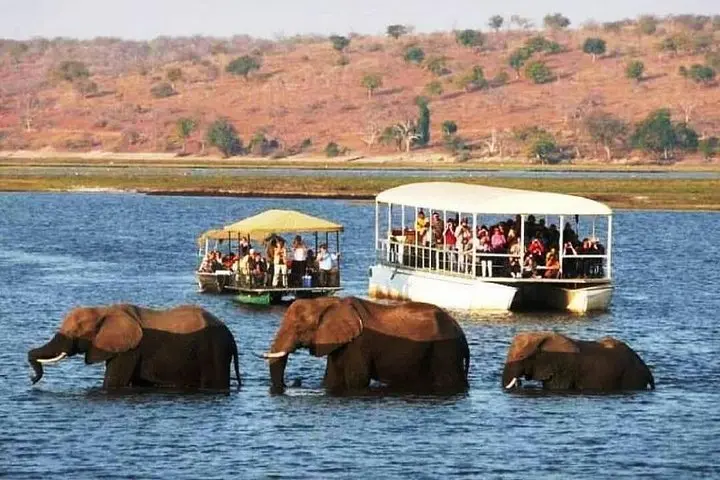
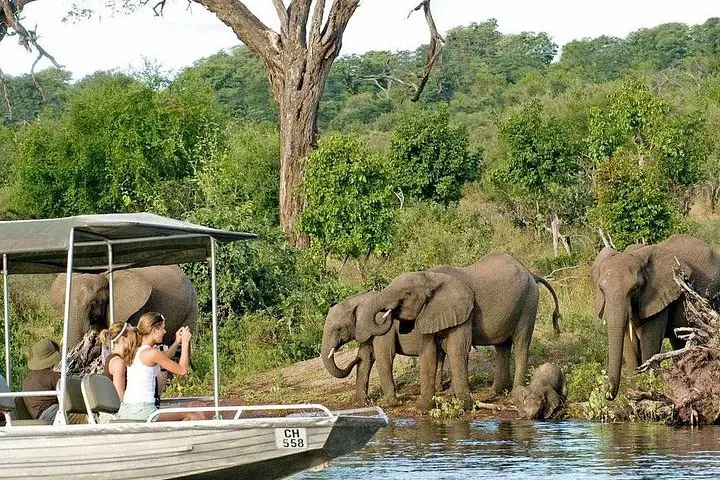
A low hum of diesel, paperwork shuffled under a late-morning sun and the Kazungula Bridge slipping behind you — that’s the first note of a Chobe day trip from Livingstone. Within an hour the landscape changes: scrub gives way to riverine forest, the Chobe River daring you to look closer as hippos blow steam and elephants march the shoreline.
Verified experiences and guided adventures in the surrounding area.
Operated by Cherish Travel and Tours · Kasane, Chobe District
A low hum of diesel, paperwork shuffled under a late-morning sun and the Kazungula Bridge slipping behind you — that’s the first note of a Chobe day trip from Livingstone. Within an hour the landscape changes: scrub gives way to riverine forest, the Chobe River daring you to look closer as hippos blow steam and elephants march the shoreline.
The Chobe ecosystem sits where ancient water routes carve soft alluvium into islands and floodplains; the river has long shaped local Lozi and Mafwe communities whose lifeways revolve around fishing and seasonal floods. Chobe National Park, established in the late 1960s, preserves this corridor of savanna and riverfront that supports large herds of elephant and one of southern Africa’s densest predator-prey systems.
Expect a program split between open-vehicle game drives and a river safari cruise — guides read spoor and waterlines like a map, shifting plans to meet animals and light. The dry season concentrates game along the river; rainy months turn the park green and widen channels.
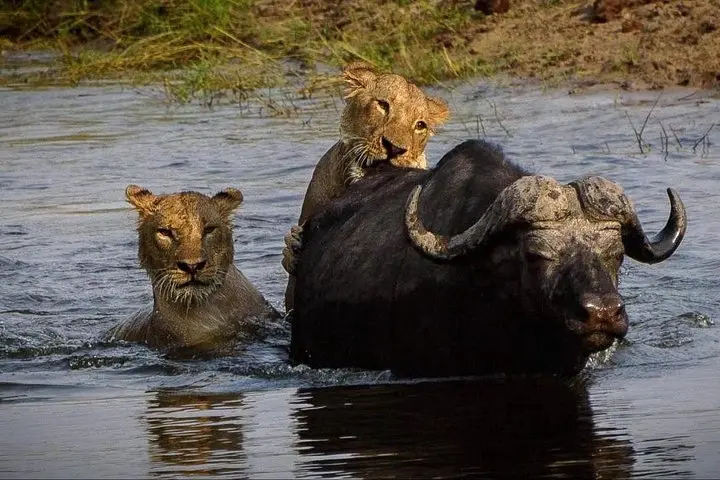
Practical guidance: carry your passport for the Kazungula border crossing, bring binoculars and a long lens for photos, and plan for a long day (9–10 hours) with stretches of sitting. Dress in neutral layers; mornings are cool, afternoons scorch. Hydrate, protect skin and pack insect repellent for river stops. Accessibility is generally good — vehicles and docks accommodate many mobility needs, but confirm specifics with your operator. Expect rare sightings — lions, leopards and painted dogs are possible but never guaranteed — and treat the river and its animals with respectful distance. By late afternoon, as light softens and the river pushes shadows downstream, the day’s rhythms make clear why Chobe still draws wildlife travelers from around the world.
Yes — you cross from Zambia into Botswana at Kazungula and must present a passport; visa rules depend on your nationality, so check requirements in advance.
A boxed or plated lunch is usually included; bring extra bottled water and snacks if you prefer more options during the long day.
Many operators provide wheelchair-accessible vehicles and docks, but confirm accessibility details and any assistance needs when booking.
No wildlife viewing is guaranteed; Chobe regularly hosts elephants, buffalo, lions and leopards, but sightings depend on season, luck and animal movements.
Cherish Travel and Tours operates guided outdoor trips and adventures with an emphasis on safety, stewardship, and memorable experiences.
A low hum of diesel, paperwork shuffled under a late-morning sun and the Kazungula Bridge slipping behind you — that’s the first note of a Chobe day trip from Livingstone. Within an hour the landscape changes: scrub gives way to riverine forest, the Chobe River daring you to look closer as hippos blow steam and elephants march the shoreline.
A low hum of diesel, paperwork shuffled under a late-morning sun and the Kazungula Bridge slipping behind you — that’s the first note of a Chobe day trip from Livingstone. Within an hour the landscape changes: scrub gives way to riverine forest, the Chobe River daring you to look closer as hippos blow steam and elephants march the shoreline.
The Chobe ecosystem sits where ancient water routes carve soft alluvium into islands and floodplains; the river has long shaped local Lozi and Mafwe communities whose lifeways revolve around fishing and seasonal floods. Chobe National Park, established in the late 1960s, preserves this corridor of savanna and riverfront that supports large herds of elephant and one of southern Africa’s densest predator-prey systems.
Expect a program split between open-vehicle game drives and a river safari cruise — guides read spoor and waterlines like a map, shifting plans to meet animals and light. The dry season concentrates game along the river; rainy months turn the park green and widen channels.
Practical guidance: carry your passport for the Kazungula border crossing, bring binoculars and a long lens for photos, and plan for a long day (9–10 hours) with stretches of sitting. Dress in neutral layers; mornings are cool, afternoons scorch. Hydrate, protect skin and pack insect repellent for river stops. Accessibility is generally good — vehicles and docks accommodate many mobility needs, but confirm specifics with your operator. Expect rare sightings — lions, leopards and painted dogs are possible but never guaranteed — and treat the river and its animals with respectful distance. By late afternoon, as light softens and the river pushes shadows downstream, the day’s rhythms make clear why Chobe still draws wildlife travelers from around the world.