THE ADVENTURE COLLECTIVE® · Independent discovery and booking for outdoor travel

Four days across Chobe and Savute deliver close elephant encounters, river cruises and game drives aimed at big cats. Expect bush camping, early starts and concentrated wildlife viewing, especially during the dry season.
Four days across Chobe and Savute deliver close elephant encounters, river cruises and game drives aimed at big cats. Expect bush camping, early starts and concentrated wildlife viewing, especially during the dry season.
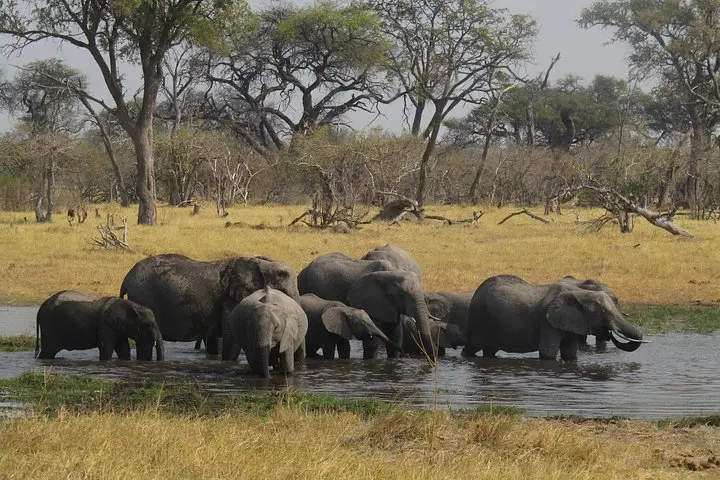
The river smells of mud and sun; a line of elephants looms like slow-moving shorebreak, trunks probing the Chobe’s edge while kingfishers stab the air. On day one a boat cuts an easy wake past hippos and crocodiles, then the group spills into a 4x4 and follows tracks where the land begins to open and the trees thin.
Verified experiences and guided adventures in the surrounding area.
Operated by Moonlight Safaris · Kasane, Chobe District
The river smells of mud and sun; a line of elephants looms like slow-moving shorebreak, trunks probing the Chobe’s edge while kingfishers stab the air. On day one a boat cuts an easy wake past hippos and crocodiles, then the group spills into a 4x4 and follows tracks where the land begins to open and the trees thin.
Chobe National Park is one of Botswana’s earliest protected areas, its floodplain and riverine forests shaped by seasonal flows and the long, erratic pulse of the Savute Channel—an ephemeral watercourse whose starts and stops have guided wildlife patterns for centuries. The Savute itself is a plain of low dunes, marshes and rocky kopjes that draw predators; lions and leopards take advantage of the varied terrain and abundant prey, especially in the dry months when water concentrates game at pans.
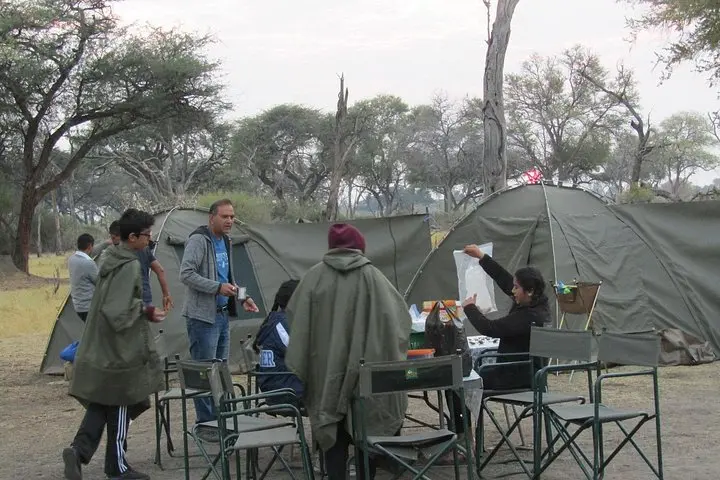
Culturally, this route runs near communities long familiar with the rhythms of bush life; guides keep a pragmatic respect for animal behavior and local etiquette. Camping here is straightforward: canvas tents beside campfires, meals cooked in the open and early wake-ups to catch cats before mid-day heat.
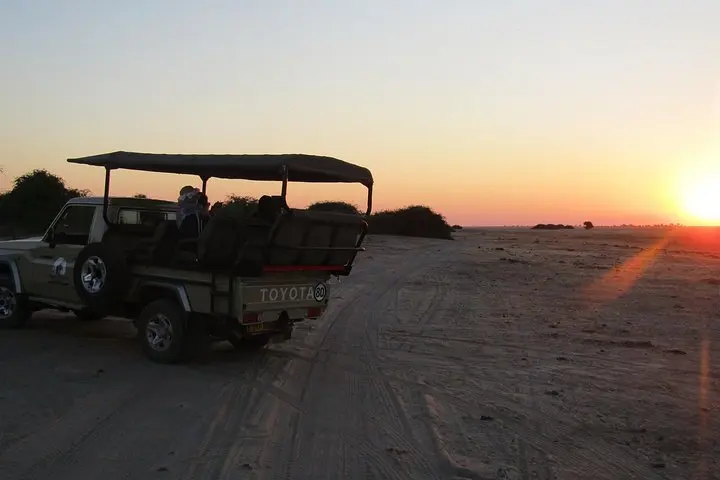
Practical guidance: travel light but complete—good optics and sun protection matter, nights get cold, and game drives can be long. Expect early mornings, dusty roads and the basic comforts of bush camping rather than lodge luxury. Vehicle-based viewing and a river cruise are core components; bring binoculars, a charged camera, and patience—wildlife sightings are frequent but never guaranteed.
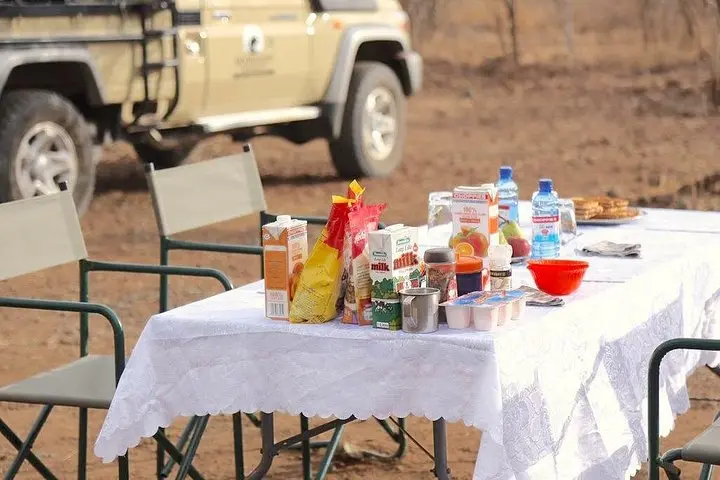
Meals listed (breakfasts, lunches, dinners), guided game drives, a river cruise, camping accommodation and park entry as described in the itinerary are included—confirm specifics with the operator.
Camping here is basic to comfortable: canvas tents set up at campsites, communal meals, and shared facilities—not lodge standards but well-managed for safari camping.
Early mornings and late afternoons in the dry season (May–October) concentrate wildlife at water sources, improving chances to see lions and leopards.
The trip is rated suitable for broad fitness levels, but guests should be able to climb into safari vehicles and tolerate long drives; check with the operator about specific mobility needs.
Moonlight Safaris operates guided outdoor trips and adventures with an emphasis on safety, stewardship, and memorable experiences.
The river smells of mud and sun; a line of elephants looms like slow-moving shorebreak, trunks probing the Chobe’s edge while kingfishers stab the air. On day one a boat cuts an easy wake past hippos and crocodiles, then the group spills into a 4x4 and follows tracks where the land begins to open and the trees thin.
The river smells of mud and sun; a line of elephants looms like slow-moving shorebreak, trunks probing the Chobe’s edge while kingfishers stab the air. On day one a boat cuts an easy wake past hippos and crocodiles, then the group spills into a 4x4 and follows tracks where the land begins to open and the trees thin.
Chobe National Park is one of Botswana’s earliest protected areas, its floodplain and riverine forests shaped by seasonal flows and the long, erratic pulse of the Savute Channel—an ephemeral watercourse whose starts and stops have guided wildlife patterns for centuries. The Savute itself is a plain of low dunes, marshes and rocky kopjes that draw predators; lions and leopards take advantage of the varied terrain and abundant prey, especially in the dry months when water concentrates game at pans.
Culturally, this route runs near communities long familiar with the rhythms of bush life; guides keep a pragmatic respect for animal behavior and local etiquette. Camping here is straightforward: canvas tents beside campfires, meals cooked in the open and early wake-ups to catch cats before mid-day heat.
Practical guidance: travel light but complete—good optics and sun protection matter, nights get cold, and game drives can be long. Expect early mornings, dusty roads and the basic comforts of bush camping rather than lodge luxury. Vehicle-based viewing and a river cruise are core components; bring binoculars, a charged camera, and patience—wildlife sightings are frequent but never guaranteed.