THE ADVENTURE COLLECTIVE® · Independent discovery and booking for outdoor travel
Taste the Sierra Nevada: spend a morning with women-led, organic cocoa producers—sampling raw pulp, learning fermentation and small-batch chocolate craft—then finish the day on the quiet sands of Mendiguaca. This eight-hour private tour pairs food culture with coastal downtime.
Taste the Sierra Nevada: spend a morning with women-led, organic cocoa producers—sampling raw pulp, learning fermentation and small-batch chocolate craft—then finish the day on the quiet sands of Mendiguaca. This eight-hour private tour pairs food culture with coastal downtime.
The morning air in the Sierra Nevada arrives like a slow exhale—thick with damp earth and the sweet, bright scent of cacao. On the Choco Adventure Tour you step from an air-conditioned van into a working organic plantation where leaves hush as you pass and cacao pods hang like lanterns in the understory. Women from the territory lead the day: guiding you through shaded rows, breaking open ripe pods so the white, tangy pulp can be tasted raw, and explaining how those sticky beans will become the table chocolate you sample later.
Verified experiences and guided adventures in the surrounding area.
Operated by Parque Tayrona Tours · Santa Marta, Magdalena
The morning air in the Sierra Nevada arrives like a slow exhale—thick with damp earth and the sweet, bright scent of cacao. On the Choco Adventure Tour you step from an air-conditioned van into a working organic plantation where leaves hush as you pass and cacao pods hang like lanterns in the understory. Women from the territory lead the day: guiding you through shaded rows, breaking open ripe pods so the white, tangy pulp can be tasted raw, and explaining how those sticky beans will become the table chocolate you sample later.
Cacao here is not a commodity so much as a craft. The Sierra Nevada of Santa Marta has a long history of smallholder agriculture shaped by Indigenous and campesino methods; the region’s volcanic soils and steep microclimates give cacao distinct floral and fruit-forward flavors. The tour threads that context into hands-on demonstrations—planting techniques, fermentation pits, and the low-heat roasting and stone-grinding that produce a 100% artisanal table chocolate infused with local aromas.
After lunch—an uncomplicated, home-style meal prepared by local families—the trip shifts toward the coast. The van drops you at Mendiguaca (often spelled Mendihuaca) beaches where the Atlantic stretches low and patient; surf and shoreline wind become the counterpoint to the farm’s hushed green. It’s a clear arc: mountain to sea in a single day, with a cultural through-line of family-run production and women-led initiatives that prioritize organic methods.
Practical side: this is an eight-hour, private excursion suitable for most fitness levels. Terrain at the farm is mostly flat to gently sloping dirt paths that can get slick in rain; footwear that grips and dries quickly is helpful. Guides include tastings and an accessible explanation of the fermentation and drying stages—knowledgeable without being technical—so you come away understanding how terroir and technique shape flavor.
Timing matters. Morning light is best for walking the plantation; the midday heat on the coast invites a slower pace and a swim. Bring cash for small purchases—granola, nougat, brownies and chocolate bread are made by peasant families and sold on site—and pack a reusable water bottle to reduce waste. If you’re interested in longer stays, ask about farmstay options that deepen the learning with overnight fermentation sessions.
This tour is equal parts edible anthropology and seaside afternoon: earthy bean-to-bar craft, the voice of local women who run the process, and a late-day shoreline that lets the day close with salt and sand. For travelers who want to taste how a place makes its chocolate and then feel the ocean brush it away, this is a clear, grounded way to spend a Santa Marta day.
The experience is approximately 8 hours from pickup to drop-off, combining the farm visit, lunch, and an afternoon at Mendiguaca beach.
Yes—infants can ride in a stroller and the tour is rated easy, but small children should be supervised around fermentation pits and on the shoreline.
Yes; the itinerary includes chocolate tastings and a typical lunch prepared by local families.
Yes; small-batch items like granola, nougat, brownies and chocolate bread are sold by local producers—bring cash for purchases.
Yes; pickup from Santa Marta hotels and select ports is included with an air-conditioned vehicle, and pickup is scheduled about 45 minutes before departure time.
The tour highlights organic, artisanal production run by local families and emphasizes small-scale, low-input farming methods; guides can speak to specific practices during the visit.
Parque Tayrona Tours operates guided outdoor trips and adventures with an emphasis on safety, stewardship, and memorable experiences.
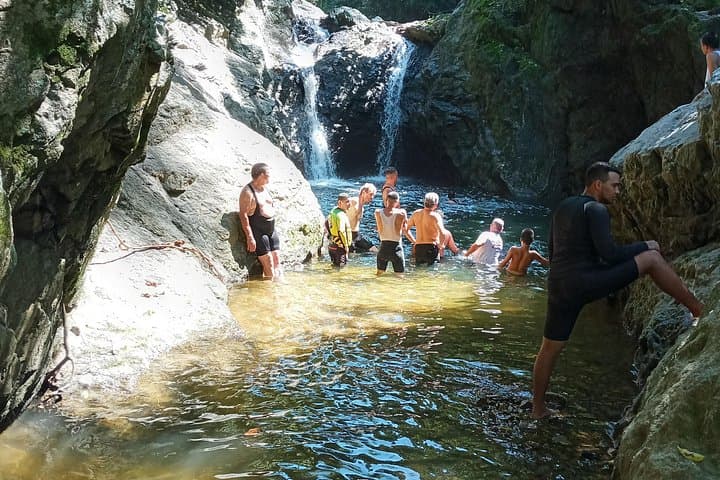
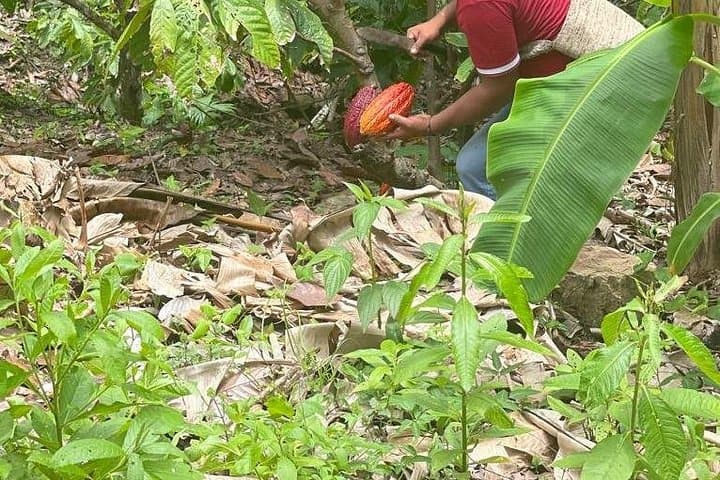
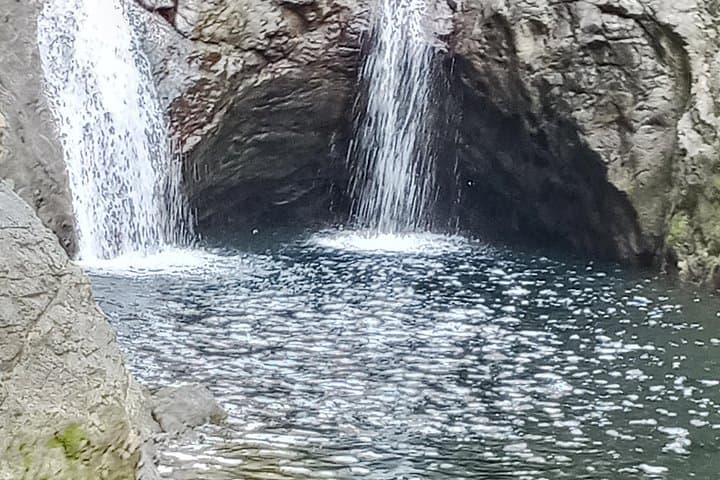
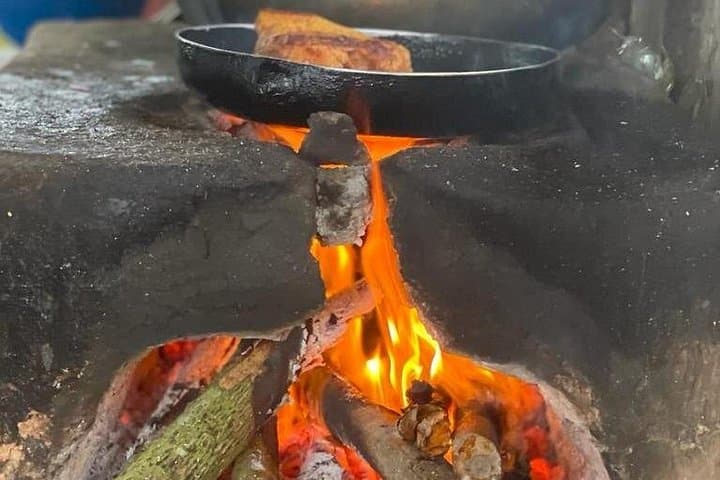
The morning air in the Sierra Nevada arrives like a slow exhale—thick with damp earth and the sweet, bright scent of cacao. On the Choco Adventure Tour you step from an air-conditioned van into a working organic plantation where leaves hush as you pass and cacao pods hang like lanterns in the understory. Women from the territory lead the day: guiding you through shaded rows, breaking open ripe pods so the white, tangy pulp can be tasted raw, and explaining how those sticky beans will become the table chocolate you sample later.
The morning air in the Sierra Nevada arrives like a slow exhale—thick with damp earth and the sweet, bright scent of cacao. On the Choco Adventure Tour you step from an air-conditioned van into a working organic plantation where leaves hush as you pass and cacao pods hang like lanterns in the understory. Women from the territory lead the day: guiding you through shaded rows, breaking open ripe pods so the white, tangy pulp can be tasted raw, and explaining how those sticky beans will become the table chocolate you sample later.
Cacao here is not a commodity so much as a craft. The Sierra Nevada of Santa Marta has a long history of smallholder agriculture shaped by Indigenous and campesino methods; the region’s volcanic soils and steep microclimates give cacao distinct floral and fruit-forward flavors. The tour threads that context into hands-on demonstrations—planting techniques, fermentation pits, and the low-heat roasting and stone-grinding that produce a 100% artisanal table chocolate infused with local aromas.
After lunch—an uncomplicated, home-style meal prepared by local families—the trip shifts toward the coast. The van drops you at Mendiguaca (often spelled Mendihuaca) beaches where the Atlantic stretches low and patient; surf and shoreline wind become the counterpoint to the farm’s hushed green. It’s a clear arc: mountain to sea in a single day, with a cultural through-line of family-run production and women-led initiatives that prioritize organic methods.
Practical side: this is an eight-hour, private excursion suitable for most fitness levels. Terrain at the farm is mostly flat to gently sloping dirt paths that can get slick in rain; footwear that grips and dries quickly is helpful. Guides include tastings and an accessible explanation of the fermentation and drying stages—knowledgeable without being technical—so you come away understanding how terroir and technique shape flavor.
Timing matters. Morning light is best for walking the plantation; the midday heat on the coast invites a slower pace and a swim. Bring cash for small purchases—granola, nougat, brownies and chocolate bread are made by peasant families and sold on site—and pack a reusable water bottle to reduce waste. If you’re interested in longer stays, ask about farmstay options that deepen the learning with overnight fermentation sessions.
This tour is equal parts edible anthropology and seaside afternoon: earthy bean-to-bar craft, the voice of local women who run the process, and a late-day shoreline that lets the day close with salt and sand. For travelers who want to taste how a place makes its chocolate and then feel the ocean brush it away, this is a clear, grounded way to spend a Santa Marta day.
