THE ADVENTURE COLLECTIVE® · Independent discovery and booking for outdoor travel
Step into Choco-Story Colmar and follow chocolate’s journey from Aztec cacao to modern confectionery. This interactive museum blends tastings, immersive displays, and live demonstrations — ideal for curious travelers and families.
Step into Choco-Story Colmar and follow chocolate’s journey from Aztec cacao to modern confectionery. This interactive museum blends tastings, immersive displays, and live demonstrations — ideal for curious travelers and families.
You step through a low doorway and the air shifts: warm, faintly spicy, threaded with roasted cocoa. In Choco-Story Colmar the visitor becomes an actor — a monkey on an animated panel tastes raw beans, a 16th-century ship creaks beneath projected sails, and a large screen frames master chocolatiers demonstrating tempering and ganache techniques.
Verified experiences and guided adventures in the surrounding area.
Operated by Choco-Story COLMAR · Colmar, Grand Est
You step through a low doorway and the air shifts: warm, faintly spicy, threaded with roasted cocoa. In Choco-Story Colmar the visitor becomes an actor — a monkey on an animated panel tastes raw beans, a 16th-century ship creaks beneath projected sails, and a large screen frames master chocolatiers demonstrating tempering and ganache techniques.
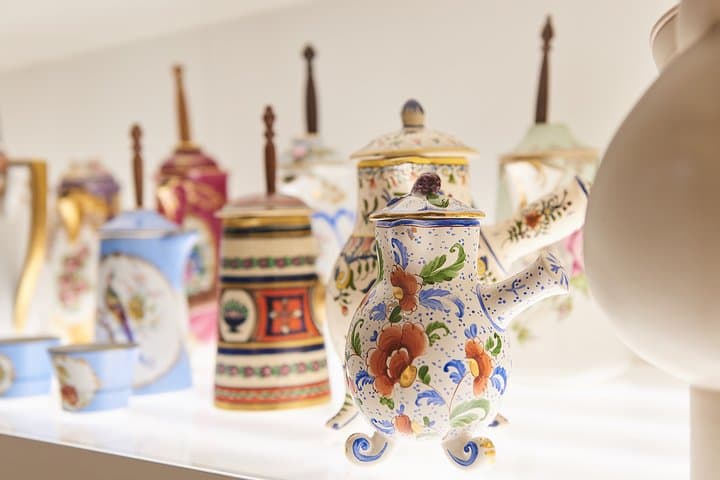
The museum traces chocolate from pre-Hispanic rituals through European salons to industrial confectionery. Displays mix history and process: Aztec cacao ceremonies, colonial trade routes that reshaped economies, and the 19th-century machines that mechanized chocolate production. The collection also leans into Alsace’s craft culture — expect locally framed displays and references to regional pâtisserie traditions.
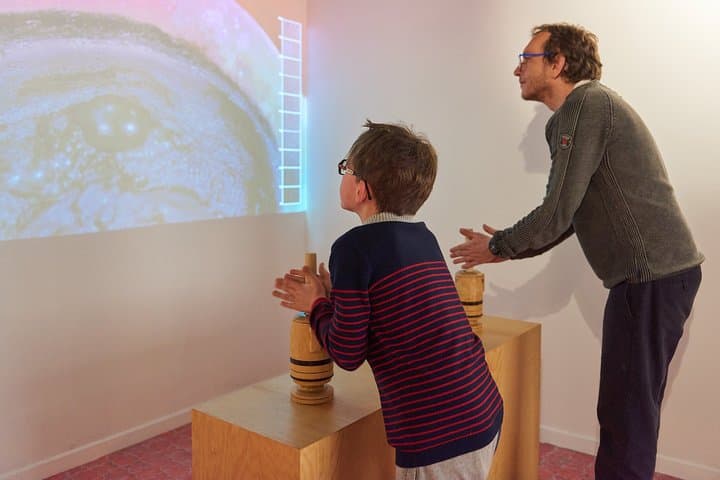
Geology and culture meet where cocoa’s tropical origins contrast with Colmar’s cool Rhine plain; the exhibit explicitly contrasts growing conditions with European tastes and techniques. Audio guides (multiple languages) and interactive stations let you taste and test rather than read.
Practical guidance: the self-guided visit runs about 90 minutes; wheelchair access and stroller access are available throughout. Tastings are included, and a giant-screen demonstration provides the showstopper if you want a visual deep dive. Book in advance during summer and school holidays to avoid queues. Wear comfortable shoes for standing and moving between rooms; bring a light layer for climate-controlled galleries. Photography is welcome at the photo terminal with costume props, but respect any no-flash signs near delicate displays. Finish your visit in the museum shop to sample single-origin bars and locally inspired confections before returning to Colmar’s canals and timbered streets.
The typical visit lasts around 90 minutes, which covers the full self-guided tour and tastings.
Yes — self-service tastings are included as part of the experience.
Yes, Choco-Story Colmar is wheelchair and stroller accessible throughout the exhibition spaces.
An audio guide is provided in multiple languages as part of the visit; check availability upon booking.
Choco-Story COLMAR operates guided outdoor trips and adventures with an emphasis on safety, stewardship, and memorable experiences.
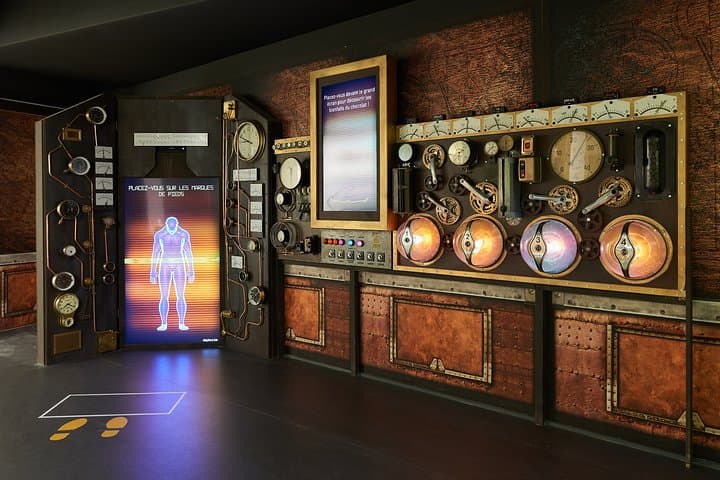
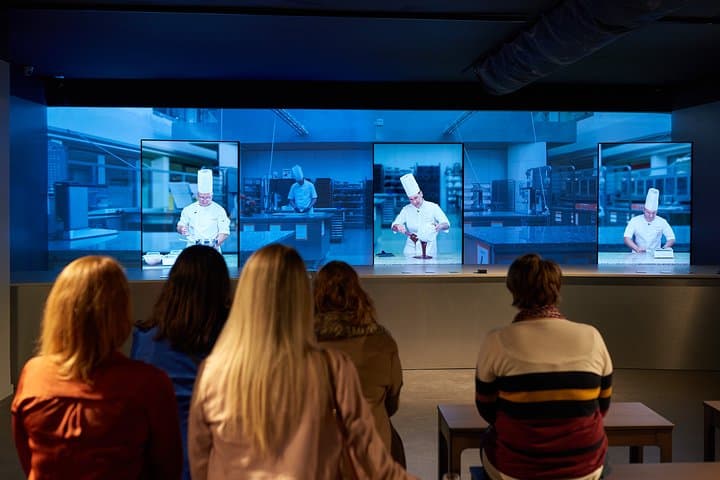
You step through a low doorway and the air shifts: warm, faintly spicy, threaded with roasted cocoa. In Choco-Story Colmar the visitor becomes an actor — a monkey on an animated panel tastes raw beans, a 16th-century ship creaks beneath projected sails, and a large screen frames master chocolatiers demonstrating tempering and ganache techniques.
You step through a low doorway and the air shifts: warm, faintly spicy, threaded with roasted cocoa. In Choco-Story Colmar the visitor becomes an actor — a monkey on an animated panel tastes raw beans, a 16th-century ship creaks beneath projected sails, and a large screen frames master chocolatiers demonstrating tempering and ganache techniques.
The museum traces chocolate from pre-Hispanic rituals through European salons to industrial confectionery. Displays mix history and process: Aztec cacao ceremonies, colonial trade routes that reshaped economies, and the 19th-century machines that mechanized chocolate production. The collection also leans into Alsace’s craft culture — expect locally framed displays and references to regional pâtisserie traditions.
Geology and culture meet where cocoa’s tropical origins contrast with Colmar’s cool Rhine plain; the exhibit explicitly contrasts growing conditions with European tastes and techniques. Audio guides (multiple languages) and interactive stations let you taste and test rather than read.
Practical guidance: the self-guided visit runs about 90 minutes; wheelchair access and stroller access are available throughout. Tastings are included, and a giant-screen demonstration provides the showstopper if you want a visual deep dive. Book in advance during summer and school holidays to avoid queues. Wear comfortable shoes for standing and moving between rooms; bring a light layer for climate-controlled galleries. Photography is welcome at the photo terminal with costume props, but respect any no-flash signs near delicate displays. Finish your visit in the museum shop to sample single-origin bars and locally inspired confections before returning to Colmar’s canals and timbered streets.
