THE ADVENTURE COLLECTIVE® · Independent discovery and booking for outdoor travel

Taste five craft chocolate bars alongside three local wines inside a small bean-to-bar factory in Chantilly. This hour-long guided pairing covers production, flavor science, and easy tips for evaluating chocolate and wine together.
Taste five craft chocolate bars alongside three local wines inside a small bean-to-bar factory in Chantilly. This hour-long guided pairing covers production, flavor science, and easy tips for evaluating chocolate and wine together.
You step through a low warehouse door and the air changes: warm, faintly sweet, the roasted edge of cacao meeting the sharper scent of uncorked bottles. Light clinks on glass as a guide lays out five small bars on a butcher-block table and three local wines in stemmed glasses. This is a tasting that asks your senses to compare textures, temperatures and astringency, not just to enjoy a treat.
Verified experiences and guided adventures in the surrounding area.
Operated by River-Sea Chocolates · Chantilly, VA
You step through a low warehouse door and the air changes: warm, faintly sweet, the roasted edge of cacao meeting the sharper scent of uncorked bottles. Light clinks on glass as a guide lays out five small bars on a butcher-block table and three local wines in stemmed glasses. This is a tasting that asks your senses to compare textures, temperatures and astringency, not just to enjoy a treat.
The experience is set in northern Virginia, where Civil War skirmishes left place names like Chantilly and the land now moves from suburban streets to preserved farms and the Potomac lowlands. The bean-to-bar craft movement here blends imported cacao with Mid-Atlantic winemaking — a short, modern chapter in a region defined by colonial-era mills and Air & Space exhibits a few miles away.
Inside the factory, machinery hums gently: roasters turning brown beans, grinders reducing paste to glossy chocolate, tempering machines aligning crystals for snap. Guides explain sourcing, roast profiles, and how tannins in red wine push chocolate’s acidity forward while sweet whites soften bitter notes.
Practical guidance: the session runs about 60 minutes and is wheelchair accessible. Bring a government ID for wine service, arrive 10 minutes early, and avoid strong fragrances that can mask tasting notes. Purchase limits are small, so plan for a takeaway bar or two if you want to compare at home.
Whether you go for a culinary curiosity or a relaxed indoor tasting, this pairing is low-effort, sensory-focused, and a compact way to learn both chocolate production and how local Virginia wines play against bean-to-bar craft profiles.
Yes—this experience includes wine, so attendees must present valid photo ID proving they are 21 or older.
Yes—the listing indicates wheelchair-accessible surfaces and transportation options; contact the operator for specific needs.
Yes—most tastings offer small-batch bars for sale, though popular varieties can sell out by the end of the session.
Children are typically permitted if not consuming alcohol, but check with the operator since sessions focus on tasting and contain alcohol.
River-Sea Chocolates operates guided outdoor trips and adventures with an emphasis on safety, stewardship, and memorable experiences.
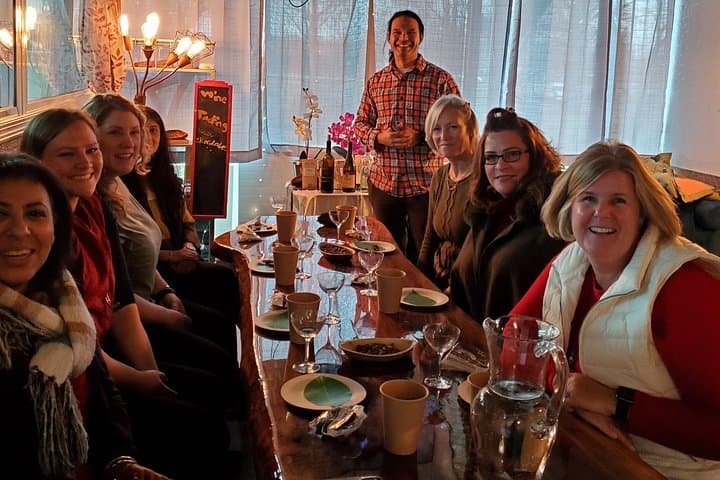
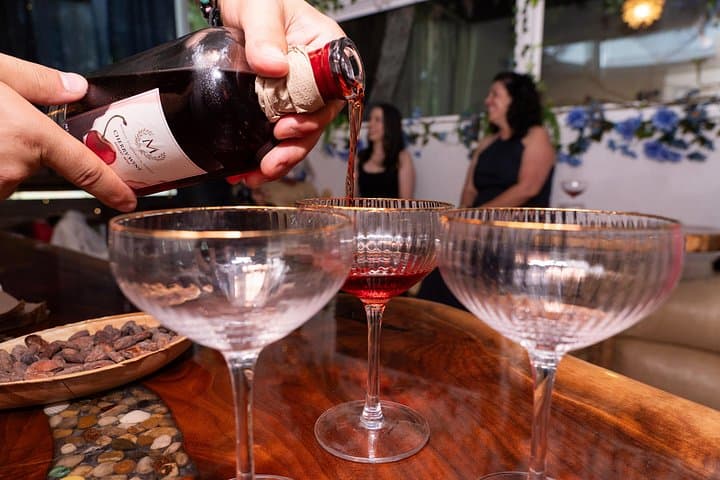
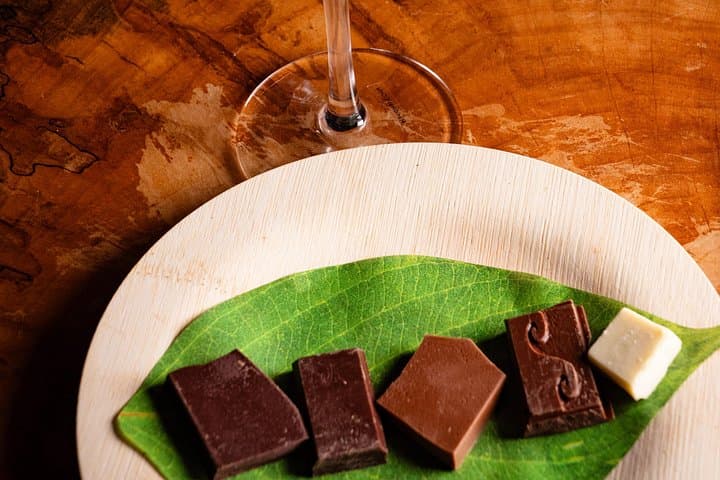
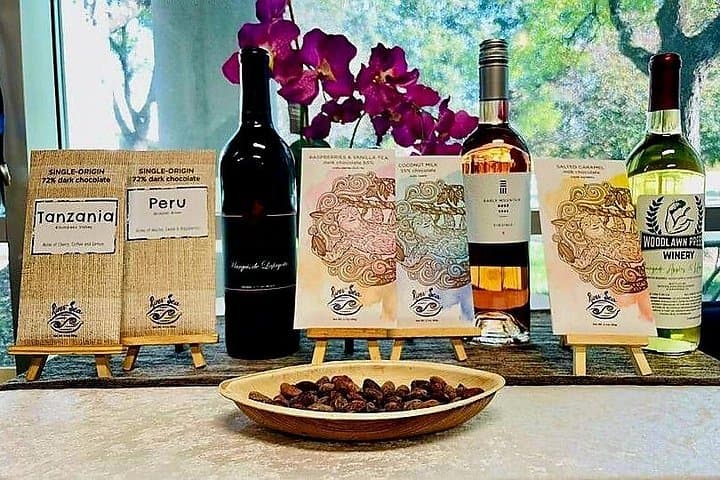
You step through a low warehouse door and the air changes: warm, faintly sweet, the roasted edge of cacao meeting the sharper scent of uncorked bottles. Light clinks on glass as a guide lays out five small bars on a butcher-block table and three local wines in stemmed glasses. This is a tasting that asks your senses to compare textures, temperatures and astringency, not just to enjoy a treat.
You step through a low warehouse door and the air changes: warm, faintly sweet, the roasted edge of cacao meeting the sharper scent of uncorked bottles. Light clinks on glass as a guide lays out five small bars on a butcher-block table and three local wines in stemmed glasses. This is a tasting that asks your senses to compare textures, temperatures and astringency, not just to enjoy a treat.
The experience is set in northern Virginia, where Civil War skirmishes left place names like Chantilly and the land now moves from suburban streets to preserved farms and the Potomac lowlands. The bean-to-bar craft movement here blends imported cacao with Mid-Atlantic winemaking — a short, modern chapter in a region defined by colonial-era mills and Air & Space exhibits a few miles away.
Inside the factory, machinery hums gently: roasters turning brown beans, grinders reducing paste to glossy chocolate, tempering machines aligning crystals for snap. Guides explain sourcing, roast profiles, and how tannins in red wine push chocolate’s acidity forward while sweet whites soften bitter notes.
Practical guidance: the session runs about 60 minutes and is wheelchair accessible. Bring a government ID for wine service, arrive 10 minutes early, and avoid strong fragrances that can mask tasting notes. Purchase limits are small, so plan for a takeaway bar or two if you want to compare at home.
Whether you go for a culinary curiosity or a relaxed indoor tasting, this pairing is low-effort, sensory-focused, and a compact way to learn both chocolate production and how local Virginia wines play against bean-to-bar craft profiles.