THE ADVENTURE COLLECTIVE® · Independent discovery and booking for outdoor travel

Explore a two-hour, hands-on cacao tour in Chilamate, Sarapiquí—where fermentation pits, tasting rounds, and conservation-minded farming explain how chocolate grows from tree to cup.
Explore a two-hour, hands-on cacao tour in Chilamate, Sarapiquí—where fermentation pits, tasting rounds, and conservation-minded farming explain how chocolate grows from tree to cup.
Morning mist lifts off the private reserve as guides lead a small group beneath a high canopy of cacoa and hardwoods. The smell of wet earth and ripe fruit meets you first; a farmer splits a cacao pod and the pale seeds gleam like raw treasure. This two-hour tour in Chilamate, Sarapiquí, moves deliberately from tree to table—showing flowers, pollination, harvesting, fermentation beds and a hands-on grinding of paste into tasting squares.
Verified experiences and guided adventures in the surrounding area.
Operated by Costa Rica Best Chocolate · Chilamate, Heredia
Morning mist lifts off the private reserve as guides lead a small group beneath a high canopy of cacoa and hardwoods. The smell of wet earth and ripe fruit meets you first; a farmer splits a cacao pod and the pale seeds gleam like raw treasure. This two-hour tour in Chilamate, Sarapiquí, moves deliberately from tree to table—showing flowers, pollination, harvesting, fermentation beds and a hands-on grinding of paste into tasting squares.
The region sits on lowland alluvial soils shaped by volcanic activity from the Central Valley and rivers that cut through older sediment, creating rich ground for cacao. Cacao has fed local markets and culture for centuries; at this reserve guides connect that agricultural history to contemporary conservation—explaining agroforestry, shade-grown cacao, and the role of smallholders in protecting corridors for toucans and monkeys.
Expect a practical, sensory program: sample fresh pulp, taste fermented beans, and sip traditional hot chocolate while a guide translates production steps and sustainable practices. Walks are on compact dirt trails through secondary forest with gentle grades—no technical hiking required.
Practical notes: bring closed-toe shoes, rain protection, and cash if you want extra chocolate to take home. Best times are morning or late afternoon to avoid the heaviest rain and to watch birds become active. The experience is family friendly and bilingual; it’s an accessible, low-impact way to learn how local communities balance production with biodiversity protection in northern Heredia.
The standard visit lasts about two hours and includes guided stops across the plantation plus tasting sessions.
Yes—families are welcome; activities are hands-on but gentle, and strollers may be used on main paths.
Tours are conducted in English and Spanish; confirm language needs at booking if you require another language.
Full refunds are available for cancellations made at least 24 hours before the scheduled start; check your booking confirmation for details.
Costa Rica Best Chocolate operates guided outdoor trips and adventures with an emphasis on safety, stewardship, and memorable experiences.
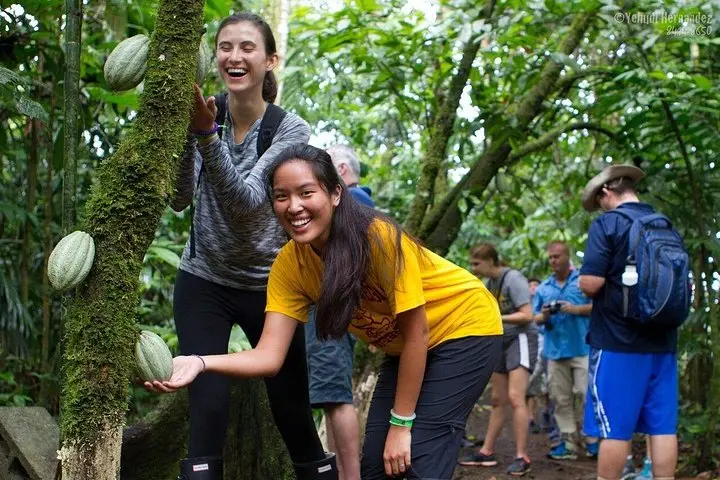
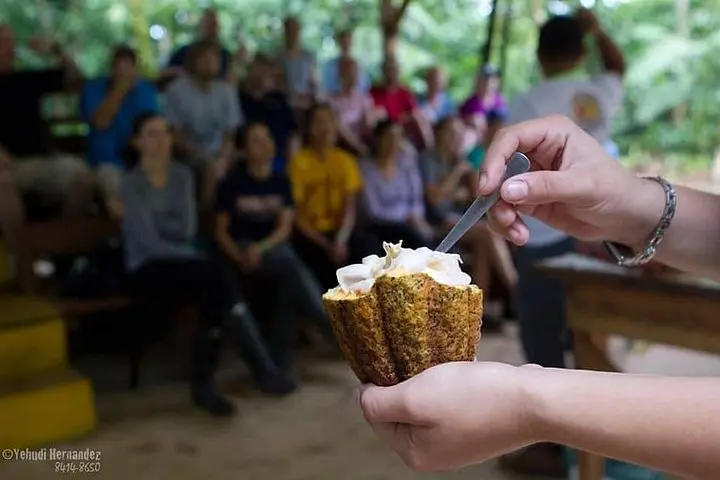
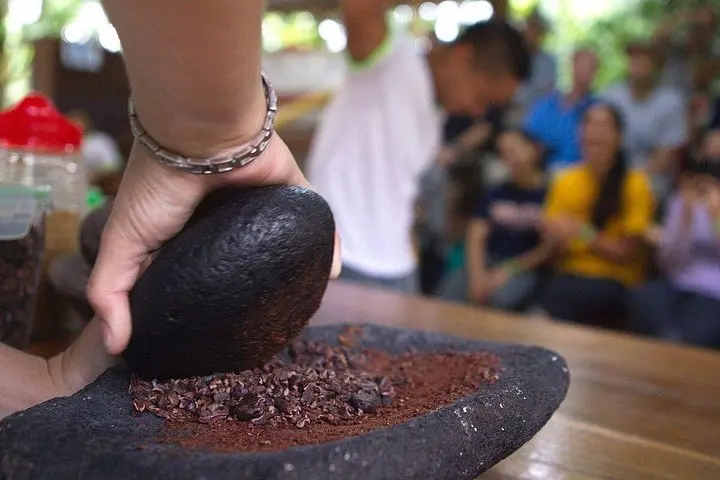
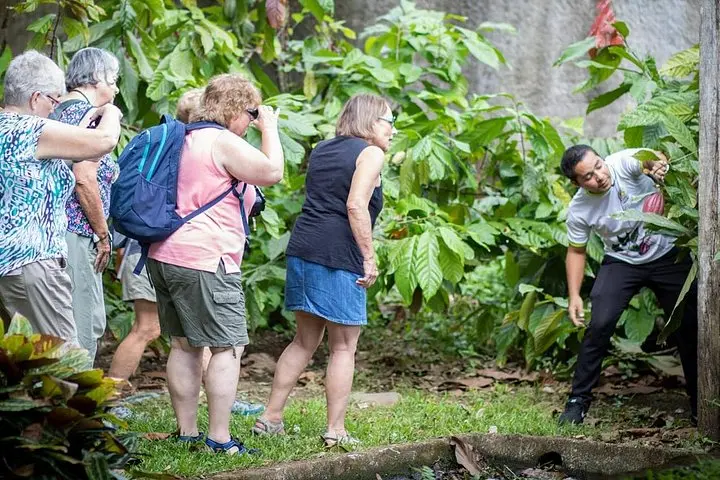
Morning mist lifts off the private reserve as guides lead a small group beneath a high canopy of cacoa and hardwoods. The smell of wet earth and ripe fruit meets you first; a farmer splits a cacao pod and the pale seeds gleam like raw treasure. This two-hour tour in Chilamate, Sarapiquí, moves deliberately from tree to table—showing flowers, pollination, harvesting, fermentation beds and a hands-on grinding of paste into tasting squares.
Morning mist lifts off the private reserve as guides lead a small group beneath a high canopy of cacoa and hardwoods. The smell of wet earth and ripe fruit meets you first; a farmer splits a cacao pod and the pale seeds gleam like raw treasure. This two-hour tour in Chilamate, Sarapiquí, moves deliberately from tree to table—showing flowers, pollination, harvesting, fermentation beds and a hands-on grinding of paste into tasting squares.
The region sits on lowland alluvial soils shaped by volcanic activity from the Central Valley and rivers that cut through older sediment, creating rich ground for cacao. Cacao has fed local markets and culture for centuries; at this reserve guides connect that agricultural history to contemporary conservation—explaining agroforestry, shade-grown cacao, and the role of smallholders in protecting corridors for toucans and monkeys.
Expect a practical, sensory program: sample fresh pulp, taste fermented beans, and sip traditional hot chocolate while a guide translates production steps and sustainable practices. Walks are on compact dirt trails through secondary forest with gentle grades—no technical hiking required.
Practical notes: bring closed-toe shoes, rain protection, and cash if you want extra chocolate to take home. Best times are morning or late afternoon to avoid the heaviest rain and to watch birds become active. The experience is family friendly and bilingual; it’s an accessible, low-impact way to learn how local communities balance production with biodiversity protection in northern Heredia.