THE ADVENTURE COLLECTIVE® · Independent discovery and booking for outdoor travel

Walk a shaded trail into a working cocoa collection and taste raw cacao fruit before learning how sugar cane and coffee shaped the region. This two-hour, accessible experience at Vista Los Sueños blends botany, history, and hands-on chocolate making.
Walk a shaded trail into a working cocoa collection and taste raw cacao fruit before learning how sugar cane and coffee shaped the region. This two-hour, accessible experience at Vista Los Sueños blends botany, history, and hands-on chocolate making.
The air smells of damp earth and citrus when the trail opens into a sun-splashed cocoa grove. A short, thirty-minute walk through the Central Pacific transitional forest sets the tempo: leaves flick like pages and a chorus of birds punctuates the guide’s stories. Pods hang like lanterns along low trunks; you’ll slice one open and taste the sweet, tangy pulp of raw cacao before it becomes the bars on a souvenir shelf.
Verified experiences and guided adventures in the surrounding area.
Operated by Playa Hermosa Vacation · Herradura, Puntarenas
The air smells of damp earth and citrus when the trail opens into a sun-splashed cocoa grove. A short, thirty-minute walk through the Central Pacific transitional forest sets the tempo: leaves flick like pages and a chorus of birds punctuates the guide’s stories. Pods hang like lanterns along low trunks; you’ll slice one open and taste the sweet, tangy pulp of raw cacao before it becomes the bars on a souvenir shelf.
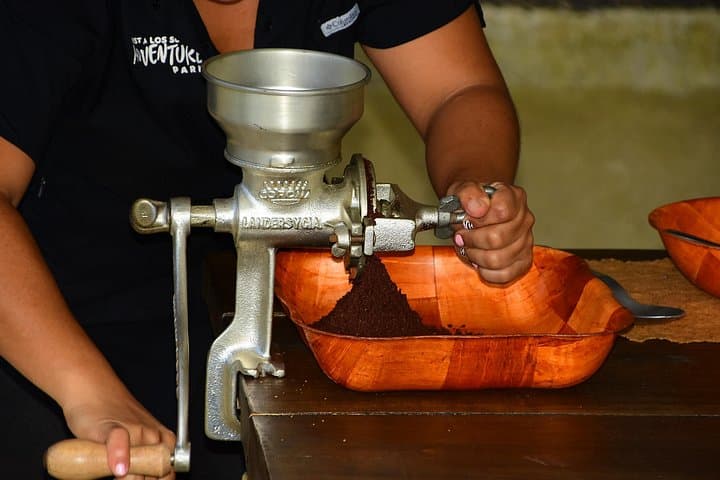
Cacao has been part of Costa Rica’s rural economy since pre-Columbian times, later tied into colonial agricultural shifts that emphasized coffee and sugar cane. Geology here—volcanic soils overlain with alluvial deposits—creates rich, well-draining ground that cocoa and coffee favor. At Vista Los Sueños you’ll move from botany to process: varietal differences, fermentation basics, and hands-on pod processing, then blending chocolate with local tropical fruits.
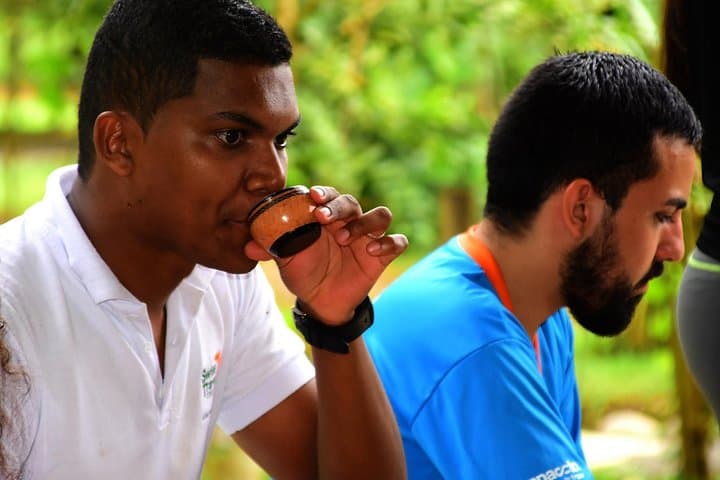
The experience balances sensory learning and accessibility: it’s family-friendly, wheelchair-accessible in many areas, and paced for casual walkers. Expect 2 hours total with a guided walk, a tasting session, a demo of sugar-cane and coffee plants, and an opportunity to buy small-batch organic chocolate bars. Practical notes: go in the morning to avoid peak heat and afternoon showers, bring insect repellent, and plan for light, closed-toe footwear for the grove. The visit is both cultural and instructional—part agro-tour, part tasting lab—ideal for travelers who want a tangible link to Costa Rica’s agricultural roots without a long trek.
The introductory walk is about 30 minutes on mostly flat, well-maintained paths; the overall experience lasts roughly two hours and is rated easy.
Yes—raw cocoa fruit tasting and several chocolate samples are included; small-batch organic bars and other cocoa products are available for purchase at the end.
Yes, the site lists wheelchair and stroller accessibility and is family-friendly; notify the operator of mobility needs when booking for accommodations.
You can receive a full refund if you cancel at least 24 hours before the scheduled departure; no refund within 24 hours.
Playa Hermosa Vacation operates guided outdoor trips and adventures with an emphasis on safety, stewardship, and memorable experiences.


The air smells of damp earth and citrus when the trail opens into a sun-splashed cocoa grove. A short, thirty-minute walk through the Central Pacific transitional forest sets the tempo: leaves flick like pages and a chorus of birds punctuates the guide’s stories. Pods hang like lanterns along low trunks; you’ll slice one open and taste the sweet, tangy pulp of raw cacao before it becomes the bars on a souvenir shelf.
The air smells of damp earth and citrus when the trail opens into a sun-splashed cocoa grove. A short, thirty-minute walk through the Central Pacific transitional forest sets the tempo: leaves flick like pages and a chorus of birds punctuates the guide’s stories. Pods hang like lanterns along low trunks; you’ll slice one open and taste the sweet, tangy pulp of raw cacao before it becomes the bars on a souvenir shelf.
Cacao has been part of Costa Rica’s rural economy since pre-Columbian times, later tied into colonial agricultural shifts that emphasized coffee and sugar cane. Geology here—volcanic soils overlain with alluvial deposits—creates rich, well-draining ground that cocoa and coffee favor. At Vista Los Sueños you’ll move from botany to process: varietal differences, fermentation basics, and hands-on pod processing, then blending chocolate with local tropical fruits.
The experience balances sensory learning and accessibility: it’s family-friendly, wheelchair-accessible in many areas, and paced for casual walkers. Expect 2 hours total with a guided walk, a tasting session, a demo of sugar-cane and coffee plants, and an opportunity to buy small-batch organic chocolate bars. Practical notes: go in the morning to avoid peak heat and afternoon showers, bring insect repellent, and plan for light, closed-toe footwear for the grove. The visit is both cultural and instructional—part agro-tour, part tasting lab—ideal for travelers who want a tangible link to Costa Rica’s agricultural roots without a long trek.