THE ADVENTURE COLLECTIVE® · Independent discovery and booking for outdoor travel

A five-day traverse from Chogoria to Sirimon that climbs to Point Lenana (4,985m). Expect bamboo forests, moorland ridges and a predawn summit push for sunrise over the Gorges Valley.
A five-day traverse from Chogoria to Sirimon that climbs to Point Lenana (4,985m). Expect bamboo forests, moorland ridges and a predawn summit push for sunrise over the Gorges Valley.
Pre-dawn light slices the high moorlands as you step onto the trail toward Point Lenana, Africa’s accessible summit. The Chogoria–Sirimon traverse threads bamboo ravines, glacial valleys and wide heathland, moving from lush eastern slopes to the dry northwest descent.
Verified experiences and guided adventures in the surrounding area.
Operated by Africa Tours · Nanyuki, Laikipia County
Pre-dawn light slices the high moorlands as you step onto the trail toward Point Lenana, Africa’s accessible summit. The Chogoria–Sirimon traverse threads bamboo ravines, glacial valleys and wide heathland, moving from lush eastern slopes to the dry northwest descent.
Geology here reads like a slow-motion story: ancient volcanic plugs, glacial cirques and the Gorges Valley carved by ice and time. The Kikuyu and Embu communities revere the mountain; its peaks fed local myths and remain central to cultural identity. Mount Kenya National Park is also a UNESCO Biosphere Reserve—its fragile afro-alpine plants and ericaceous forest need careful footing.
Expect steady, long days rather than technical climbing. Routes climb from ~2,900m to 4,985m at Point Lenana; hikers cross bamboo, montane forest, moorland and rocky ridgelines. Nights are simple camps and mountain bandas with basic cook support and porters ferrying gear. Weather changes fast: sun, wind and biting cold can come in hours.
Practicalities: acclimatize and drink often; summit attempts start very early (around 03:00) for sunrise on Lenana. Good boots, warm layers, a headlamp and water treatment are essential. Park permits and porters are standard; choose a guided group if unsure about altitude management.
This traverse rewards with vast panoramas of the Gorges Valley, glacier remnants and an African sunrise from nearly 5,000m—an attainable high-altitude trek that demands respect, fitness and basic alpine sense.
No. Point Lenana is a non-technical trekking summit; good boots and the ability to hike at altitude are sufficient.
Altitude sickness is the main risk—follow a conservative ascent profile, hydrate, eat, and descend if symptoms worsen; guided trips usually carry oxygen and trained staff.
Yes. Mount Kenya National Park fees and a climbing permit are required; organized tours typically handle permits and porter arrangements.
Yes. Local guides and porters are readily available and recommended for safety, carrying gear and managing campsite logistics.
Africa Tours operates guided outdoor trips and adventures with an emphasis on safety, stewardship, and memorable experiences.
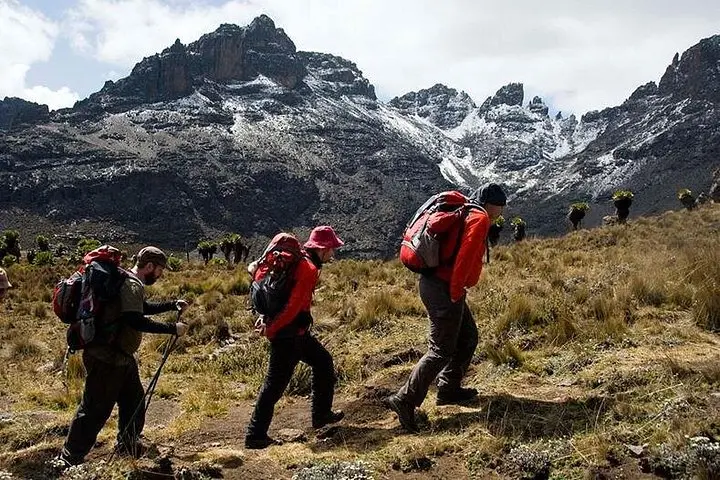
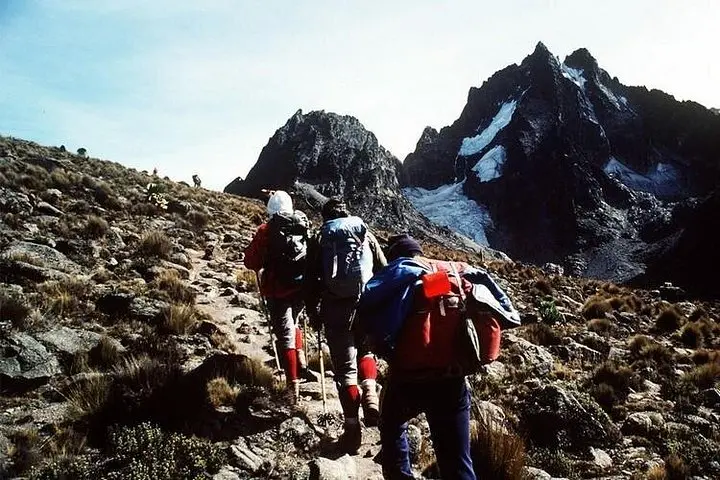
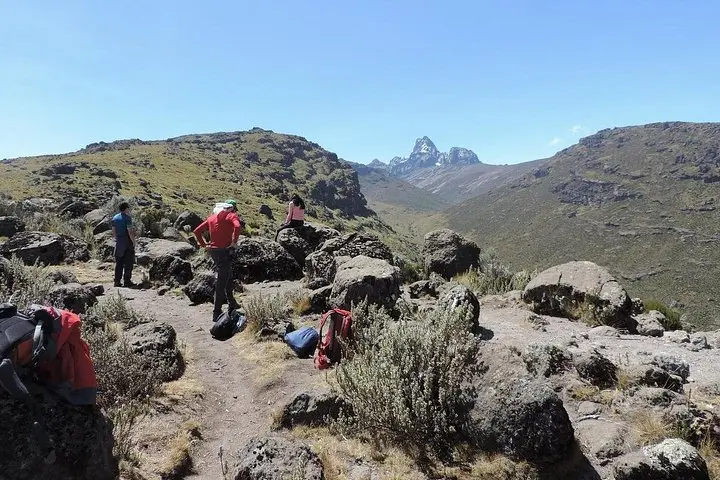
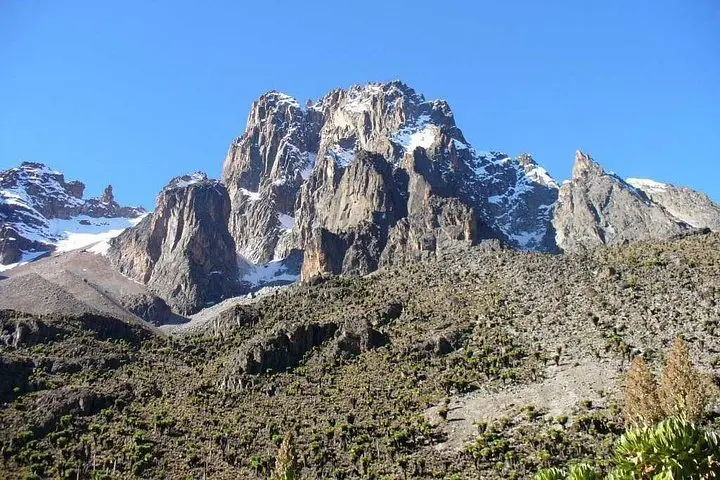
Pre-dawn light slices the high moorlands as you step onto the trail toward Point Lenana, Africa’s accessible summit. The Chogoria–Sirimon traverse threads bamboo ravines, glacial valleys and wide heathland, moving from lush eastern slopes to the dry northwest descent.
Pre-dawn light slices the high moorlands as you step onto the trail toward Point Lenana, Africa’s accessible summit. The Chogoria–Sirimon traverse threads bamboo ravines, glacial valleys and wide heathland, moving from lush eastern slopes to the dry northwest descent.
Geology here reads like a slow-motion story: ancient volcanic plugs, glacial cirques and the Gorges Valley carved by ice and time. The Kikuyu and Embu communities revere the mountain; its peaks fed local myths and remain central to cultural identity. Mount Kenya National Park is also a UNESCO Biosphere Reserve—its fragile afro-alpine plants and ericaceous forest need careful footing.
Expect steady, long days rather than technical climbing. Routes climb from ~2,900m to 4,985m at Point Lenana; hikers cross bamboo, montane forest, moorland and rocky ridgelines. Nights are simple camps and mountain bandas with basic cook support and porters ferrying gear. Weather changes fast: sun, wind and biting cold can come in hours.
Practicalities: acclimatize and drink often; summit attempts start very early (around 03:00) for sunrise on Lenana. Good boots, warm layers, a headlamp and water treatment are essential. Park permits and porters are standard; choose a guided group if unsure about altitude management.
This traverse rewards with vast panoramas of the Gorges Valley, glacier remnants and an African sunrise from nearly 5,000m—an attainable high-altitude trek that demands respect, fitness and basic alpine sense.