THE ADVENTURE COLLECTIVE® · Independent discovery and booking for outdoor travel

Spend a full day exploring Wulong Karst’s dramatic Three Natural Bridges on a private tour from Chongqing. This guide covers what to expect on the walk, the geological story behind the formations, and practical tips to prepare for the day.
Spend a full day exploring Wulong Karst’s dramatic Three Natural Bridges on a private tour from Chongqing. This guide covers what to expect on the walk, the geological story behind the formations, and practical tips to prepare for the day.
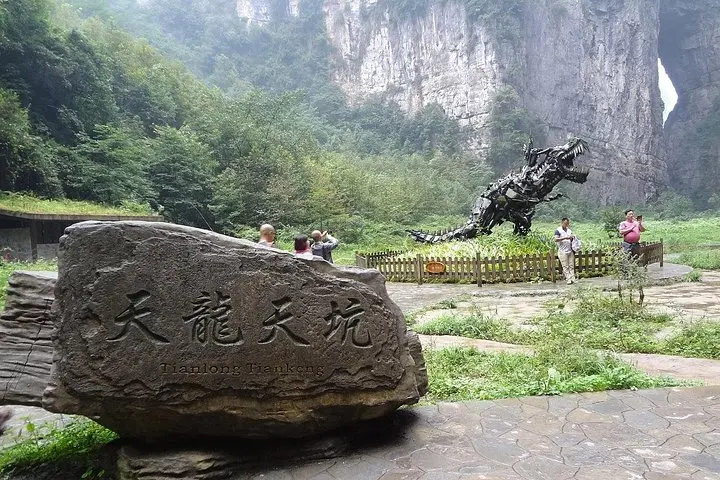
You arrive before the bridges do — the road unspools through limestone hills, tea terraces giving way to ragged cliffs. Air smells faintly of damp stone as a private driver threads narrow switchbacks into Wulong County. At the park gate the world opens: three colossal stone arches rise like carved ribs, shadows pooling in the gorge beneath while a river dares you to look over the rim.
Verified experiences and guided adventures in the surrounding area.
Operated by Travel China Guide · Wulong, Chongqing
You arrive before the bridges do — the road unspools through limestone hills, tea terraces giving way to ragged cliffs. Air smells faintly of damp stone as a private driver threads narrow switchbacks into Wulong County. At the park gate the world opens: three colossal stone arches rise like carved ribs, shadows pooling in the gorge beneath while a river dares you to look over the rim.
The Three Natural Bridges are part of the Wulong Karst, a UNESCO World Heritage landscape shaped over millennia by dissolution and collapse. Walkways and stairs lead down to viewpoints and an ancient Tang‑dynasty staging post, whose wooden rooms speak to centuries of travelers on this route. Geology here is readable: horizontal bedding, vertical shafts and collapsed dolines that formed the cave systems and bridges you see.
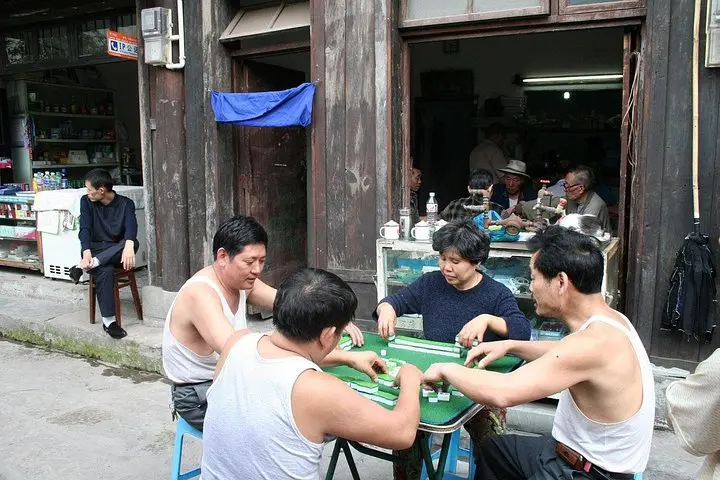
Local culture leans rural—tea farms, small markets and roadside vendors selling snacks and herbal teas. Guides often point out how farming and tourism now share the valley floor, and how seasonal rains accelerate the karst processes that keep this landscape changing.
Practical stuff: the tour is a full day (about 8–9 hours roundtrip from Chongqing) with roughly 2–3 hours of on‑site walking on paved and carved stone paths and some short stair descents. Wear grippy shoes for narrow, sometimes wet trails; bring water, sun protection and a lightweight rain shell for sudden showers. Expect limited cell signal in the gorge and a steady climb back to the parking area, so pace yourself and use the guide’s local knowledge to time photos and quieter viewpoints.
The private transfer is about 3 hours each way depending on traffic, making the whole excursion roughly 8–9 hours including site time.
This tour includes entrance to Wulong Karst Geological Park as listed in the inclusions.
The paths are generally well maintained but include stairs and narrow sections; it’s rated easy to moderate—consider mobility limits and pace accordingly.
A private English-speaking guide is provided to explain geological features, local history and route logistics.
Travel China Guide operates guided outdoor trips and adventures with an emphasis on safety, stewardship, and memorable experiences.


You arrive before the bridges do — the road unspools through limestone hills, tea terraces giving way to ragged cliffs. Air smells faintly of damp stone as a private driver threads narrow switchbacks into Wulong County. At the park gate the world opens: three colossal stone arches rise like carved ribs, shadows pooling in the gorge beneath while a river dares you to look over the rim.
You arrive before the bridges do — the road unspools through limestone hills, tea terraces giving way to ragged cliffs. Air smells faintly of damp stone as a private driver threads narrow switchbacks into Wulong County. At the park gate the world opens: three colossal stone arches rise like carved ribs, shadows pooling in the gorge beneath while a river dares you to look over the rim.
The Three Natural Bridges are part of the Wulong Karst, a UNESCO World Heritage landscape shaped over millennia by dissolution and collapse. Walkways and stairs lead down to viewpoints and an ancient Tang‑dynasty staging post, whose wooden rooms speak to centuries of travelers on this route. Geology here is readable: horizontal bedding, vertical shafts and collapsed dolines that formed the cave systems and bridges you see.
Local culture leans rural—tea farms, small markets and roadside vendors selling snacks and herbal teas. Guides often point out how farming and tourism now share the valley floor, and how seasonal rains accelerate the karst processes that keep this landscape changing.
Practical stuff: the tour is a full day (about 8–9 hours roundtrip from Chongqing) with roughly 2–3 hours of on‑site walking on paved and carved stone paths and some short stair descents. Wear grippy shoes for narrow, sometimes wet trails; bring water, sun protection and a lightweight rain shell for sudden showers. Expect limited cell signal in the gorge and a steady climb back to the parking area, so pace yourself and use the guide’s local knowledge to time photos and quieter viewpoints.