THE ADVENTURE COLLECTIVE® · Independent discovery and booking for outdoor travel

Follow a challenging 4-day route from Cachora to Choquequirao, camping below terraces and climbing to panoramic Inca ruins. This guided expedition combines steep canyon hiking with cultural insights from local Quechua communities.
Follow a challenging 4-day route from Cachora to Choquequirao, camping below terraces and climbing to panoramic Inca ruins. This guided expedition combines steep canyon hiking with cultural insights from local Quechua communities.
The trail drops like a page turning: dusty switchbacks from Cachora unspool into a canyon where the Apurímac River dares you to follow. On day one hikers descend through scrub and eucalyptus, the river's roar below, and by evening the camp's breath is warm with cooking smoke and quiet conversation.
Verified experiences and guided adventures in the surrounding area.
Operated by mukys travel peru · Cachora, Apurímac
The trail drops like a page turning: dusty switchbacks from Cachora unspool into a canyon where the Apurímac River dares you to follow. On day one hikers descend through scrub and eucalyptus, the river's roar below, and by evening the camp's breath is warm with cooking smoke and quiet conversation.
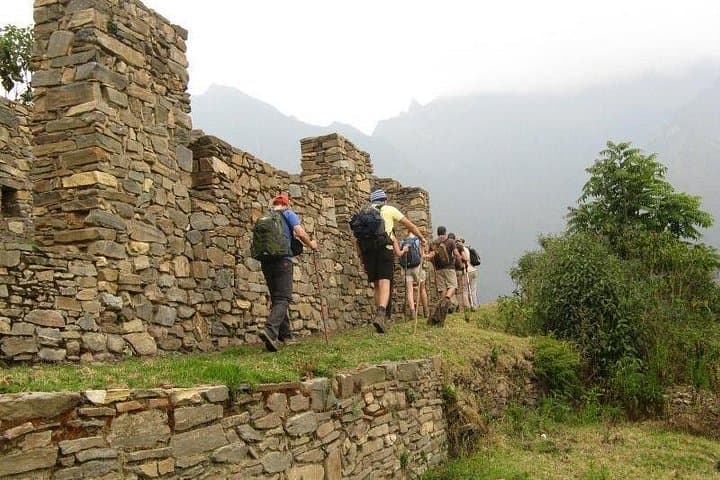
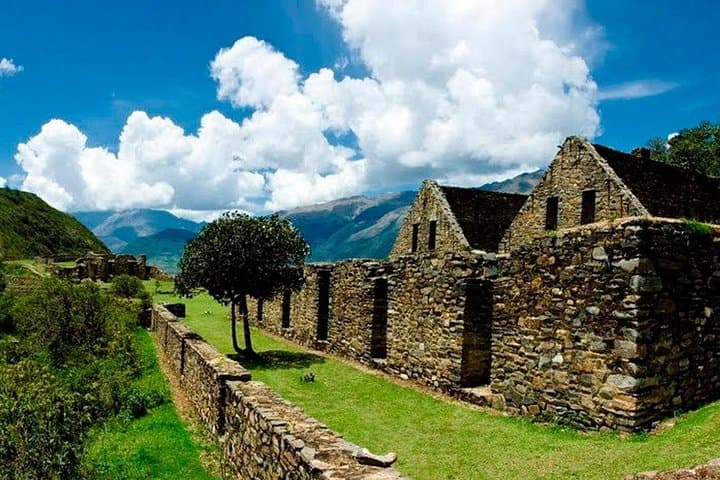
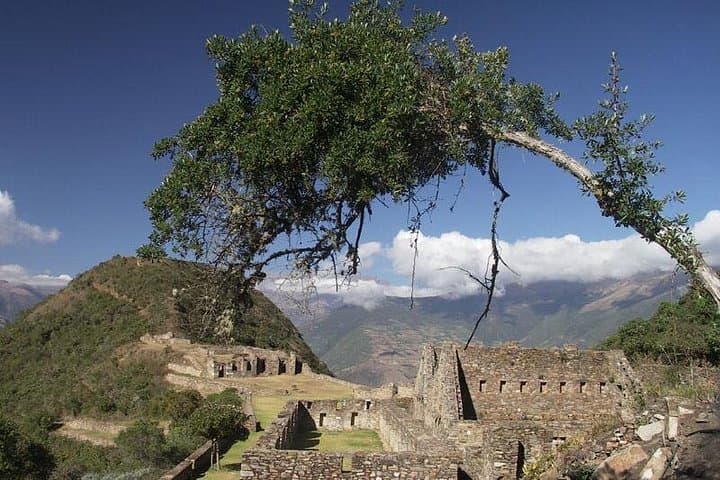
Choquequirao sits on a high natural terrace where Inca stonework confronts steep valley walls. Less visited than Machu Picchu, its plazas, terraces and carved water channels reveal a deliberate, defensive siting and a history of imperial agricultural engineering. Geologically, the trek crosses Andean schists and river-cut canyons; expect steep descents and hard, rocky ascents that demand steady footing.
Local Quechua communities in Cachora and surrounding hamlets maintain llama and farming traditions; guides often share stories about the site’s role in regional trade and ceremonial life. The route also offers birdwatching and the occasional spectacled bear sign in higher ridges.
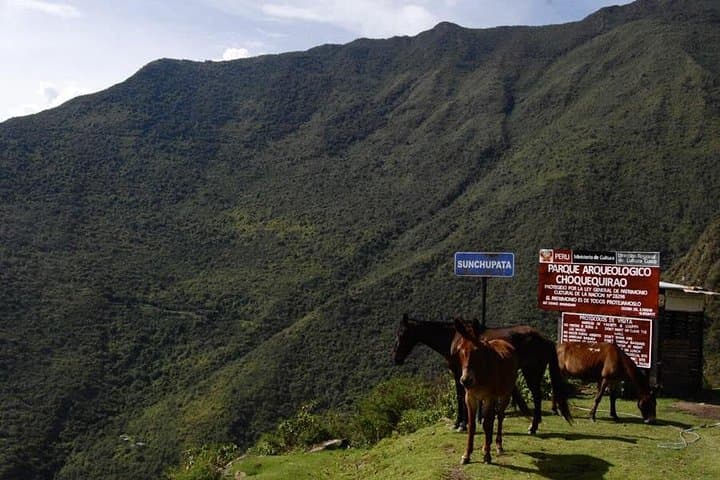
Practical guidance: budget for four days, camping one or more nights in basic tents provided by the operator; horses are commonly used to carry heavy loads. Acclimatize in Cusco or Abancay for 24–48 hours if you're coming from low altitude. Pack layered clothing for warm days and freezing nights, and bring a reliable headlamp and water purification. Daily hiking sections include long descents into the valley and strenuous climbs back up—plan your pace, protect knees with poles, and hydrate regularly. With good planning this route rewards travelers with broad mountain views, quiet ruins, and a strong sense of walking where the Incas once ruled.
Expect steep, sustained ascents and descents; the route is physically demanding and best for fit hikers with previous multi-day trekking experience.
Yes—operators typically provide tents, sleeping mats and group cooking; bring your own sleeping bag rated for cold nights.
There is an entrance fee for Choquequirao ruins paid locally; permits are generally managed by tour operators for guided treks.
Yes—many operators include pack horses to carry heavy gear; riders may also be available, but riding on steep trails varies by provider.
mukys travel peru operates guided outdoor trips and adventures with an emphasis on safety, stewardship, and memorable experiences.
The trail drops like a page turning: dusty switchbacks from Cachora unspool into a canyon where the Apurímac River dares you to follow. On day one hikers descend through scrub and eucalyptus, the river's roar below, and by evening the camp's breath is warm with cooking smoke and quiet conversation.
The trail drops like a page turning: dusty switchbacks from Cachora unspool into a canyon where the Apurímac River dares you to follow. On day one hikers descend through scrub and eucalyptus, the river's roar below, and by evening the camp's breath is warm with cooking smoke and quiet conversation.
Choquequirao sits on a high natural terrace where Inca stonework confronts steep valley walls. Less visited than Machu Picchu, its plazas, terraces and carved water channels reveal a deliberate, defensive siting and a history of imperial agricultural engineering. Geologically, the trek crosses Andean schists and river-cut canyons; expect steep descents and hard, rocky ascents that demand steady footing.
Local Quechua communities in Cachora and surrounding hamlets maintain llama and farming traditions; guides often share stories about the site’s role in regional trade and ceremonial life. The route also offers birdwatching and the occasional spectacled bear sign in higher ridges.
Practical guidance: budget for four days, camping one or more nights in basic tents provided by the operator; horses are commonly used to carry heavy loads. Acclimatize in Cusco or Abancay for 24–48 hours if you're coming from low altitude. Pack layered clothing for warm days and freezing nights, and bring a reliable headlamp and water purification. Daily hiking sections include long descents into the valley and strenuous climbs back up—plan your pace, protect knees with poles, and hydrate regularly. With good planning this route rewards travelers with broad mountain views, quiet ruins, and a strong sense of walking where the Incas once ruled.