THE ADVENTURE COLLECTIVE® · Independent discovery and booking for outdoor travel

A demanding four-day trek from Cusco to Choquequirao that crosses the Apurímac Canyon, combines steep ascents and overnight camping, and finishes with a visit to an expansive Inca site. Ideal for hikers with some altitude experience and a taste for remote archaeology.
A demanding four-day trek from Cusco to Choquequirao that crosses the Apurímac Canyon, combines steep ascents and overnight camping, and finishes with a visit to an expansive Inca site. Ideal for hikers with some altitude experience and a taste for remote archaeology.
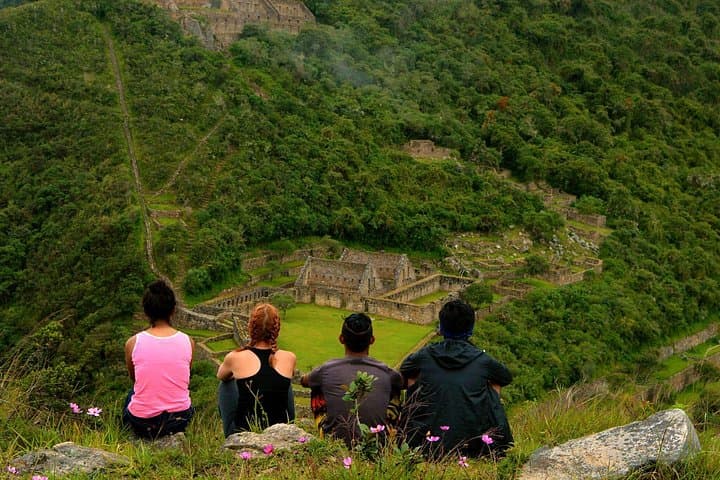
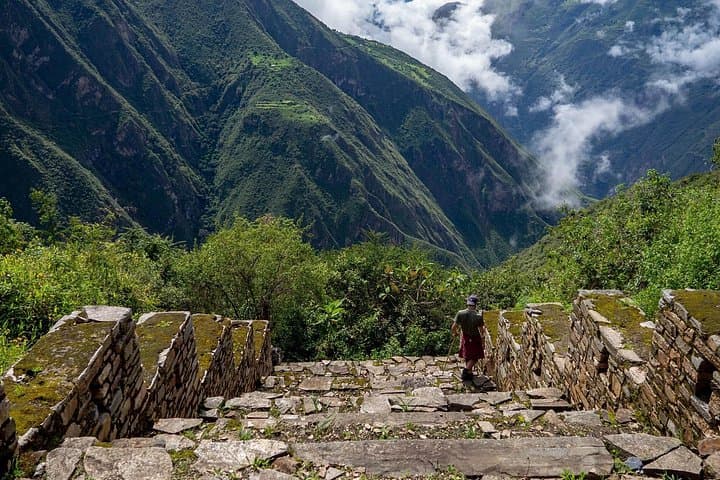
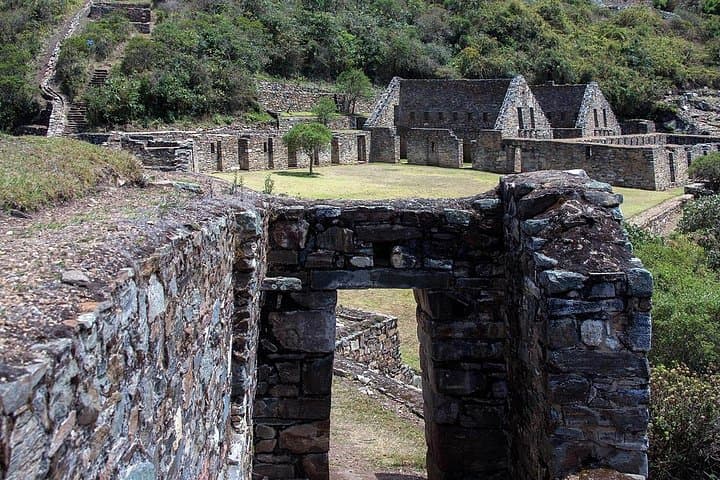
Dawn on the high trail smells of wet earth and wood smoke as the group leaves Cachora and drops toward the Apurímac. The path alternates steep switchbacks and wind-cut ridgelines; river noise rises and falls like a second guide. On day two the route climbs to Marampata and then up to Choquequirao where terraces and carved stone sit exposed to wide, open sky—an archaeological complex that still feels off the beaten map.
Verified experiences and guided adventures in the surrounding area.
Operated by Conde Travel · Cusco, Cusco Region
Dawn on the high trail smells of wet earth and wood smoke as the group leaves Cachora and drops toward the Apurímac. The path alternates steep switchbacks and wind-cut ridgelines; river noise rises and falls like a second guide. On day two the route climbs to Marampata and then up to Choquequirao where terraces and carved stone sit exposed to wide, open sky—an archaeological complex that still feels off the beaten map.
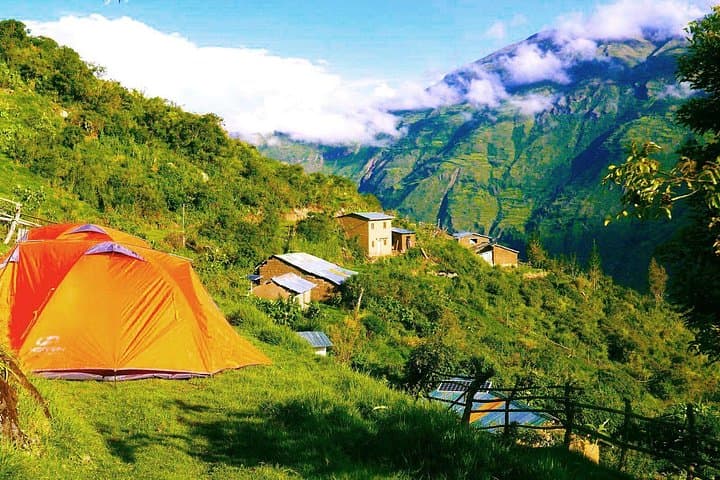
Choquequirao earned its nickname “The Last Refuge of the Inca” for its late occupation and strategic ridge-top position. Geologically the canyon is dramatic: the Apurímac has carved deep gorges through volcanic and metamorphic rock, producing steep microclimates where cloud forest gives way to puna grasslands. Cultural life along the route remains traditional—local Quechua communities raise llamas and maintain small fields visible from campsites.
Practical planning starts in Cusco; the 3-hour bus to Cachora sets the rhythm before hiking begins. Expect daily mileage around 10 km on the hardest day, elevations between 1,800 m in the canyon up to about 3,650 m at Choquequirao, and sustained uphill and downhill that tests knees and lungs. The trip is fully-camped with guides, meals, and horse support for limited luggage (typically 5 kg per person).
Prepare for altitude, variable weather, and rocky terrain: layered clothing, solid boots, and deliberate pacing matter more than speed. Leave no trace—these ruins and the canyon’s wildlife depend on low-impact travel. With straightforward logistics and wilderness exposure, the Choquequirao trek rewards effort with quiet ruins, wide canyon views, and a sense of discovery.
Entrance to the archaeological site requires a ticket purchased locally; most operators include the site fee in the tour price.
Horses typically carry about 5 kg of personal baggage per person; additional daypack should hold water, layers, and camera gear.
The highest point is around 3,650 m; symptoms of altitude sickness are possible—ascending slowly, staying hydrated, and resting help mitigate risk.
This trek is best for fit adults; long days, steep sections, and camping mean it’s not recommended for very young children or those without hiking experience.
Conde Travel operates guided outdoor trips and adventures with an emphasis on safety, stewardship, and memorable experiences.
Dawn on the high trail smells of wet earth and wood smoke as the group leaves Cachora and drops toward the Apurímac. The path alternates steep switchbacks and wind-cut ridgelines; river noise rises and falls like a second guide. On day two the route climbs to Marampata and then up to Choquequirao where terraces and carved stone sit exposed to wide, open sky—an archaeological complex that still feels off the beaten map.
Dawn on the high trail smells of wet earth and wood smoke as the group leaves Cachora and drops toward the Apurímac. The path alternates steep switchbacks and wind-cut ridgelines; river noise rises and falls like a second guide. On day two the route climbs to Marampata and then up to Choquequirao where terraces and carved stone sit exposed to wide, open sky—an archaeological complex that still feels off the beaten map.
Choquequirao earned its nickname “The Last Refuge of the Inca” for its late occupation and strategic ridge-top position. Geologically the canyon is dramatic: the Apurímac has carved deep gorges through volcanic and metamorphic rock, producing steep microclimates where cloud forest gives way to puna grasslands. Cultural life along the route remains traditional—local Quechua communities raise llamas and maintain small fields visible from campsites.
Practical planning starts in Cusco; the 3-hour bus to Cachora sets the rhythm before hiking begins. Expect daily mileage around 10 km on the hardest day, elevations between 1,800 m in the canyon up to about 3,650 m at Choquequirao, and sustained uphill and downhill that tests knees and lungs. The trip is fully-camped with guides, meals, and horse support for limited luggage (typically 5 kg per person).
Prepare for altitude, variable weather, and rocky terrain: layered clothing, solid boots, and deliberate pacing matter more than speed. Leave no trace—these ruins and the canyon’s wildlife depend on low-impact travel. With straightforward logistics and wilderness exposure, the Choquequirao trek rewards effort with quiet ruins, wide canyon views, and a sense of discovery.