THE ADVENTURE COLLECTIVE® · Independent discovery and booking for outdoor travel

A remote four-day trek into the Apurímac canyon to reach Choquequirao’s dramatic terraces and plazas. Expect long days, steep trails, bilingual guides, camping, and close encounters with Andean culture and landscapes.
A remote four-day trek into the Apurímac canyon to reach Choquequirao’s dramatic terraces and plazas. Expect long days, steep trails, bilingual guides, camping, and close encounters with Andean culture and landscapes.
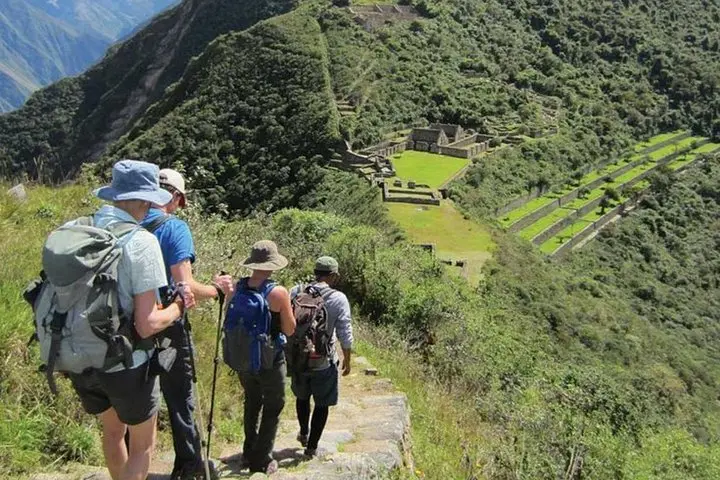
You step off the van at Cachora and the air shifts—thin, cool, charged by the Apurímac river far below. The trail drops quickly into the canyon, then climbs again through pine and high Andean grass, offering staggered views of snow-capped Padrayoc and Huayna Cachora. Stones underfoot are carved with time; the trail hums with village life and the steady clip of pack horses carrying tents and gear.
Verified experiences and guided adventures in the surrounding area.
Operated by Inca Path Tour Operator · Cusco, Cusco Region
You step off the van at Cachora and the air shifts—thin, cool, charged by the Apurímac river far below. The trail drops quickly into the canyon, then climbs again through pine and high Andean grass, offering staggered views of snow-capped Padrayoc and Huayna Cachora. Stones underfoot are carved with time; the trail hums with village life and the steady clip of pack horses carrying tents and gear.
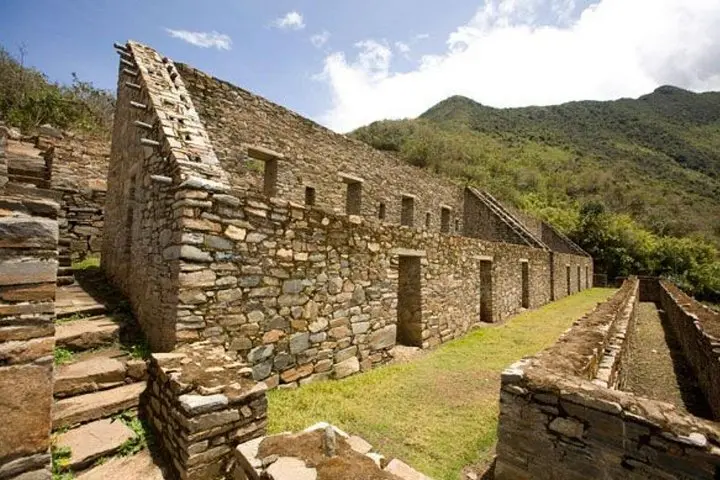
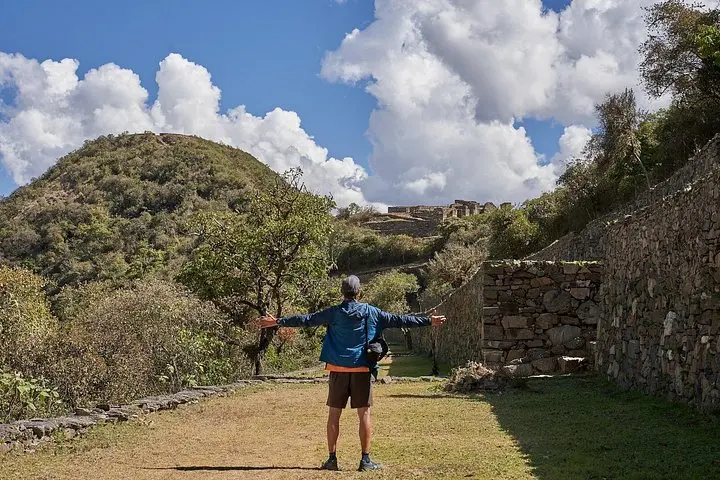
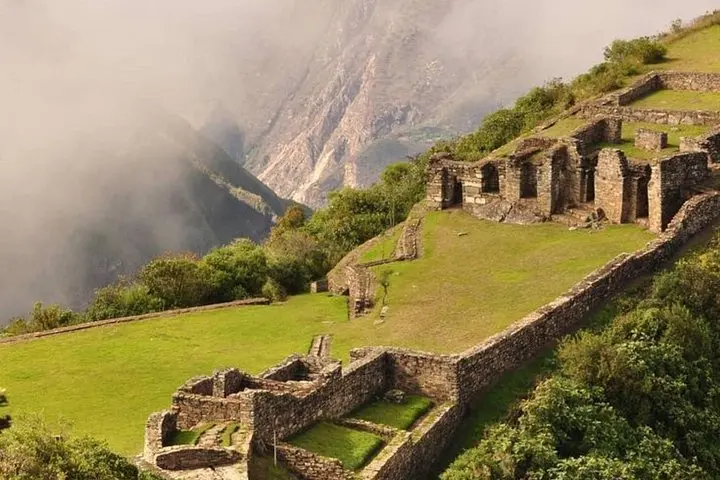
Choquequirao is often called Machu Picchu’s quieter sibling: late-15th-century Inca terraces, plazas, and ornately cut stonework built on a steep spur above the Apurímac canyon. Geologically the route runs along deep, glaciated river cuts—expect steep descents and lung-testing ascents as the landscape alternates between cloudforest and puna. Local Quechua communities still farm the terraces and host trekkers, offering a living window into Andean culture.
Over four days you’ll hike into remote archeology, camp under vast sky, and watch early-morning light reveal sweeping ruins. Guides explain stone masonry and ritual spaces while cooks keep you fueled; horses transport personal luggage up to 8 kg.
Practical guide: this is a challenging highland trek—daily hiking commonly runs 5–8 hours with uneven, steep terrain and altitude changes. Bring layered clothing for sun and cold, a warm sleeping bag rated to at least -5°C, and sturdy boots with good grip. Hydrate, pace your ascent, and rely on your bilingual guide for route navigation and cultural context. Camping equipment, entrance fees, and meals are typically included, but confirm dietary needs in advance. With steady legs and respect for the mountains, Choquequirao rewards patience with solitude and expansive Andean views.
The route is challenging due to long daily distances, steep ascents/descents, and altitude—fit beginners can succeed with acclimatization and a steady pace.
Most operators include camping equipment (tents, mattresses), meals as listed, and a cook—confirm dietary requirements ahead of time.
Yes; horses typically carry personal luggage up to about 8 kg per person while you carry a daypack with water and essentials.
Entrance fees to Choquequirao are required and usually handled by the tour operator as part of the package.
Inca Path Tour Operator operates guided outdoor trips and adventures with an emphasis on safety, stewardship, and memorable experiences.
You step off the van at Cachora and the air shifts—thin, cool, charged by the Apurímac river far below. The trail drops quickly into the canyon, then climbs again through pine and high Andean grass, offering staggered views of snow-capped Padrayoc and Huayna Cachora. Stones underfoot are carved with time; the trail hums with village life and the steady clip of pack horses carrying tents and gear.
You step off the van at Cachora and the air shifts—thin, cool, charged by the Apurímac river far below. The trail drops quickly into the canyon, then climbs again through pine and high Andean grass, offering staggered views of snow-capped Padrayoc and Huayna Cachora. Stones underfoot are carved with time; the trail hums with village life and the steady clip of pack horses carrying tents and gear.
Choquequirao is often called Machu Picchu’s quieter sibling: late-15th-century Inca terraces, plazas, and ornately cut stonework built on a steep spur above the Apurímac canyon. Geologically the route runs along deep, glaciated river cuts—expect steep descents and lung-testing ascents as the landscape alternates between cloudforest and puna. Local Quechua communities still farm the terraces and host trekkers, offering a living window into Andean culture.
Over four days you’ll hike into remote archeology, camp under vast sky, and watch early-morning light reveal sweeping ruins. Guides explain stone masonry and ritual spaces while cooks keep you fueled; horses transport personal luggage up to 8 kg.
Practical guide: this is a challenging highland trek—daily hiking commonly runs 5–8 hours with uneven, steep terrain and altitude changes. Bring layered clothing for sun and cold, a warm sleeping bag rated to at least -5°C, and sturdy boots with good grip. Hydrate, pace your ascent, and rely on your bilingual guide for route navigation and cultural context. Camping equipment, entrance fees, and meals are typically included, but confirm dietary needs in advance. With steady legs and respect for the mountains, Choquequirao rewards patience with solitude and expansive Andean views.