THE ADVENTURE COLLECTIVE® · Independent discovery and booking for outdoor travel

A four-day trek into one of Peru’s most remote Inca sites, Choquequirao rewards sustained effort with terraces, plazas and canyon vistas largely free of crowds. This all-inclusive route covers camping, meals and guided exploration, but expect significant elevation changes and variable weather.
A four-day trek into one of Peru’s most remote Inca sites, Choquequirao rewards sustained effort with terraces, plazas and canyon vistas largely free of crowds. This all-inclusive route covers camping, meals and guided exploration, but expect significant elevation changes and variable weather.
Dawn breaks over the Apurímac canyon and the trail drops away beneath your boots — a long ribbon of stone, grass and mule tracks that dares you deeper into cloud-shadowed valleys. The air is thin and sharp; condors wheel on thermals above jagged ridgelines while the trail alternates between carved Inca steps and loose scree. By late afternoon you reach Playa Rosalina campsite, a riverside clearing where the canyon’s roar is a nightly drum.
Verified experiences and guided adventures in the surrounding area.
Operated by MachuPicchu Journey · Cusco, Cusco Region
Dawn breaks over the Apurímac canyon and the trail drops away beneath your boots — a long ribbon of stone, grass and mule tracks that dares you deeper into cloud-shadowed valleys. The air is thin and sharp; condors wheel on thermals above jagged ridgelines while the trail alternates between carved Inca steps and loose scree. By late afternoon you reach Playa Rosalina campsite, a riverside clearing where the canyon’s roar is a nightly drum.
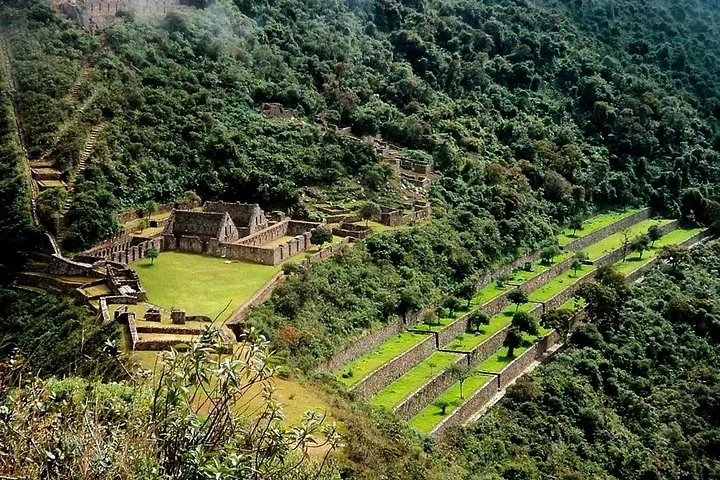
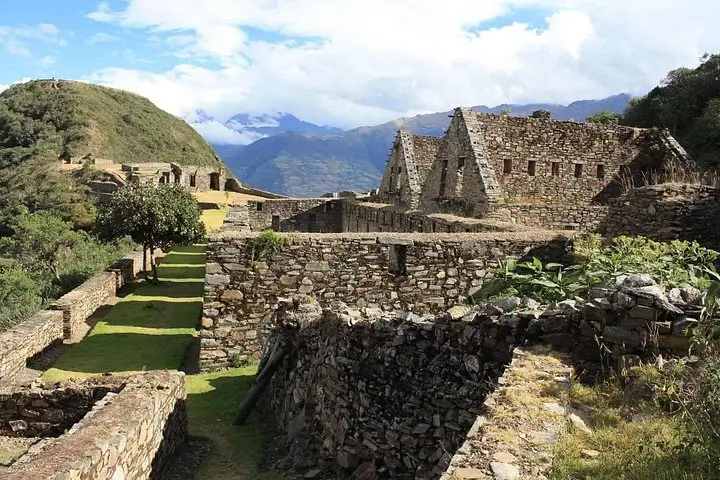
Choquequirao is an 15th-century Inca complex often compared to Machu Picchu for its terraces, plazas and stonework, but its remoteness and scale give it a quieter, wilder feel. Geologically the route threads steep canyon walls carved by the Apurímac River; ecosystems shift rapidly from puna grass to humid cloud forest where orchids and bromeliads cling to moss-laden trunks.
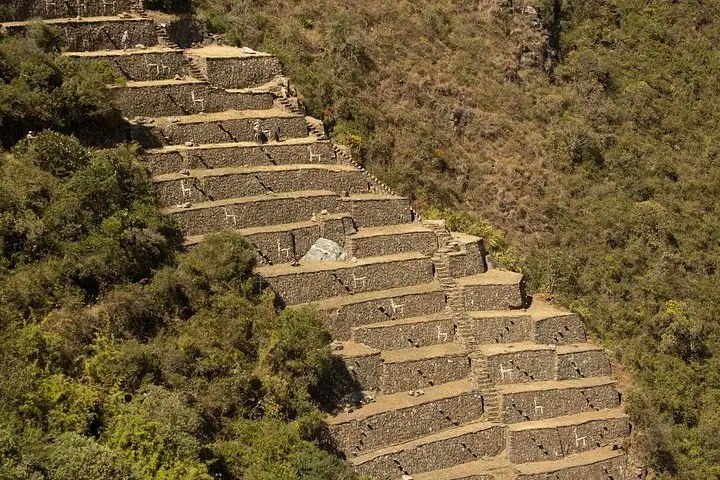
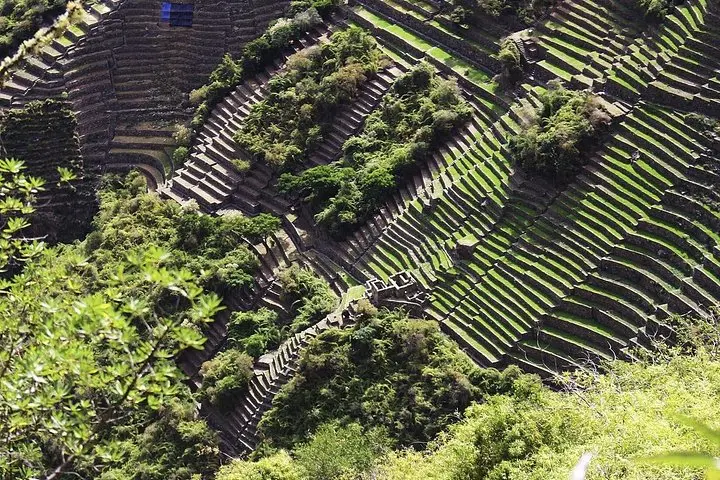
Culturally the site was likely a ceremonial and administrative center with agricultural terraces and ritual sectors; local Quechua communities still herd llamas and keep traditional pathways alive. Guides point out agricultural terraces, llama corrals and a viewpoint where, on good days, condors perform long, patient circles.
Practicalities: the trek is four days with long ascents and descents, camping provided and meals covered. Expect basic camping conditions, variable weather (rain in afternoons), and sustained elevation around 2,800–3,100 m. Hydrate, pace your ascent, and bring warm layers and a rain shell — mornings and nights get cold even in the dry season. Mules carry heavier loads, but be prepared to carry a well-packed daypack and to move deliberately on steep stone steps.
No technical climbing skills are required, but prior multi-day hiking experience and good cardiovascular fitness are recommended.
Choquequirao sits around 2,800–3,100 m; acclimatize in Cusco, stay hydrated, move slowly, and consult a doctor about acetazolamide if you’ve had issues before.
Yes — this tour includes the official entrance to Choquequirao as part of the package.
Local operators typically provide mule support for group gear; personal porter services may be available on request—confirm during booking.
MachuPicchu Journey operates guided outdoor trips and adventures with an emphasis on safety, stewardship, and memorable experiences.
Dawn breaks over the Apurímac canyon and the trail drops away beneath your boots — a long ribbon of stone, grass and mule tracks that dares you deeper into cloud-shadowed valleys. The air is thin and sharp; condors wheel on thermals above jagged ridgelines while the trail alternates between carved Inca steps and loose scree. By late afternoon you reach Playa Rosalina campsite, a riverside clearing where the canyon’s roar is a nightly drum.
Dawn breaks over the Apurímac canyon and the trail drops away beneath your boots — a long ribbon of stone, grass and mule tracks that dares you deeper into cloud-shadowed valleys. The air is thin and sharp; condors wheel on thermals above jagged ridgelines while the trail alternates between carved Inca steps and loose scree. By late afternoon you reach Playa Rosalina campsite, a riverside clearing where the canyon’s roar is a nightly drum.
Choquequirao is an 15th-century Inca complex often compared to Machu Picchu for its terraces, plazas and stonework, but its remoteness and scale give it a quieter, wilder feel. Geologically the route threads steep canyon walls carved by the Apurímac River; ecosystems shift rapidly from puna grass to humid cloud forest where orchids and bromeliads cling to moss-laden trunks.
Culturally the site was likely a ceremonial and administrative center with agricultural terraces and ritual sectors; local Quechua communities still herd llamas and keep traditional pathways alive. Guides point out agricultural terraces, llama corrals and a viewpoint where, on good days, condors perform long, patient circles.
Practicalities: the trek is four days with long ascents and descents, camping provided and meals covered. Expect basic camping conditions, variable weather (rain in afternoons), and sustained elevation around 2,800–3,100 m. Hydrate, pace your ascent, and bring warm layers and a rain shell — mornings and nights get cold even in the dry season. Mules carry heavier loads, but be prepared to carry a well-packed daypack and to move deliberately on steep stone steps.