THE ADVENTURE COLLECTIVE® · Independent discovery and booking for outdoor travel

A remote five-day trek to Choquequirao drops into the Apurímac canyon, climbs through cloud forest and high puna, and camps beside an expansive Inca complex often quieter than Machu Picchu. Expect steep descents, mule-supported logistics, and rugged archaeological exploration.
A remote five-day trek to Choquequirao drops into the Apurímac canyon, climbs through cloud forest and high puna, and camps beside an expansive Inca complex often quieter than Machu Picchu. Expect steep descents, mule-supported logistics, and rugged archaeological exploration.
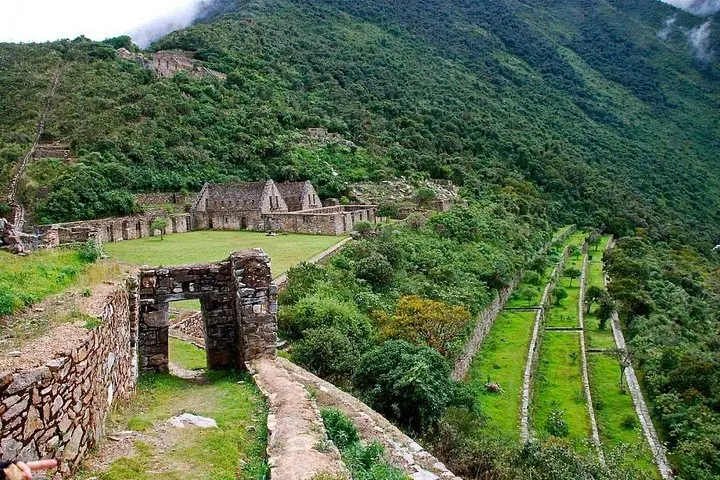
Dawn slices into the Apurímac canyon as your group drops from high, thin air into a warmer river valley. The trail falls steeply from the high puna, threads cloud-forest “eyebrow” vegetation and climbs again to a terraced skyline where the stone of Choquequirao rises like a weathered fortress above the river.
Verified experiences and guided adventures in the surrounding area.
Operated by Santu tour Operador · Cachora, Cusco
Dawn slices into the Apurímac canyon as your group drops from high, thin air into a warmer river valley. The trail falls steeply from the high puna, threads cloud-forest “eyebrow” vegetation and climbs again to a terraced skyline where the stone of Choquequirao rises like a weathered fortress above the river.
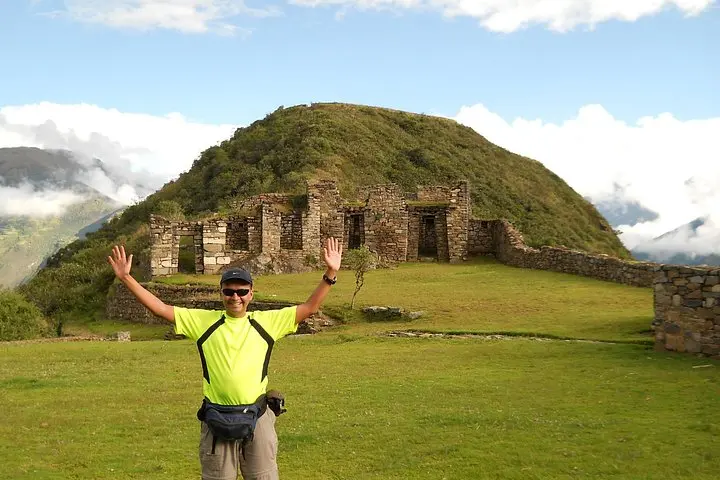
Choquequirao—“Gold Cradle”—was an administrative and ceremonial Inca center perched above the Apurímac. Geologically the route traces young Andean folds and deep river-cut gorges; botanically it passes from high Andean grassland to cloud forest alive with bromeliads and orchids. Local Quechua communities still herd and farm on nearby terraces, and muleteers continue a centuries-old support role on the trail.
Expect long days: the standard itinerary drops from ~3,400 m in the Cusco region down to around 1,800 m at the riverside, then climbs back to camps near Choquequirao. Terrain alternates steep stone steps, single-track trails, and mule tracks; footing can be loose after rain. Only about one-third of the site has been excavated, so the complex keeps a sense of discovery without the crowds of Machu Picchu.
Practical guidance: acclimatize in Cusco for 48–72 hours, pack layered insulation and a waterproof shell, and use sturdy waterproof boots. Mules normally carry group luggage (6 kg personal allowance), tents are three-season, and guides provide meals and filtered boiled water. Plan extra rest for altitude and keep a conservative pace on descents and steep ascents.
This is a route for hikers who want remote Andean archaeology, serious elevation change, and authentic highland culture in a five-day wilderness loop.
Days include long descents and steep ascents; expect 5–8 hours walking with significant elevation change—suitable for fit hikers used to full-day treks.
Guides provide boiled or filtered water; you can bring a non-disposable bottle and purification tablets if you plan to refill from streams.
No formal camping skills are required—guides set up tents and meals—but comfort with shared camp life and basic sleeping arrangements helps.
Santu tour Operador operates guided outdoor trips and adventures with an emphasis on safety, stewardship, and memorable experiences.
Dawn slices into the Apurímac canyon as your group drops from high, thin air into a warmer river valley. The trail falls steeply from the high puna, threads cloud-forest “eyebrow” vegetation and climbs again to a terraced skyline where the stone of Choquequirao rises like a weathered fortress above the river.
Dawn slices into the Apurímac canyon as your group drops from high, thin air into a warmer river valley. The trail falls steeply from the high puna, threads cloud-forest “eyebrow” vegetation and climbs again to a terraced skyline where the stone of Choquequirao rises like a weathered fortress above the river.
Choquequirao—“Gold Cradle”—was an administrative and ceremonial Inca center perched above the Apurímac. Geologically the route traces young Andean folds and deep river-cut gorges; botanically it passes from high Andean grassland to cloud forest alive with bromeliads and orchids. Local Quechua communities still herd and farm on nearby terraces, and muleteers continue a centuries-old support role on the trail.
Expect long days: the standard itinerary drops from ~3,400 m in the Cusco region down to around 1,800 m at the riverside, then climbs back to camps near Choquequirao. Terrain alternates steep stone steps, single-track trails, and mule tracks; footing can be loose after rain. Only about one-third of the site has been excavated, so the complex keeps a sense of discovery without the crowds of Machu Picchu.
Practical guidance: acclimatize in Cusco for 48–72 hours, pack layered insulation and a waterproof shell, and use sturdy waterproof boots. Mules normally carry group luggage (6 kg personal allowance), tents are three-season, and guides provide meals and filtered boiled water. Plan extra rest for altitude and keep a conservative pace on descents and steep ascents.
This is a route for hikers who want remote Andean archaeology, serious elevation change, and authentic highland culture in a five-day wilderness loop.