THE ADVENTURE COLLECTIVE® · Independent discovery and booking for outdoor travel

A four-day trek to Choquequirao delivers remote Inca ruins, steep canyon walking and hands-on archaeology without the crowds of Machu Picchu. Expect long days, camping by the Apurímac River and a full guided tour of the excavated sectors.
A four-day trek to Choquequirao delivers remote Inca ruins, steep canyon walking and hands-on archaeology without the crowds of Machu Picchu. Expect long days, camping by the Apurímac River and a full guided tour of the excavated sectors.
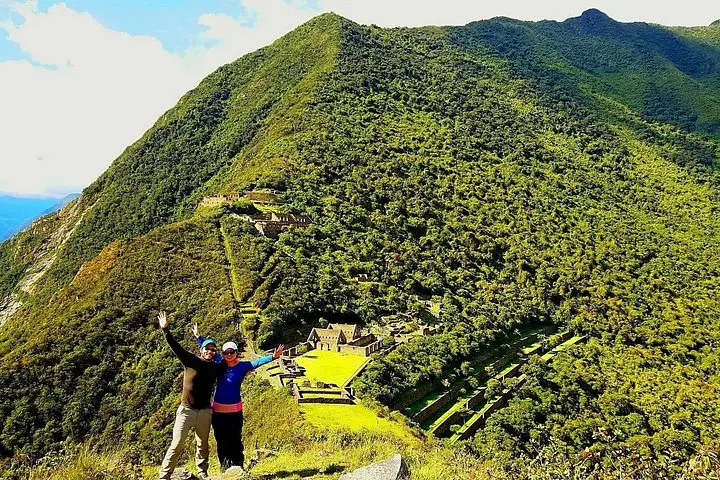
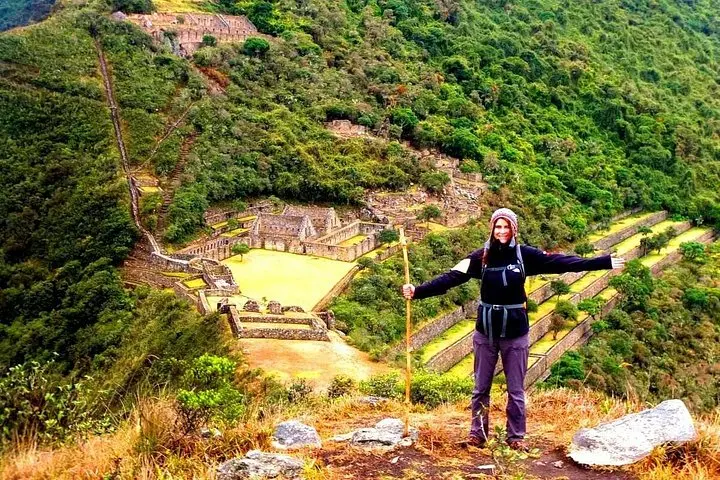
Mornings begin before dawn in the highlands outside Cusco, when buses thread narrow mountain roads and the air still smells of wet earth and wood smoke. By the time the trail drops toward the Apurímac River the valley opens: steep terraces cut into cliffs, a river daring you across jagged rock, and the first sightlines to Choquequirao’s stone steps high above.
Verified experiences and guided adventures in the surrounding area.
Operated by Vamos Machu Picchu · Cusco, Cusco Region
Mornings begin before dawn in the highlands outside Cusco, when buses thread narrow mountain roads and the air still smells of wet earth and wood smoke. By the time the trail drops toward the Apurímac River the valley opens: steep terraces cut into cliffs, a river daring you across jagged rock, and the first sightlines to Choquequirao’s stone steps high above.
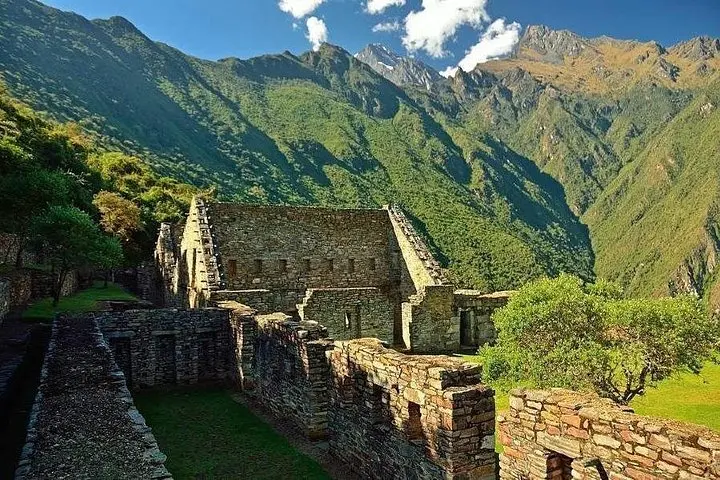
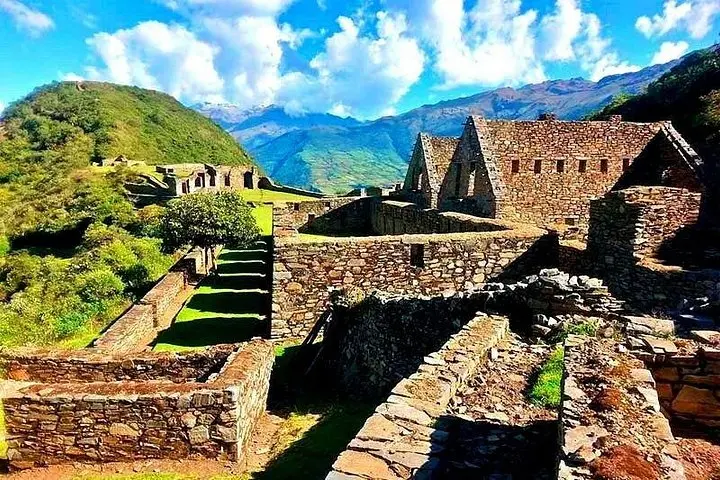
Choquequirao—"cradle of gold" in Quechua—sits at roughly 3,085 meters and was one of the last administrative centers of the Inca Empire. Only a fraction of its urban, agricultural and ceremonial sectors have been excavated; French-Peruvian projects continue to reveal plazas, temples and agricultural platforms carved into the canyon’s geology. The trail threads varied ecosystems, from dry scrub by the river to higher puna grasslands, and cultural markers are frequent: shepherds, arrieros with packhorses and small hamlets where traditional Quechua life persists.
This four-day itinerary is practical and concentrated: long ascents and descents, river crossings, and exposed ridgelines that can bring strong sun and sudden wind. Hikers should expect 5–8 hour walking days, camping near the ruins on night two, and a full guided exploration of the complex on day three. Water is available at natural sources but should be treated; altitude and repeated elevation change are the real challenges, not technical terrain. Bring sturdy boots, layered clothing for wide temperature swings, poles for steep sections, and a sleeping bag rated for near-freezing nights. Start with a few days in Cusco to acclimatize, travel light, and respect local camp etiquette—pack out waste and leave terraces and structures undisturbed.
Choquequirao is longer and steeper in places than many sections of the Inca Trail; terrain is less developed so it feels more remote and physically demanding, especially on descents to the river and the return ascent.
Many guided tours include the entrance fee; confirm when booking. Independent visitors must purchase tickets at designated points—guided access is recommended for context and logistics.
Yes—local arrieros provide horse transport for gear and can sometimes offer mule support for passengers on steep sections; check with the operator in advance and respect weight limits.
There’s no national cap like Machu Picchu, but guided tours handle logistics and campsite placement; bookings are recommended during high season (May–September).
Vamos Machu Picchu operates guided outdoor trips and adventures with an emphasis on safety, stewardship, and memorable experiences.
Mornings begin before dawn in the highlands outside Cusco, when buses thread narrow mountain roads and the air still smells of wet earth and wood smoke. By the time the trail drops toward the Apurímac River the valley opens: steep terraces cut into cliffs, a river daring you across jagged rock, and the first sightlines to Choquequirao’s stone steps high above.
Mornings begin before dawn in the highlands outside Cusco, when buses thread narrow mountain roads and the air still smells of wet earth and wood smoke. By the time the trail drops toward the Apurímac River the valley opens: steep terraces cut into cliffs, a river daring you across jagged rock, and the first sightlines to Choquequirao’s stone steps high above.
Choquequirao—"cradle of gold" in Quechua—sits at roughly 3,085 meters and was one of the last administrative centers of the Inca Empire. Only a fraction of its urban, agricultural and ceremonial sectors have been excavated; French-Peruvian projects continue to reveal plazas, temples and agricultural platforms carved into the canyon’s geology. The trail threads varied ecosystems, from dry scrub by the river to higher puna grasslands, and cultural markers are frequent: shepherds, arrieros with packhorses and small hamlets where traditional Quechua life persists.
This four-day itinerary is practical and concentrated: long ascents and descents, river crossings, and exposed ridgelines that can bring strong sun and sudden wind. Hikers should expect 5–8 hour walking days, camping near the ruins on night two, and a full guided exploration of the complex on day three. Water is available at natural sources but should be treated; altitude and repeated elevation change are the real challenges, not technical terrain. Bring sturdy boots, layered clothing for wide temperature swings, poles for steep sections, and a sleeping bag rated for near-freezing nights. Start with a few days in Cusco to acclimatize, travel light, and respect local camp etiquette—pack out waste and leave terraces and structures undisturbed.