THE ADVENTURE COLLECTIVE® · Independent discovery and booking for outdoor travel

Sail south from Ierapetra to Chrissi — a small, protected island of golden sand and cedar groves. This full-day cruise delivers calm swims, a walk through rare cedars and hours of unspoiled shoreline under the southern Cretan sun.
Sail south from Ierapetra to Chrissi — a small, protected island of golden sand and cedar groves. This full-day cruise delivers calm swims, a walk through rare cedars and hours of unspoiled shoreline under the southern Cretan sun.
Morning light slides across the Libyan Sea as the boat pushes off Ierapetra’s calm harbor, the town’s low white buildings shrinking behind you.
Verified experiences and guided adventures in the surrounding area.
Operated by Altino Travel Services · Ierapetra, Crete
Morning light slides across the Libyan Sea as the boat pushes off Ierapetra’s calm harbor, the town’s low white buildings shrinking behind you.
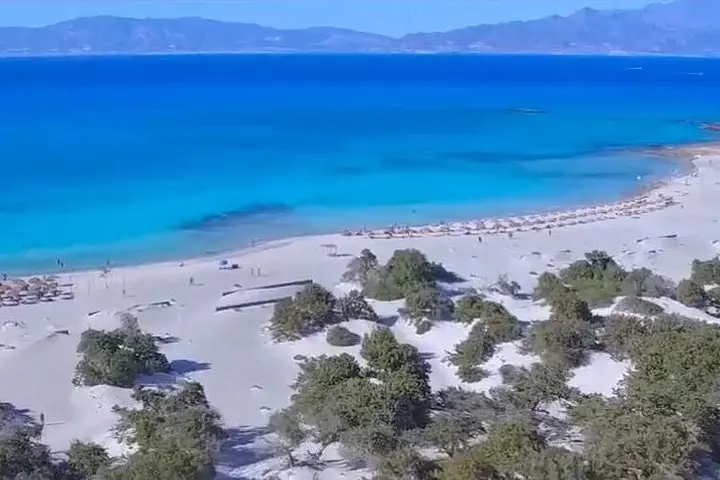
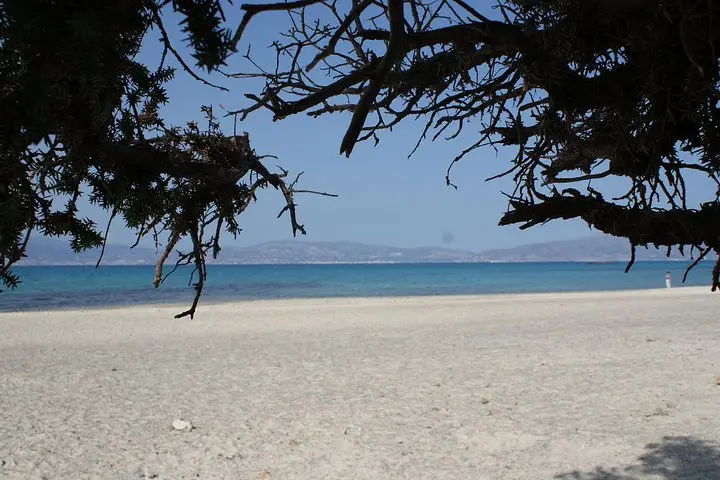
Within an hour the coastline loosens and the water turns a clearer turquoise; the island ahead reads like a contrasting patch — a band of golden sand backed by a low cedar grove. Chrissi (Chryssi) is compact, roughly 7 km long and a short 15 km sail from Ierapetra, its shores protected under the EU Natura 2000 network for rare habitats and coastal species.
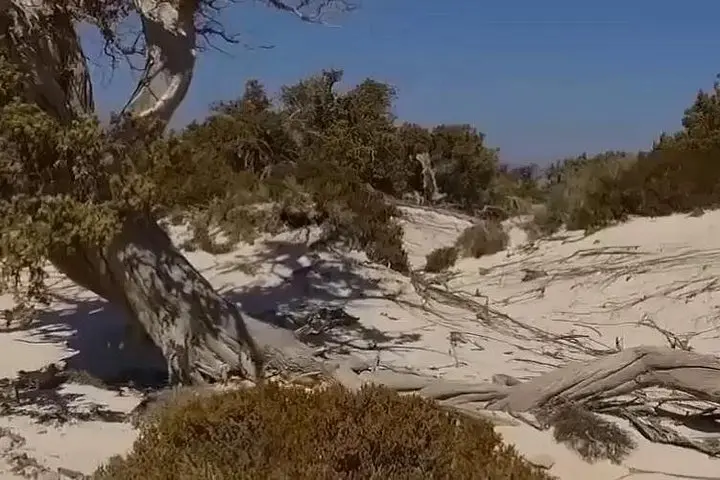
Geology here is simple: sand fields built from weathered limestone and shells, with dunes that shift under wind, and a remnant stand of Lebanon cedars that feels older than the summer crowds. Historically the island served as a seasonal shelter and a fishing ground for southern Crete; today it’s managed to limit development and visitor impact.
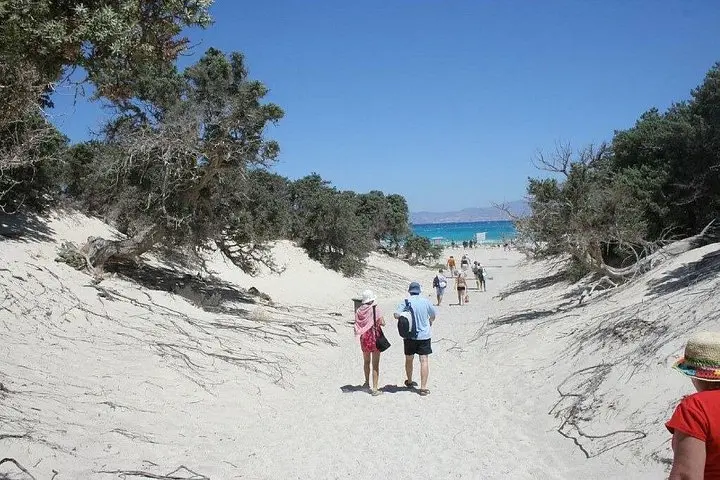
Expect a relaxed day: a coach ride to Ierapetra, a mid-morning departure, then several hours to swim, walk the cedar path to Chrissi Ammos (Golden Beach), and inspect the east beach’s dense concentration of shells. Mooring often happens on the sheltered north or exposed south side depending on wind; water is typically calm in summer but can be choppy outside peak months.
Practical guidance: bring reef shoes for rocky approaches, a sunscreen you’ll reapply, reusable water (the island has no facilities), and a lightweight shade layer for wind off the Libyan Sea. Plan for a roughly 9-hour excursion from hotel pickup to return; follow guides’ instructions about protected areas and shell collecting to keep the island intact for future visits.
The sail is about 15 km and typically takes 45–75 minutes depending on sea conditions and the vessel used.
There are no permanent facilities or shops; boats usually provide a lunch stop or snacks—bring water and any essentials beforehand.
No—collecting shells and disturbing plants is discouraged or prohibited to protect the island’s ecology under Natura 2000 protections.
Yes—this excursion is rated easy and suitable for most ages, but those with limited mobility should note boat boarding and sandy/uneven terrain on the island.
Altino Travel Services operates guided outdoor trips and adventures with an emphasis on safety, stewardship, and memorable experiences.
Morning light slides across the Libyan Sea as the boat pushes off Ierapetra’s calm harbor, the town’s low white buildings shrinking behind you.
Morning light slides across the Libyan Sea as the boat pushes off Ierapetra’s calm harbor, the town’s low white buildings shrinking behind you.
Within an hour the coastline loosens and the water turns a clearer turquoise; the island ahead reads like a contrasting patch — a band of golden sand backed by a low cedar grove. Chrissi (Chryssi) is compact, roughly 7 km long and a short 15 km sail from Ierapetra, its shores protected under the EU Natura 2000 network for rare habitats and coastal species.
Geology here is simple: sand fields built from weathered limestone and shells, with dunes that shift under wind, and a remnant stand of Lebanon cedars that feels older than the summer crowds. Historically the island served as a seasonal shelter and a fishing ground for southern Crete; today it’s managed to limit development and visitor impact.
Expect a relaxed day: a coach ride to Ierapetra, a mid-morning departure, then several hours to swim, walk the cedar path to Chrissi Ammos (Golden Beach), and inspect the east beach’s dense concentration of shells. Mooring often happens on the sheltered north or exposed south side depending on wind; water is typically calm in summer but can be choppy outside peak months.
Practical guidance: bring reef shoes for rocky approaches, a sunscreen you’ll reapply, reusable water (the island has no facilities), and a lightweight shade layer for wind off the Libyan Sea. Plan for a roughly 9-hour excursion from hotel pickup to return; follow guides’ instructions about protected areas and shell collecting to keep the island intact for future visits.