THE ADVENTURE COLLECTIVE® · Independent discovery and booking for outdoor travel

See Rio’s two most famous viewpoints in one morning: the 710m Corcovado with Cristo Redentor, then the historic Sugar Loaf cable car to Pão de Açúcar. A 6‑hour guided tour from Copacabana — attraction tickets sold separately.
See Rio’s two most famous viewpoints in one morning: the 710m Corcovado with Cristo Redentor, then the historic Sugar Loaf cable car to Pão de Açúcar. A 6‑hour guided tour from Copacabana — attraction tickets sold separately.
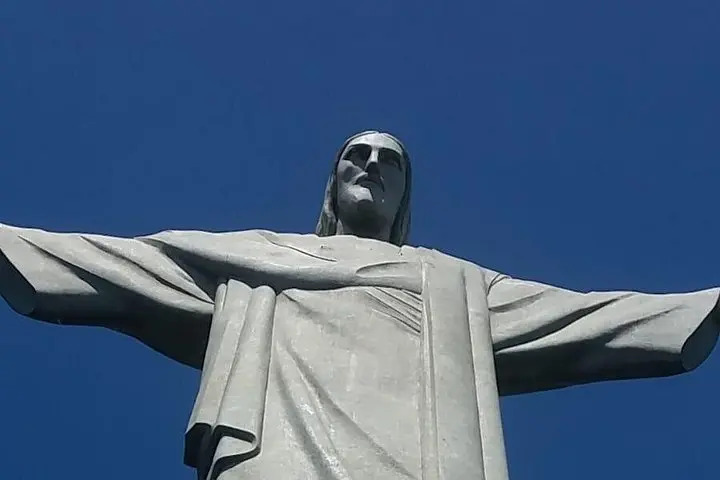
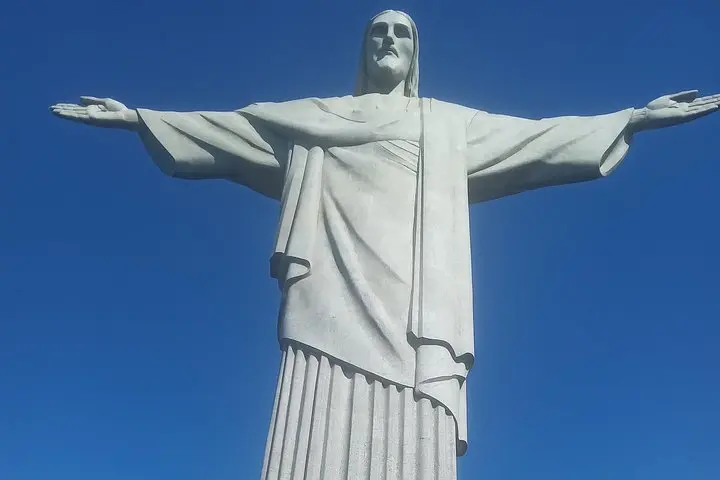
The sun climbs over Copacabana and the city exhales: lines of people, the Atlantic daring the shore, and two granite giants waiting above the skyline. You meet at the Portobay Hotel and within minutes the coach threads toward Tijuca Forest; soon the trail, traffic and city chatter fall away and Corcovado asserts itself, a 710‑meter ridge crowned by the open-armed Christ the Redeemer.
Verified experiences and guided adventures in the surrounding area.
Operated by Kerotur Turismo e Eventos · Rio de Janeiro, Rio de Janeiro
The sun climbs over Copacabana and the city exhales: lines of people, the Atlantic daring the shore, and two granite giants waiting above the skyline. You meet at the Portobay Hotel and within minutes the coach threads toward Tijuca Forest; soon the trail, traffic and city chatter fall away and Corcovado asserts itself, a 710‑meter ridge crowned by the open-armed Christ the Redeemer.
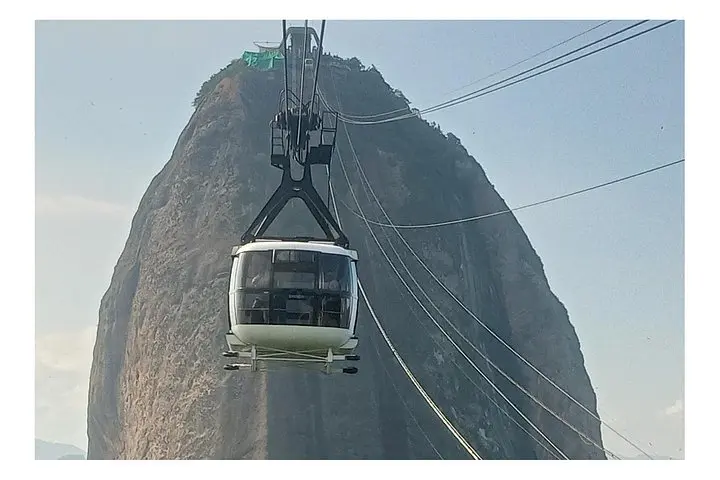
Corcovado sits in the middle of an urban rainforest — Tijuca National Park — carved from volcanic and igneous rock that raises abrupt, steep slopes above neighborhoods. From the statue's platform you read the city: beaches to the south, the stadium and sugarloaf to the north. Later the cable car climbs Pão de Açúcar (Sugar Loaf), a 396‑meter granite plug whose first cable cars began operating in 1912, one of the earliest installations of its kind. Between them, the mosaic steps of Escadaria Selarón offer a human-made counterpoint: tiles and stories layered by Chilean artist Jorge Selarón.
Expect a six‑hour guided circuit with photo stops; attraction tickets and lunch are not included. Wear sturdy walking shoes for steps and uneven sidewalks, bring sun protection and a light rain layer—sudden showers are common. If you prefer quieter views, aim for the early departure; weekdays are less crowded than weekends. Keep water handy, carry exact change or card for admission lines, and follow your guide’s safety briefings—the viewpoints are exposed and wind can pick up as cable cars ascend.
This tour is a compact, practical way to see Rio’s geological drama and cultural icons in a single morning, balanced for photographers and first‑time visitors alike.
No — attraction tickets are not included in the tour price; purchase them ahead or on the day to avoid lines.
The meeting point is the Portobay Hotel reception in Copacabana; the guide will wear a blue shirt, blue hat and an ID badge.
The tour listing indicates wheelchair accessibility for meeting areas; however access to some platforms and the cable car may have restrictions — confirm specifics when booking.
Children are welcome; infants are typically required to sit on an adult’s lap as noted in the booking information.
Kerotur Turismo e Eventos operates guided outdoor trips and adventures with an emphasis on safety, stewardship, and memorable experiences.

The sun climbs over Copacabana and the city exhales: lines of people, the Atlantic daring the shore, and two granite giants waiting above the skyline. You meet at the Portobay Hotel and within minutes the coach threads toward Tijuca Forest; soon the trail, traffic and city chatter fall away and Corcovado asserts itself, a 710‑meter ridge crowned by the open-armed Christ the Redeemer.
The sun climbs over Copacabana and the city exhales: lines of people, the Atlantic daring the shore, and two granite giants waiting above the skyline. You meet at the Portobay Hotel and within minutes the coach threads toward Tijuca Forest; soon the trail, traffic and city chatter fall away and Corcovado asserts itself, a 710‑meter ridge crowned by the open-armed Christ the Redeemer.
Corcovado sits in the middle of an urban rainforest — Tijuca National Park — carved from volcanic and igneous rock that raises abrupt, steep slopes above neighborhoods. From the statue's platform you read the city: beaches to the south, the stadium and sugarloaf to the north. Later the cable car climbs Pão de Açúcar (Sugar Loaf), a 396‑meter granite plug whose first cable cars began operating in 1912, one of the earliest installations of its kind. Between them, the mosaic steps of Escadaria Selarón offer a human-made counterpoint: tiles and stories layered by Chilean artist Jorge Selarón.
Expect a six‑hour guided circuit with photo stops; attraction tickets and lunch are not included. Wear sturdy walking shoes for steps and uneven sidewalks, bring sun protection and a light rain layer—sudden showers are common. If you prefer quieter views, aim for the early departure; weekdays are less crowded than weekends. Keep water handy, carry exact change or card for admission lines, and follow your guide’s safety briefings—the viewpoints are exposed and wind can pick up as cable cars ascend.
This tour is a compact, practical way to see Rio’s geological drama and cultural icons in a single morning, balanced for photographers and first‑time visitors alike.