THE ADVENTURE COLLECTIVE® · Independent discovery and booking for outdoor travel

Explore Christianborg Castle and the Jamestown quarter on a 2–4 hour guided walk through Accra’s colonial forts and slave-trade remnants. This tour pairs sober historical interpretation with on-the-ground cultural context, ideal for travelers seeking a focused history walk.
Explore Christianborg Castle and the Jamestown quarter on a 2–4 hour guided walk through Accra’s colonial forts and slave-trade remnants. This tour pairs sober historical interpretation with on-the-ground cultural context, ideal for travelers seeking a focused history walk.
You arrive at the castle gates with ocean wind cutting across the harbor and gulls calling above the reef; the whitewashed walls of Christianborg (Osu Castle) loom, paint peeling where history has rubbed its edges raw.
Verified experiences and guided adventures in the surrounding area.
Operated by Classic Holidays · Accra, Greater Accra Region
You arrive at the castle gates with ocean wind cutting across the harbor and gulls calling above the reef; the whitewashed walls of Christianborg (Osu Castle) loom, paint peeling where history has rubbed its edges raw.
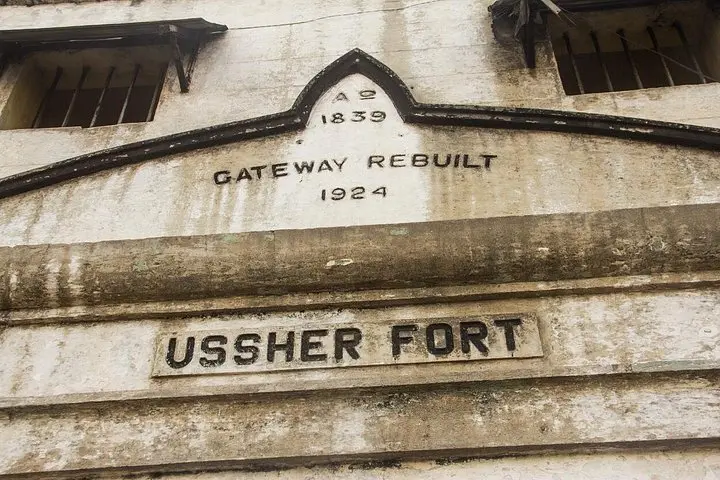
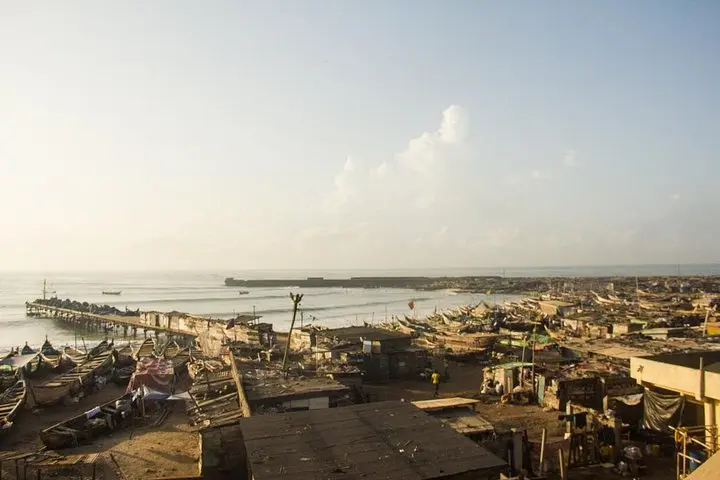
Walk inside and the narrative clarifies: a 17th–19th century fortress that served Danish and later British administrations, a stop on the Atlantic slave routes, and later Ghana’s seat of government. The stonework and colonial bastions give way to narrow streets in Jamestown where Brazilian Lane, fishing piers and dilapidated forts mark the urban coastline. The geology here is simple — coastal sands and low volcanic headlands — but the human layers are dense: European forts, Akan and Ga community life, and modern Accra commerce intersect on every block.
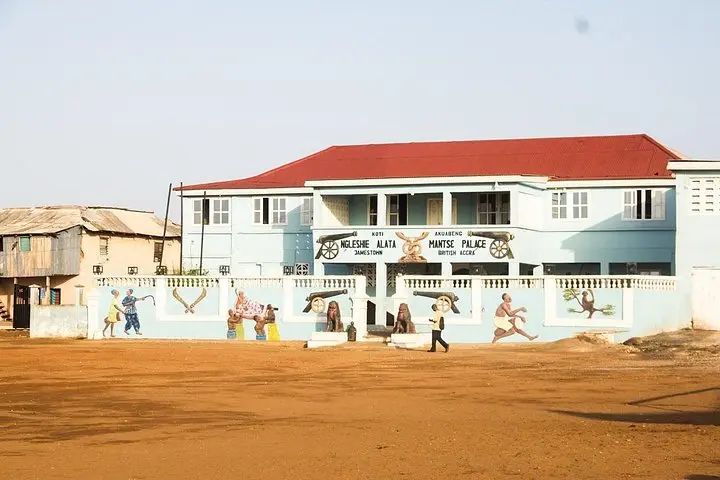
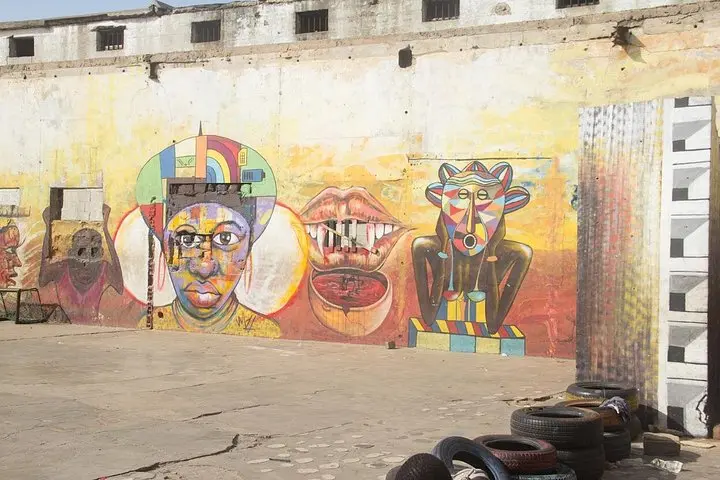
Culturally, expect a sober, educational tone during the castle section and a livelier, community-first pace in Jamestown: street art, local markets, and fishermen hauling nets. Guides often weave oral histories with archival facts, and you’ll encounter memorials and small museums preserving artifacts from the slave trade era.
Practical guidance: plan for 2–4 hours, wear sturdy walking shoes for cobbled lanes and uneven fort ramps, and carry a refillable water bottle — shade is limited near the waterfront. Mid-morning or late afternoon avoid the hottest sun and catch fishermen’s activity at the harbor. Bring a light rain jacket in the wet months and ask your guide where photography is restricted. Respect local memorials and follow your guide’s directions on preserved or fragile areas.
The tour runs about 2–4 hours depending on stops and group pace; the castle portion typically takes around an hour.
Yes, but children should be supervised around memorials and uneven surfaces; guides can adapt explanations for younger visitors.
Admission to Christianborg Castle is usually included in organized tours, but confirm at booking; small museum donations may be requested on-site.
Parts of the castle and Jamestown have uneven terrain and steps; accessibility is limited—contact the operator to discuss specific needs.
Classic Holidays operates guided outdoor trips and adventures with an emphasis on safety, stewardship, and memorable experiences.
You arrive at the castle gates with ocean wind cutting across the harbor and gulls calling above the reef; the whitewashed walls of Christianborg (Osu Castle) loom, paint peeling where history has rubbed its edges raw.
You arrive at the castle gates with ocean wind cutting across the harbor and gulls calling above the reef; the whitewashed walls of Christianborg (Osu Castle) loom, paint peeling where history has rubbed its edges raw.
Walk inside and the narrative clarifies: a 17th–19th century fortress that served Danish and later British administrations, a stop on the Atlantic slave routes, and later Ghana’s seat of government. The stonework and colonial bastions give way to narrow streets in Jamestown where Brazilian Lane, fishing piers and dilapidated forts mark the urban coastline. The geology here is simple — coastal sands and low volcanic headlands — but the human layers are dense: European forts, Akan and Ga community life, and modern Accra commerce intersect on every block.
Culturally, expect a sober, educational tone during the castle section and a livelier, community-first pace in Jamestown: street art, local markets, and fishermen hauling nets. Guides often weave oral histories with archival facts, and you’ll encounter memorials and small museums preserving artifacts from the slave trade era.
Practical guidance: plan for 2–4 hours, wear sturdy walking shoes for cobbled lanes and uneven fort ramps, and carry a refillable water bottle — shade is limited near the waterfront. Mid-morning or late afternoon avoid the hottest sun and catch fishermen’s activity at the harbor. Bring a light rain jacket in the wet months and ask your guide where photography is restricted. Respect local memorials and follow your guide’s directions on preserved or fragile areas.