THE ADVENTURE COLLECTIVE® · Independent discovery and booking for outdoor travel

Walk Benefit Street with a costumed guide and learn how Christmas traditions evolved in Providence. This 90‑minute tour combines architecture, social history and practical storytelling along one of the city’s best‑preserved blocks.
Walk Benefit Street with a costumed guide and learn how Christmas traditions evolved in Providence. This 90‑minute tour combines architecture, social history and practical storytelling along one of the city’s best‑preserved blocks.
A sharp winter wind pushes along Benefit Street, carrying the smell of wood smoke and roasted chestnuts from nearby cafes as you fall in with a festively costumed guide.
Verified experiences and guided adventures in the surrounding area.
Operated by Providence Ghost Tour · Providence, Rhode Island
A sharp winter wind pushes along Benefit Street, carrying the smell of wood smoke and roasted chestnuts from nearby cafes as you fall in with a festively costumed guide.
This 90‑minute walking tour moves at a steady, conversational pace past brick and cobble, through College Hill’s historical corridor. Expect close views of Georgian and Federal facades, the Athenaeum’s dignified portico and small churches whose contested attitudes toward Christmas mirror New England’s social shifts.
Benefit Street dates to the 18th century; its narrow lots and preserved houses reflect Providence’s mercantile boom and the early republic’s architectural tastes. The street runs above the Providence River and along slopes carved by glacial action long before the city grid—stone foundations, old walls and mature elms give the block a structural memory.
Culturally the tour ties holiday practices to religion, literature and immigrant customs, pointing out how public celebrations evolved from private parlor observances to civic festivities. Guides highlight local anecdotes: winter markets, charity drives and how one library shaped seasonal reading habits.
Practical guidance: wear sturdy shoes for mixed cement, brick and cobblestone; bring a warm layer and a thermos in cold weather. The route is largely flat with short stair or curb crossings and can be uneven—guests with mobility devices should preview the street. Tours meet by the wrought‑iron fence to the right of the Barker Playhouse; arrive 10 minutes early.
This is a compact, urban outdoor experience that blends architectural appreciation with seasonal stories—ideal for visitors who want local history with a brisk, walkable format.
The tour covers roughly 0.6–1 mile along Benefit Street over 90 minutes with stops and stories; pace is relaxed but continuous.
Yes—it's family friendly and rated easy, though sidewalks can be uneven; plan for bathroom/rest stops as needed.
Some guests use mobility devices successfully, but cobbles and narrow sections can be challenging—preview the street if you have concerns.
The operator may cancel for severe weather with full refund if the tour is called off; dress for cold and wet conditions otherwise.
Providence Ghost Tour operates guided outdoor trips and adventures with an emphasis on safety, stewardship, and memorable experiences.

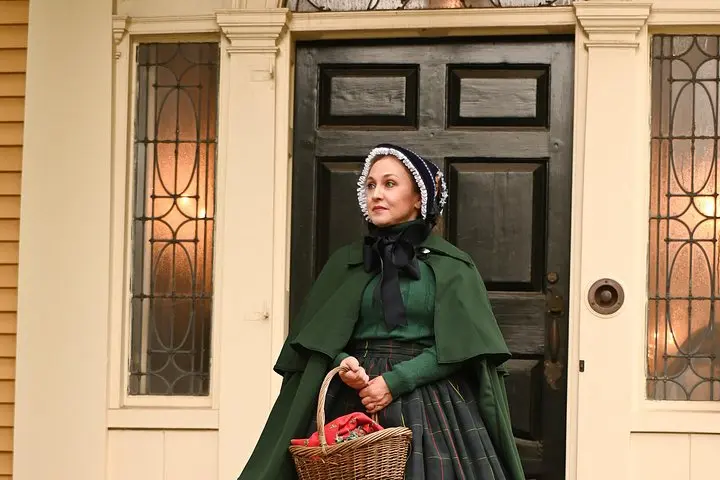
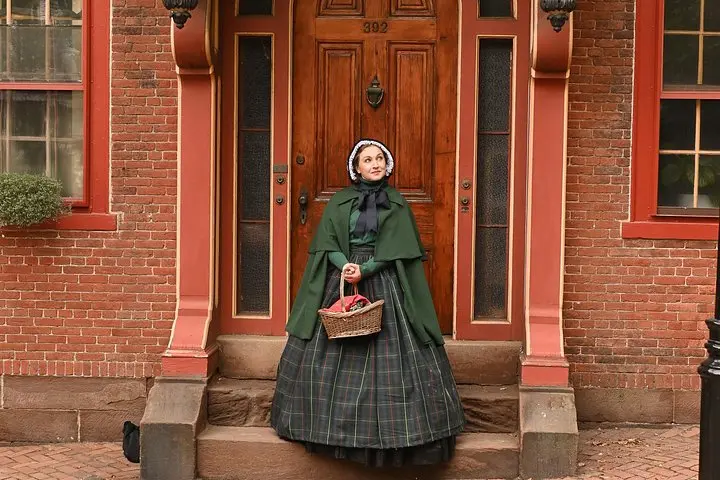

A sharp winter wind pushes along Benefit Street, carrying the smell of wood smoke and roasted chestnuts from nearby cafes as you fall in with a festively costumed guide.
A sharp winter wind pushes along Benefit Street, carrying the smell of wood smoke and roasted chestnuts from nearby cafes as you fall in with a festively costumed guide.
This 90‑minute walking tour moves at a steady, conversational pace past brick and cobble, through College Hill’s historical corridor. Expect close views of Georgian and Federal facades, the Athenaeum’s dignified portico and small churches whose contested attitudes toward Christmas mirror New England’s social shifts.
Benefit Street dates to the 18th century; its narrow lots and preserved houses reflect Providence’s mercantile boom and the early republic’s architectural tastes. The street runs above the Providence River and along slopes carved by glacial action long before the city grid—stone foundations, old walls and mature elms give the block a structural memory.
Culturally the tour ties holiday practices to religion, literature and immigrant customs, pointing out how public celebrations evolved from private parlor observances to civic festivities. Guides highlight local anecdotes: winter markets, charity drives and how one library shaped seasonal reading habits.
Practical guidance: wear sturdy shoes for mixed cement, brick and cobblestone; bring a warm layer and a thermos in cold weather. The route is largely flat with short stair or curb crossings and can be uneven—guests with mobility devices should preview the street. Tours meet by the wrought‑iron fence to the right of the Barker Playhouse; arrive 10 minutes early.
This is a compact, urban outdoor experience that blends architectural appreciation with seasonal stories—ideal for visitors who want local history with a brisk, walkable format.