THE ADVENTURE COLLECTIVE® · Independent discovery and booking for outdoor travel

Trace Churchill’s footsteps through Westminster on a focused 90-minute walk that highlights wartime leadership, bomb repairs and the Anglo‑American wartime alliance. Expect guided stops at Big Ben, Parliament Square and the Churchill War Rooms exterior.
Trace Churchill’s footsteps through Westminster on a focused 90-minute walk that highlights wartime leadership, bomb repairs and the Anglo‑American wartime alliance. Expect guided stops at Big Ben, Parliament Square and the Churchill War Rooms exterior.
A gust of Thames air carries the low hum of traffic as the guide waits at Westminster Pier, map in hand and stories ready. Participants step off the embankment into a compact corridor of power where bomb-damaged façades, stone memorials, and the thud of Big Ben mark the geography of wartime decisions.
Verified experiences and guided adventures in the surrounding area.
Operated by Evan Evans Tours · London, England
A gust of Thames air carries the low hum of traffic as the guide waits at Westminster Pier, map in hand and stories ready. Participants step off the embankment into a compact corridor of power where bomb-damaged façades, stone memorials, and the thud of Big Ben mark the geography of wartime decisions.
The 90-minute walk threads past Parliament Square, St. Margaret’s Church and Downing Street, following routes Churchill used while coordinating Britain’s response to 1940–45. Geology here is urban — river clay under reclaimed embankment — but the real strata are political: the House of Commons, the Cabinet Office and the hidden corridors beneath Whitehall that shaped Allied strategy and the Anglo-American relationship with Franklin D. Roosevelt.
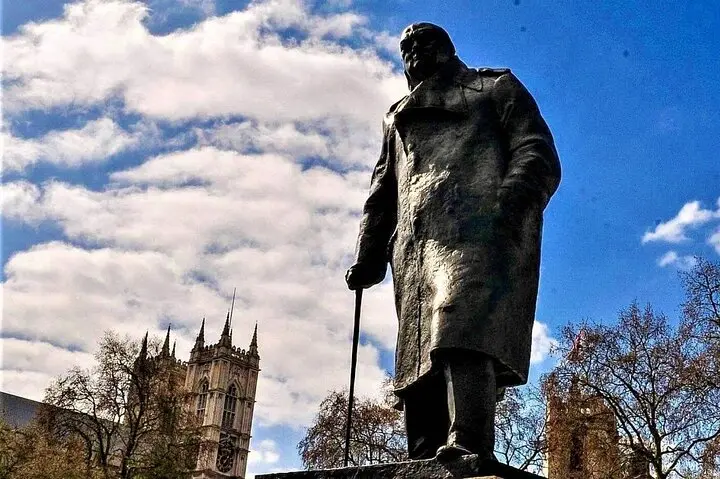
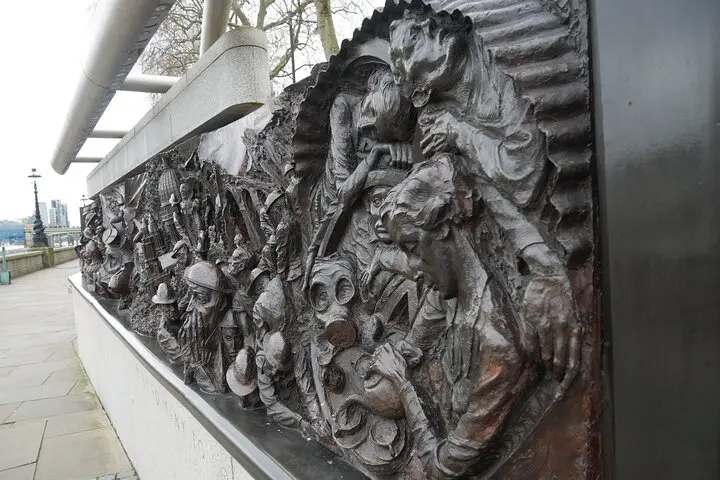
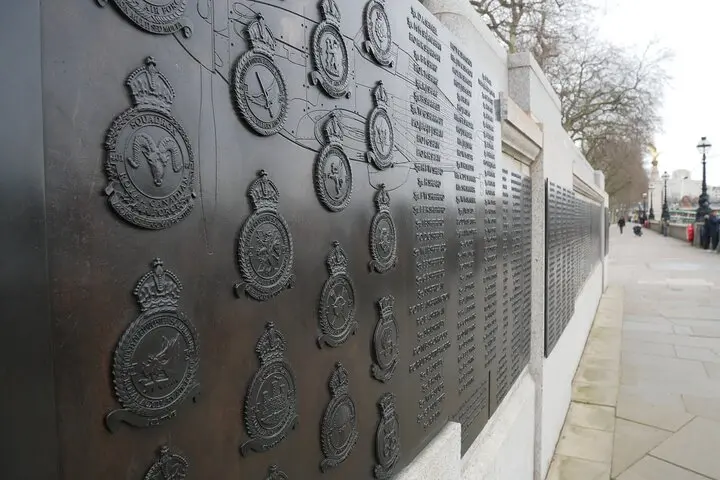
Culturally the tour spotlights oratory and ceremony — Churchill’s speeches, memorial statuary and the social hubs he favored — while pointing out physical reminders of the Blitz: patched stonework, reworked roofs and plaques that map loss and resilience.
Practical guidance: the pace is steady on paved city sidewalks with short stops for interpretation; expect 1–2 miles of walking with curb crossings and occasional crowds. Wear sturdy shoes, bring weatherproof layers for London’s quick changes, and use an Oyster or contactless card for nearby transport before or after the tour. The walk ends outside the Churchill War Rooms (separate admission) so allow extra time to explore below-ground exhibits.
Best taken in daylight for clear views and photo opportunities; mornings or mid-afternoon slots avoid peak commuting crowds. Guides provide headsets for easy listening in busy streets, making history audible even above the city’s pulse.
Meet at Westminster Pier on Victoria Embankment; the guide typically waits near the pier entrances facing the river.
No — the tour finishes outside the Churchill War Rooms; independent entry tickets must be purchased separately.
The tour involves street crossings and some standing; it is not recommended for guests with significantly reduced mobility.
Yes, participants receive personal audio headsets so the guide can be heard clearly during busy or noisy streets.
Evan Evans Tours operates guided outdoor trips and adventures with an emphasis on safety, stewardship, and memorable experiences.
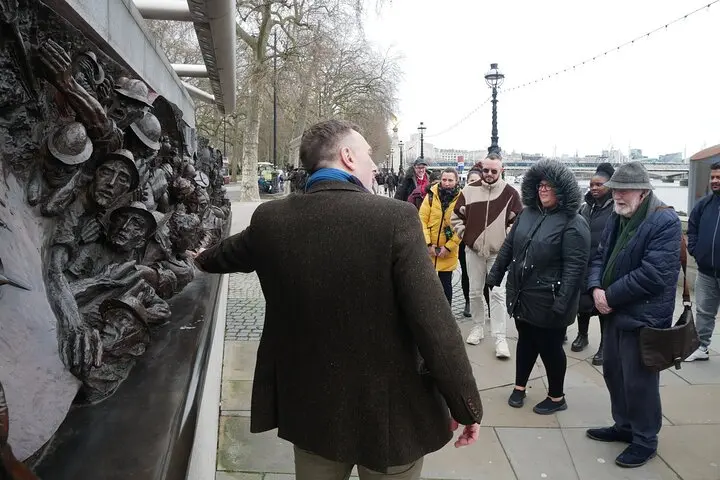
A gust of Thames air carries the low hum of traffic as the guide waits at Westminster Pier, map in hand and stories ready. Participants step off the embankment into a compact corridor of power where bomb-damaged façades, stone memorials, and the thud of Big Ben mark the geography of wartime decisions.
A gust of Thames air carries the low hum of traffic as the guide waits at Westminster Pier, map in hand and stories ready. Participants step off the embankment into a compact corridor of power where bomb-damaged façades, stone memorials, and the thud of Big Ben mark the geography of wartime decisions.
The 90-minute walk threads past Parliament Square, St. Margaret’s Church and Downing Street, following routes Churchill used while coordinating Britain’s response to 1940–45. Geology here is urban — river clay under reclaimed embankment — but the real strata are political: the House of Commons, the Cabinet Office and the hidden corridors beneath Whitehall that shaped Allied strategy and the Anglo-American relationship with Franklin D. Roosevelt.
Culturally the tour spotlights oratory and ceremony — Churchill’s speeches, memorial statuary and the social hubs he favored — while pointing out physical reminders of the Blitz: patched stonework, reworked roofs and plaques that map loss and resilience.
Practical guidance: the pace is steady on paved city sidewalks with short stops for interpretation; expect 1–2 miles of walking with curb crossings and occasional crowds. Wear sturdy shoes, bring weatherproof layers for London’s quick changes, and use an Oyster or contactless card for nearby transport before or after the tour. The walk ends outside the Churchill War Rooms (separate admission) so allow extra time to explore below-ground exhibits.
Best taken in daylight for clear views and photo opportunities; mornings or mid-afternoon slots avoid peak commuting crowds. Guides provide headsets for easy listening in busy streets, making history audible even above the city’s pulse.