THE ADVENTURE COLLECTIVE® · Independent discovery and booking for outdoor travel

Take a full-day trip from Guayaquil into the Churute Mangrove Reserve for a boat ride through mangrove channels, a 40-minute dry-forest walk to spot howler monkeys, and a visit to a cacao hacienda where you make your own chocolate. Practical, wildlife-rich, and ideal for a day escape.
Take a full-day trip from Guayaquil into the Churute Mangrove Reserve for a boat ride through mangrove channels, a 40-minute dry-forest walk to spot howler monkeys, and a visit to a cacao hacienda where you make your own chocolate. Practical, wildlife-rich, and ideal for a day escape.
You step off the minivan and the air changes — salt and earth mix, and a mangrove channel calls you forward. A local guide leads the group to a narrow boat; the river takes you under a low canopy where fiddler crabs pat the mud and the water seems to push you deeper into the tangle of roots. Clouds move slow; birds mark the edges of the lagoon.
Verified experiences and guided adventures in the surrounding area.
Operated by Perfect Destiny · Naranjal, Guayas
You step off the minivan and the air changes — salt and earth mix, and a mangrove channel calls you forward. A local guide leads the group to a narrow boat; the river takes you under a low canopy where fiddler crabs pat the mud and the water seems to push you deeper into the tangle of roots. Clouds move slow; birds mark the edges of the lagoon.
The Manglares de Churute was declared a Ramsar wetland in 1990 for its broad mix of freshwater lagoons, estuarine channels and dry forest. Geologically the reserve sits on coastal alluvium where sediment from inland rivers builds wide mangrove flats. Culturally the area is still worked by families who harvest crabs and tend small cacao plots; your visit often includes a stop at a working hacienda where the history of cacao processing is as practical as it is sensory. Expect a 40-minute walk through tropical dry forest to find howler monkeys and multiple freshwater birding spots, followed by a hands-on chocolate demonstration and lunch at the hacienda.
Practical guidance: the tour departs Guayaquil around 8:30 AM and runs about eight hours; terrain is flat but muddy in places, so waterproof shoes help. Bring insect repellent, sun protection and binoculars for birding; guides speak multiple languages and tours run in all weather, so dress in light, quick-dry layers. Respect fenced nesting areas and local livelihoods — stay on marked trails and avoid disturbing wildlife. This is an accessible, informative day that pairs coastal ecology with hands-on cacao culture.
The full-day tour is about 8 hours, typically starting with hotel pickup in Guayaquil around 8:30 AM and returning in the afternoon.
Yes — howler monkeys are commonly heard and seen from the dry-forest trail; the coast crocodile (American crocodile) and a range of water birds inhabit the reserve, though sightings depend on season and tide.
The walking sections are short and mostly flat; the trip is rated easy and family-friendly, but expect muddy patches and boat transfers that require basic mobility.
Typical inclusions are hotel pickup/drop-off (within Guayaquil urban perimeter), boat river transport, professional multilingual guide, lunch at the cacao hacienda, and a chocolate-making activity.
Perfect Destiny operates guided outdoor trips and adventures with an emphasis on safety, stewardship, and memorable experiences.
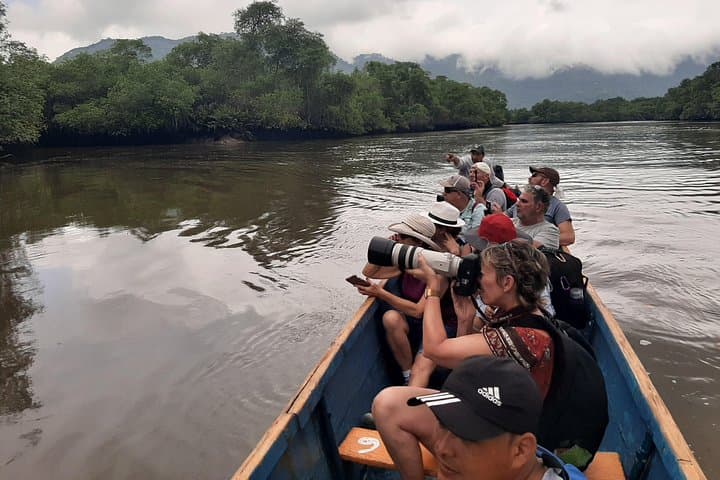
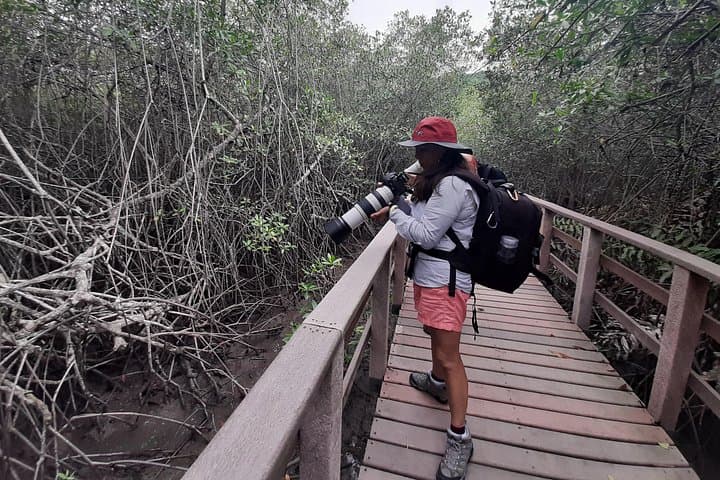
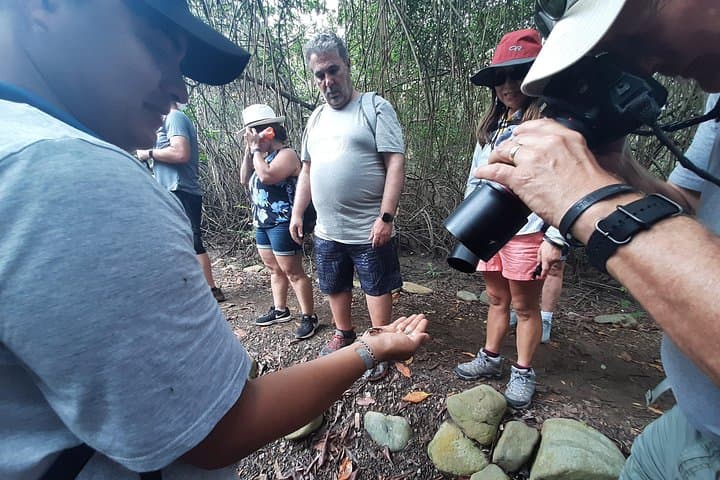
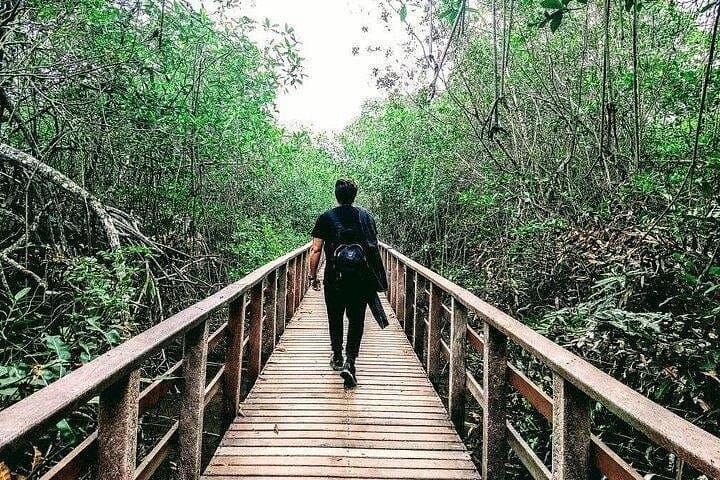
You step off the minivan and the air changes — salt and earth mix, and a mangrove channel calls you forward. A local guide leads the group to a narrow boat; the river takes you under a low canopy where fiddler crabs pat the mud and the water seems to push you deeper into the tangle of roots. Clouds move slow; birds mark the edges of the lagoon.
You step off the minivan and the air changes — salt and earth mix, and a mangrove channel calls you forward. A local guide leads the group to a narrow boat; the river takes you under a low canopy where fiddler crabs pat the mud and the water seems to push you deeper into the tangle of roots. Clouds move slow; birds mark the edges of the lagoon.
The Manglares de Churute was declared a Ramsar wetland in 1990 for its broad mix of freshwater lagoons, estuarine channels and dry forest. Geologically the reserve sits on coastal alluvium where sediment from inland rivers builds wide mangrove flats. Culturally the area is still worked by families who harvest crabs and tend small cacao plots; your visit often includes a stop at a working hacienda where the history of cacao processing is as practical as it is sensory. Expect a 40-minute walk through tropical dry forest to find howler monkeys and multiple freshwater birding spots, followed by a hands-on chocolate demonstration and lunch at the hacienda.
Practical guidance: the tour departs Guayaquil around 8:30 AM and runs about eight hours; terrain is flat but muddy in places, so waterproof shoes help. Bring insect repellent, sun protection and binoculars for birding; guides speak multiple languages and tours run in all weather, so dress in light, quick-dry layers. Respect fenced nesting areas and local livelihoods — stay on marked trails and avoid disturbing wildlife. This is an accessible, informative day that pairs coastal ecology with hands-on cacao culture.